
What are the technical specifications of a static pressure box?
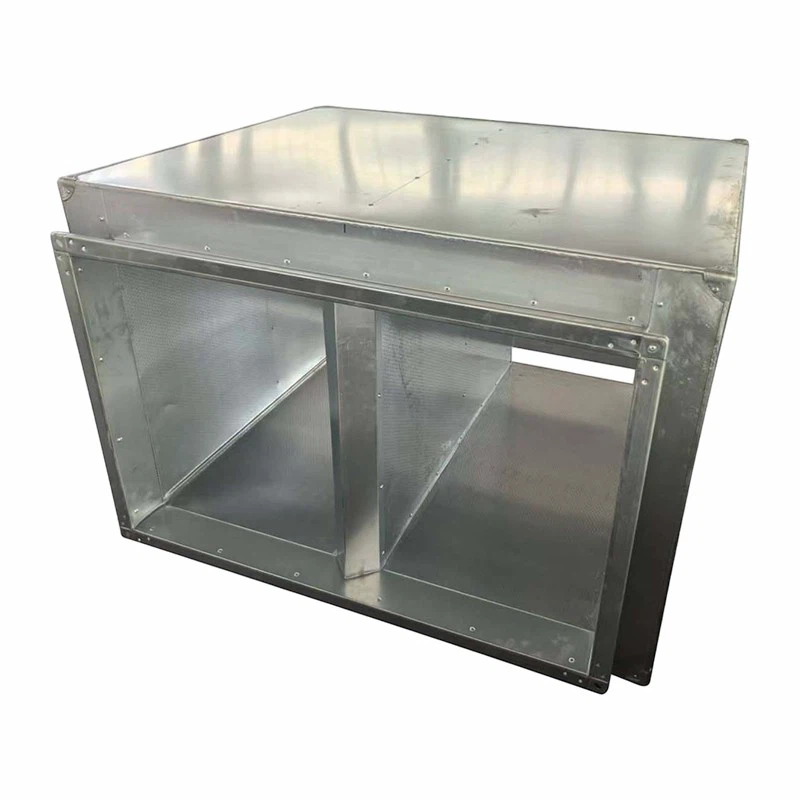
As a supplier of Static Pressure Boxes, I am often asked about the technical specifications of these essential components in HVAC systems. A static pressure box, also known as a plenum box, plays a crucial role in regulating air pressure and distribution within a ventilation system. In this blog post, I will delve into the key technical specifications of a static pressure box, providing you with a comprehensive understanding of its design and functionality.
Dimensions and Size
The dimensions of a static pressure box are determined by the specific requirements of the HVAC system. The size of the box is typically based on the airflow rate, the number of supply or return ducts, and the available space within the building. A larger static pressure box can accommodate higher airflow rates and reduce the velocity of the air, resulting in quieter operation and more uniform air distribution.
The length, width, and height of the static pressure box are carefully calculated to ensure optimal performance. The box should be large enough to allow for proper air mixing and distribution, but not so large that it becomes inefficient or takes up excessive space. In general, the length of the static pressure box should be at least three times the diameter of the largest duct connected to it.
Construction Materials
Static pressure boxes are typically constructed from a variety of materials, including galvanized steel, aluminum, and fiberglass. The choice of material depends on several factors, such as the application, the environment, and the budget.
Galvanized steel is a popular choice for static pressure boxes due to its durability, strength, and resistance to corrosion. It is also relatively inexpensive and easy to fabricate. Aluminum is another common material used in the construction of static pressure boxes. It is lightweight, corrosion-resistant, and has good thermal conductivity. Fiberglass is a lightweight and insulating material that is often used in applications where noise reduction is a priority.
Airflow and Pressure Ratings
The airflow and pressure ratings of a static pressure box are important specifications that determine its performance. The airflow rate is measured in cubic feet per minute (CFM) and represents the volume of air that can pass through the box. The pressure rating is measured in inches of water column (in. WC) and represents the amount of pressure required to move the air through the box.
The airflow and pressure ratings of a static pressure box are determined by several factors, including the size and shape of the box, the number and size of the ducts connected to it, and the type of HVAC system. It is important to select a static pressure box with the appropriate airflow and pressure ratings to ensure optimal performance and efficiency.
Noise Reduction
One of the key benefits of a static pressure box is its ability to reduce noise in an HVAC system. The box acts as a buffer between the supply or return ducts and the rest of the system, reducing the noise generated by the airflow. The noise reduction capabilities of a static pressure box are typically measured in decibels (dB) and are determined by several factors, including the size and shape of the box, the type of insulation used, and the airflow rate.
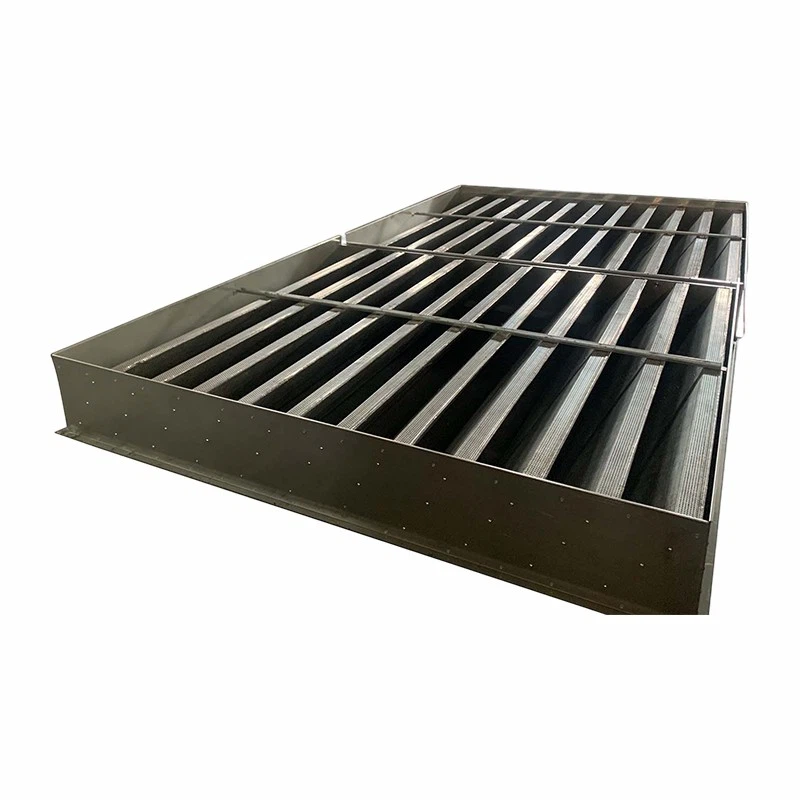
To further enhance the noise reduction capabilities of a static pressure box, additional soundproofing materials can be added, such as Plate Silencer or Noise Reducing Shades. These materials can help to absorb and dampen the sound waves, resulting in a quieter and more comfortable environment.
Air Distribution
Another important function of a static pressure box is to distribute the air evenly throughout the HVAC system. The box is designed to provide a uniform airflow to each of the supply or return ducts, ensuring that the air is distributed evenly to all areas of the building. This helps to improve the comfort and efficiency of the HVAC system.
The air distribution capabilities of a static pressure box are determined by several factors, including the size and shape of the box, the number and size of the ducts connected to it, and the type of diffusers or grilles used. It is important to select a static pressure box with the appropriate air distribution capabilities to ensure optimal performance and comfort.
Installation and Maintenance
Proper installation and maintenance are essential for the optimal performance of a static pressure box. The box should be installed by a qualified HVAC technician who has experience working with static pressure boxes. The technician will ensure that the box is installed correctly and that all of the connections are tight and secure.
Regular maintenance is also important to ensure the long-term performance of the static pressure box. The box should be inspected periodically to check for any signs of damage or wear. The filters should be replaced regularly to ensure that the air quality is maintained.
Conclusion
In conclusion, a static pressure box is an essential component in an HVAC system. It plays a crucial role in regulating air pressure and distribution, reducing noise, and improving the comfort and efficiency of the system. When selecting a static pressure box, it is important to consider the technical specifications, such as the dimensions, construction materials, airflow and pressure ratings, noise reduction capabilities, and air distribution capabilities.
If you are in the market for a Static Pressure Box, I invite you to contact us to discuss your specific requirements. Our team of experts can help you select the right static pressure box for your HVAC system and provide you with the support and guidance you need to ensure its optimal performance.
References
- ASHRAE Handbook - HVAC Systems and Equipment
- HVAC Systems Design Guide
- Static Pressure Box Manufacturer's Specifications