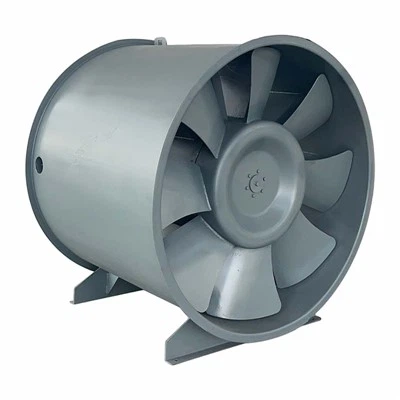

Hey there! As a supplier of axial flow roof fans, I know firsthand how important it is to keep the noise levels down. A noisy fan can be a real nuisance, not to mention a potential safety hazard. In this blog post, I'm going to share some tips on how to reduce the noise of an axial flow roof fan.

Understanding the Sources of Noise
Before we dive into the solutions, it's important to understand where the noise is coming from. There are several factors that can contribute to the noise of an axial flow roof fan, including:
- Blade design: The shape and size of the fan blades can have a significant impact on the noise level. Blades that are poorly designed or worn out can create more noise than well-designed blades.
- Motor type: The type of motor used in the fan can also affect the noise level. Some motors are designed to be quieter than others, so it's important to choose a motor that is appropriate for your needs.
- Installation: The way the fan is installed can also contribute to the noise level. If the fan is not installed correctly, it can vibrate and create more noise.
- Airflow: The amount of airflow through the fan can also affect the noise level. If the airflow is too high, it can create more noise than if the airflow is lower.
Tips for Reducing Noise
Now that we understand the sources of noise, let's take a look at some tips for reducing the noise of an axial flow roof fan.
1. Choose the Right Fan
The first step in reducing the noise of an axial flow roof fan is to choose the right fan for your needs. Look for a fan that is designed to be quiet, with features such as aerodynamic blades and a low-noise motor. You can also look for fans that are specifically designed for use in quiet environments, such as hospitals or libraries.
2. Install the Fan Correctly
The way the fan is installed can have a significant impact on the noise level. Make sure the fan is installed on a solid surface and that it is properly balanced. You can also use vibration isolation pads to reduce the amount of vibration and noise.
3. Use a Silencer
A silencer is a device that is designed to reduce the noise of a fan. There are several types of silencers available, including inline silencers and duct silencers. Inline silencers are installed directly in the ductwork, while duct silencers are installed at the end of the ductwork.
4. Maintain the Fan Regularly
Regular maintenance is essential for keeping the fan running smoothly and quietly. Make sure to clean the fan blades and motor regularly to remove any dirt or debris that could cause the fan to vibrate or make noise. You should also lubricate the motor and bearings as recommended by the manufacturer.
5. Adjust the Airflow
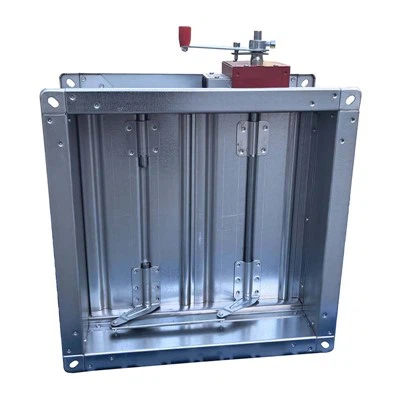
The amount of airflow through the fan can also affect the noise level. If the airflow is too high, it can create more noise than if the airflow is lower. You can adjust the airflow by changing the speed of the fan or by using a damper to control the amount of air that flows through the fan.
Other Considerations
In addition to the tips above, there are a few other things to consider when trying to reduce the noise of an axial flow roof fan.
1. Location
The location of the fan can also affect the noise level. If the fan is installed in a noisy environment, such as near a busy road or a factory, it may be more difficult to reduce the noise. You can try to install the fan in a quieter location, such as on the roof of a building or in a secluded area.
2. Soundproofing
Soundproofing is another option for reducing the noise of an axial flow roof fan. You can use soundproofing materials, such as acoustic panels or insulation, to reduce the amount of noise that is transmitted through the walls or ceiling.
3. Upgrading the Fan
If you have an older fan that is making a lot of noise, you may want to consider upgrading to a newer, quieter model. Newer fans are often designed with advanced features that can help to reduce the noise level, such as aerodynamic blades and low-noise motors.
Conclusion
Reducing the noise of an axial flow roof fan is an important step in creating a comfortable and safe environment. By following the tips above, you can reduce the noise level of your fan and enjoy a quieter, more peaceful space. If you have any questions or need more information, please don't hesitate to contact us. We're here to help you find the right solution for your needs.
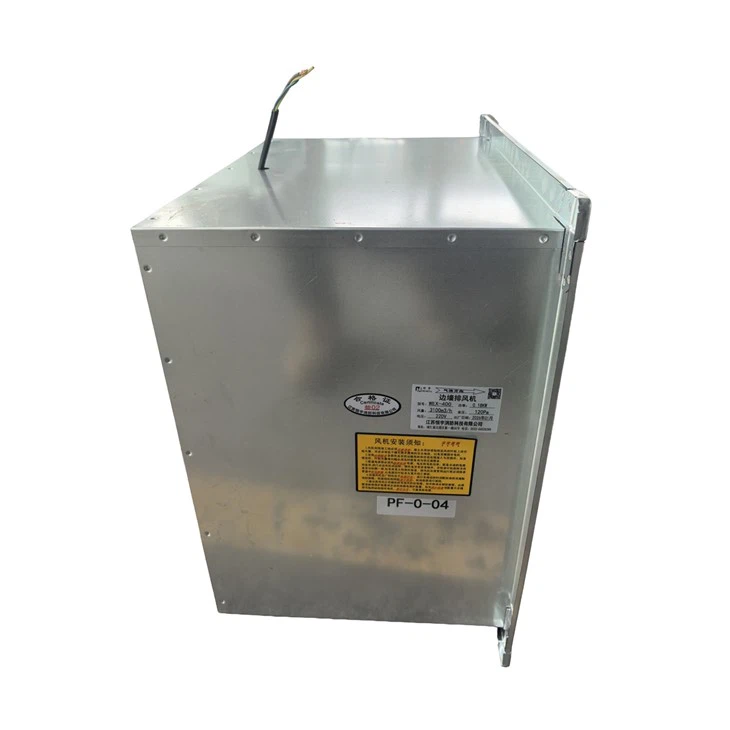
If you're in the market for a new axial flow roof fan, or if you're looking to upgrade your existing fan, we have a wide range of options to choose from. We also offer a variety of other types of fans, including Sidewall Exhaust, Explosion-proof Centrifugal Fan, and High Temp Duct Fan. Contact us today to learn more about our products and services, and to discuss your specific needs.
References
- ASHRAE Handbook - HVAC Systems and Equipment. American Society of Heating, Refrigerating and Air-Conditioning Engineers, Inc.
- Fan Engineering, 9th Edition. Buffalo Forge Company.
- Industrial Ventilation: A Manual of Recommended Practice. American Conference of Governmental Industrial Hygienists.