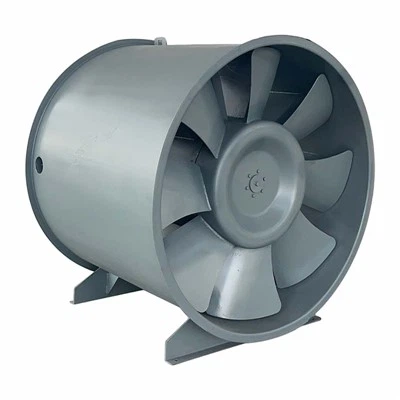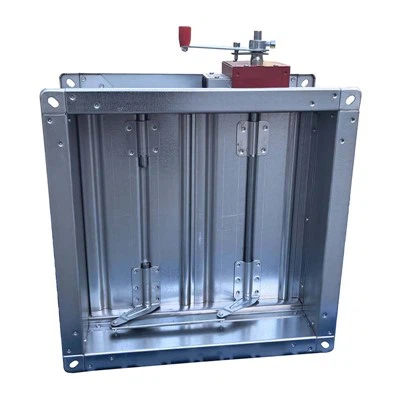

Hey there! As a supplier of High Velocity Outlets, I often get asked a bunch of questions. One that pops up quite a bit is, "Are high velocity outlets resistant to corrosion?" Well, let's dig into this topic and find out.
First off, what are high velocity outlets? They're essential components in ventilation systems. They help in moving air at a high speed, ensuring proper air circulation in various settings, whether it's a big industrial building or a small commercial space.
Now, corrosion is a real concern when it comes to any kind of metal equipment. It can weaken the structure, reduce its efficiency, and even lead to costly repairs or replacements. So, are high velocity outlets resistant to it?
The answer isn't a simple yes or no. It depends on a few factors. The material of the high velocity outlet plays a huge role. Most high velocity outlets are made from metals like stainless steel, aluminum, or galvanized steel.
Stainless steel is known for its excellent corrosion resistance. It contains chromium, which forms a thin, protective layer on the surface. This layer prevents oxygen and moisture from reaching the metal underneath, thus reducing the chances of corrosion. If you're in an environment where there's a lot of moisture or chemicals in the air, a stainless - steel high velocity outlet is a great choice.
Aluminum is another popular material. It's lightweight and has a natural oxide layer that provides some level of corrosion resistance. However, it's not as resistant as stainless steel in harsh environments. But for normal, dry indoor settings, an aluminum high velocity outlet can work just fine.
Galvanized steel is steel that has been coated with a layer of zinc. The zinc acts as a sacrificial anode, which means it corrodes first before the steel does. This gives the high velocity outlet a decent level of corrosion protection. But over time, especially in very corrosive environments, the zinc coating can wear off, and then the steel may start to corrode.
The environment where the high velocity outlet is installed also matters a lot. If it's in a coastal area, where the air is salty, corrosion is more likely to occur. Salt in the air can accelerate the corrosion process, even for materials that are generally corrosion - resistant. Similarly, in industrial areas with high levels of pollutants or chemicals in the air, corrosion can be a major issue.

On the other hand, if the high velocity outlet is installed in a clean, dry indoor environment, the risk of corrosion is much lower. In such cases, even materials with moderate corrosion resistance can last a long time.
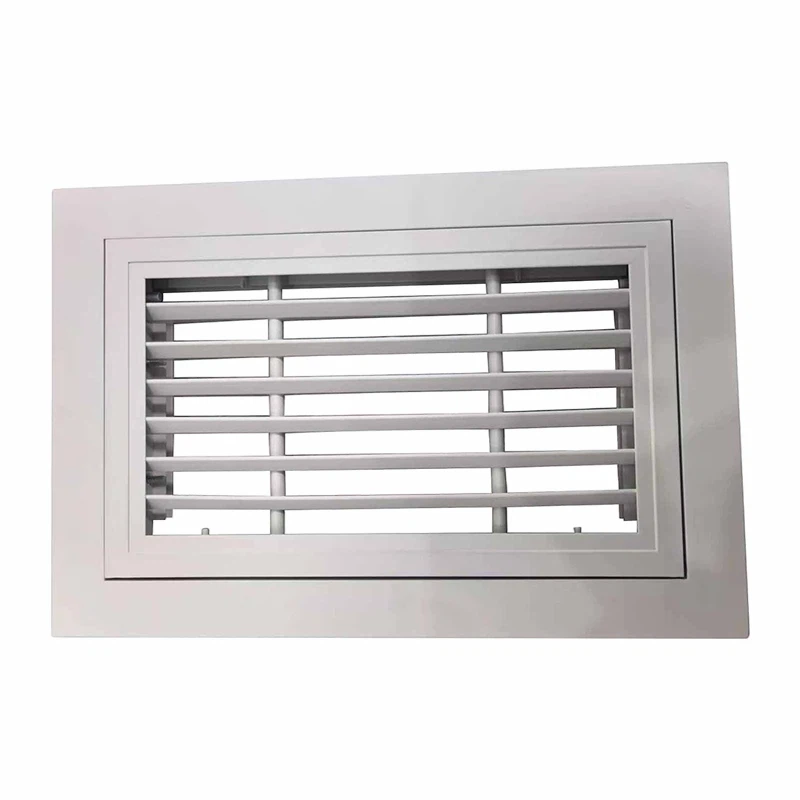
Now, let's talk about some of the products we offer. We have a great range of high velocity outlets, including Louvered Intake Vent. These vents are designed to allow air to enter the system while keeping out unwanted debris. They're made from high - quality materials that offer good corrosion resistance.
Another product is the Spherical Nozzle. These nozzles are used to direct the high - velocity air in a specific direction. They're built to withstand the high - speed airflow and are also resistant to corrosion to a certain extent.
We also have the Intake Louver Vent. These vents are great for controlling the amount of air entering the system. They're made with corrosion - resistant materials to ensure a long lifespan.
To enhance the corrosion resistance of high velocity outlets, there are a few things you can do. Regular maintenance is key. This includes cleaning the outlets to remove any dirt, dust, or debris that could trap moisture and cause corrosion. You can also apply a protective coating to the outlets. There are various types of coatings available in the market that can provide an extra layer of protection against corrosion.
In conclusion, while high velocity outlets can be resistant to corrosion, it depends on the material, the environment, and the maintenance. If you choose the right material for your specific environment and take proper care of the outlets, you can expect them to last a long time without significant corrosion issues.
If you're in the market for high velocity outlets and want to discuss your specific needs, don't hesitate to reach out. We're here to help you find the best solution for your ventilation system. Whether it's for a new installation or a replacement, we've got you covered.
References
- "Corrosion Resistance of Metals in Different Environments" - A research paper on metal corrosion.
- "Ventilation System Components and Their Durability" - An industry report on ventilation equipment.