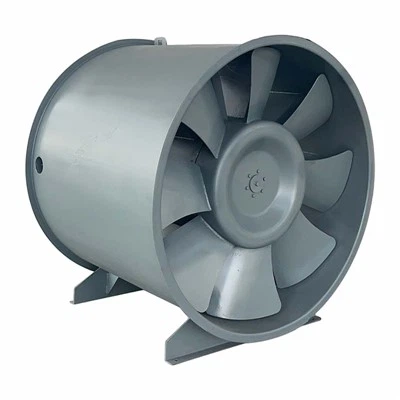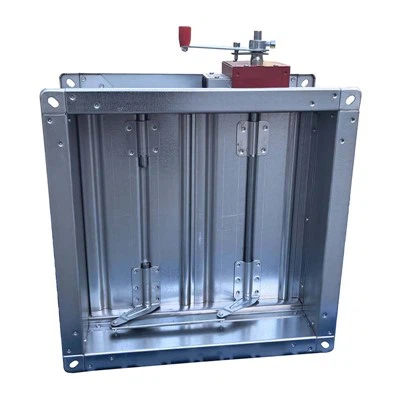

Yo, I'm a supplier of High Velocity Outlets. I've been in this business for quite a while, and through my experience, I've come to realize that while these outlets have some great features, they also come with their own set of limitations. In this blog, I'll share with you what I've learned about the limitations of high velocity outlets.
Noise Issues
One of the most obvious limitations of high velocity outlets is the noise they generate. When air is forced out at high speeds, it creates a significant amount of turbulence, which in turn produces noise. This can be a real problem, especially in environments where quiet is crucial, like libraries, hospitals, or bedrooms.
Imagine you're trying to get a good night's sleep, but the constant whooshing sound from the high velocity outlet is keeping you awake. It can be incredibly annoying and even affect your overall well - being. Even in commercial settings like offices, excessive noise can be a distraction, reducing productivity.
Some manufacturers try to address this issue by adding noise - dampening materials. However, this often adds to the cost of the high velocity outlet. And in some cases, these materials may not be enough to completely eliminate the noise, especially if the outlet is operating at full capacity.
High Energy Consumption
Another major limitation is the high energy consumption. High velocity outlets need powerful fans or blowers to push the air out at high speeds. These motors consume a large amount of electricity, which can lead to higher energy bills for the end - users.
Let's say you're running a large building with multiple high velocity outlets. The energy cost to keep all of them running can quickly add up. In today's world, where energy efficiency is a top priority, this can be a deal - breaker for many customers. Moreover, high energy consumption also has an environmental impact, as it means more fossil fuels are burned to generate the necessary electricity.
There are some energy - efficient models available in the market. But these usually come with a higher upfront cost, which may not be affordable for all consumers. So, the choice between high - energy - consuming but cheaper models and energy - efficient but more expensive ones can be a tough one.
Uneven Air Distribution
High velocity outlets can sometimes result in uneven air distribution. Since the air is ejected at high speeds, it tends to travel in a straight line for a certain distance. This can lead to areas in a room getting too much air, while other areas receive very little.
For example, in a large hall, the areas directly in front of the high velocity outlet may be overly cooled or heated, while the corners or far - off sections may remain unaffected. This can create discomfort for the people in the room, as there will be significant temperature differences from one area to another.
To overcome this problem, proper placement of the high velocity outlets is crucial. But even with careful planning, it can be challenging to achieve perfectly even air distribution. In some cases, additional ventilation equipment may be required, which again adds to the cost.
Maintenance Challenges
Maintaining high velocity outlets can be quite a challenge. The high - speed operation means that the components of the outlet, such as the fans and motors, are under a lot of stress. This can lead to more frequent wear and tear.
The fans are exposed to dust and debris in the air, which can accumulate over time and affect their performance. If the accumulation is not cleaned regularly, it can even cause the motor to overheat, leading to a breakdown. And when a high velocity outlet breaks down, it can be expensive to repair.
The parts for these outlets are often specialized and may not be readily available. This can result in long downtime, especially if the supplier has to order the parts from another location. And during this downtime, the affected area may become uncomfortable, which is a big problem for both residential and commercial users.
Limited Compatibility
High velocity outlets may have limited compatibility with certain HVAC systems. Not all HVAC systems are designed to work with high - speed airflows. If you try to connect a high velocity outlet to an incompatible HVAC system, it can cause problems such as reduced efficiency or even damage to the system.
For example, some older HVAC systems may not be able to handle the high pressure generated by high velocity outlets. This can lead to issues like leaks in the ductwork or a decrease in the overall performance of the HVAC system.
Before installing a high velocity outlet, it's essential to ensure that it is compatible with your existing HVAC system. This may require the expertise of a professional HVAC technician, which adds to the cost and complexity of the installation process.
Cost Considerations
As I've mentioned earlier, high velocity outlets can be quite expensive. The initial purchase cost is often higher compared to traditional outlets. This is because of the advanced technology and components required to achieve high - speed airflows.
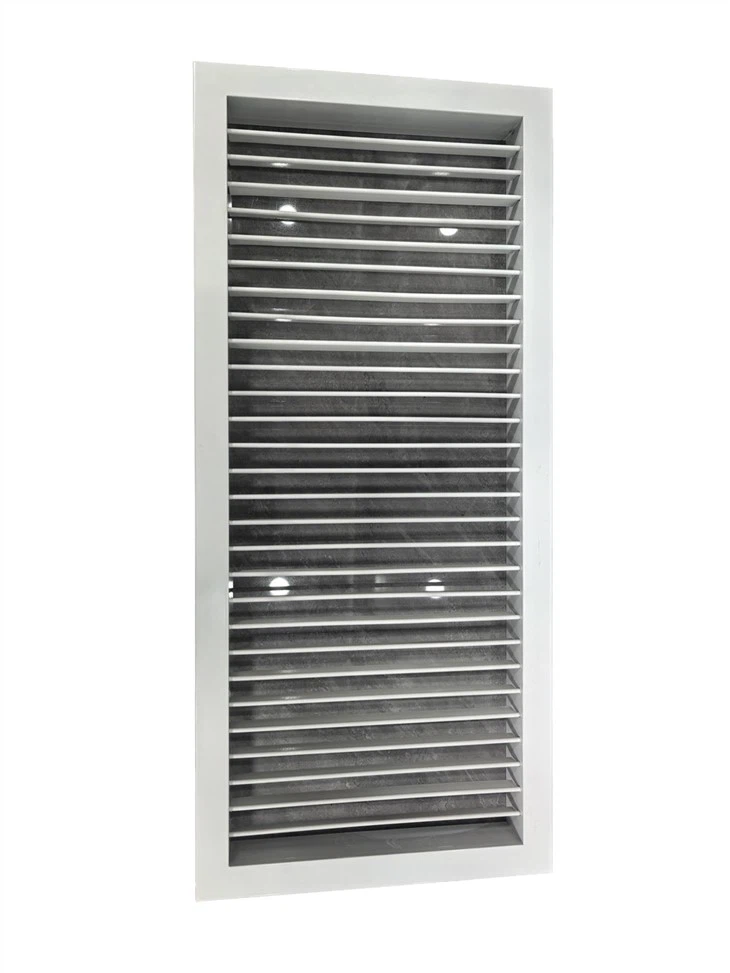

In addition to the purchase cost, there are also installation costs. Since high velocity outlets require careful placement and may need additional support equipment, the installation process can be more complex and costly. And as we've already discussed, the maintenance and energy costs associated with these outlets are also relatively high.
All these cost factors can make high velocity outlets a less attractive option for budget - conscious consumers. Even though they offer some benefits in terms of faster air circulation, the high costs can outweigh these advantages for many people.
Solutions and Alternatives
Despite these limitations, there are some solutions and alternatives available. For the noise issue, you can consider using Adjustable Louvre Vent or Louvered Intake Vent. These types of vents can help to direct the air more smoothly and reduce turbulence, thus reducing the noise level.
In terms of energy consumption, you can look for high velocity outlets with energy - saving features. Some models are designed to adjust the airflow based on the temperature and occupancy of the room, which can lead to significant energy savings.
If uneven air distribution is a problem, you can use multiple high velocity outlets strategically placed around the room. You can also combine them with other types of ventilation systems to achieve more even air distribution.
For maintenance, regular cleaning and inspection can help to prevent major problems. And make sure to choose a reliable supplier who can provide timely support and replacement parts.
If cost is a concern, you can compare different models and suppliers to find the best deal. Sometimes, waiting for a sale or promotion can also help you save money.
Conclusion
In conclusion, while high velocity outlets have their advantages, such as fast air circulation and better ventilation in some cases, they also come with several limitations. Noise, high energy consumption, uneven air distribution, maintenance challenges, limited compatibility, and high costs are some of the main issues that users may face.
However, with proper planning, the right choice of equipment, and regular maintenance, many of these limitations can be mitigated. If you're considering purchasing high velocity outlets, I recommend that you carefully weigh the pros and cons. And if you have any questions or need more information, feel free to reach out. I'm here to help you make the best decision for your needs. You can check out our High Velocity Outlet products for more details. If you're interested in purchasing, don't hesitate to contact me for a procurement discussion.
References
- HVAC System Design Handbook
- Ventilation and Air Conditioning Technology Textbooks