
Teaching the word "fan" to English learners can be an engaging and multi - faceted process. As a fan supplier, I have a unique perspective on how to effectively teach this word in various contexts.
1. Basic Definition and Introduction
To start with, the most common meaning of "fan" that English learners are likely to encounter first is a device that creates a current of air. We can begin by showing a simple picture of a table fan or a ceiling fan. For example, we can say, "Look at this. This is a fan. It helps us feel cool when it's hot." We can also demonstrate the function of a fan by turning one on in the classroom. This hands - on approach makes the concept more tangible for learners.
Another important meaning of "fan" is a person who has a strong interest in someone or something, like a sports fan or a music fan. We can use real - life examples to explain this. For instance, "Many people are fans of LeBron James. They go to his games and buy his jerseys."
2. Vocabulary Expansion
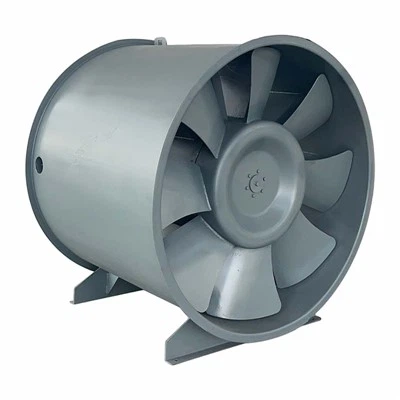
Once learners understand the basic meanings of "fan", we can expand their vocabulary related to fans. For the device meaning, we can introduce different types of fans. For example, we can mention Explosion - proof Centrifugal Fan. We can explain that this type of fan is designed for special environments where there is a risk of explosion, like in some chemical factories.
We can also talk about Axial Flow Roof Fan. This fan is often used on the roofs of buildings to exhaust hot air or remove odors. By introducing these specialized fans, learners not only learn new words but also gain knowledge about different applications of fans.
When it comes to the "person who is interested" meaning, we can teach related words such as "fanatic" which is an extreme fan. For example, "Some football fanatics travel all over the world to watch their favorite teams play."
3. Contextual Usage
Teaching the word "fan" in context is crucial for learners to understand its proper usage. In daily conversations, we can create scenarios. For example, "It's so hot today. I'm going to turn on the fan." Or "Are you a fan of horror movies?"
We can also use fan - related products in role - plays. For instance, a learner can act as a customer in a store and ask about different types of fans. The dialogue could be like this:
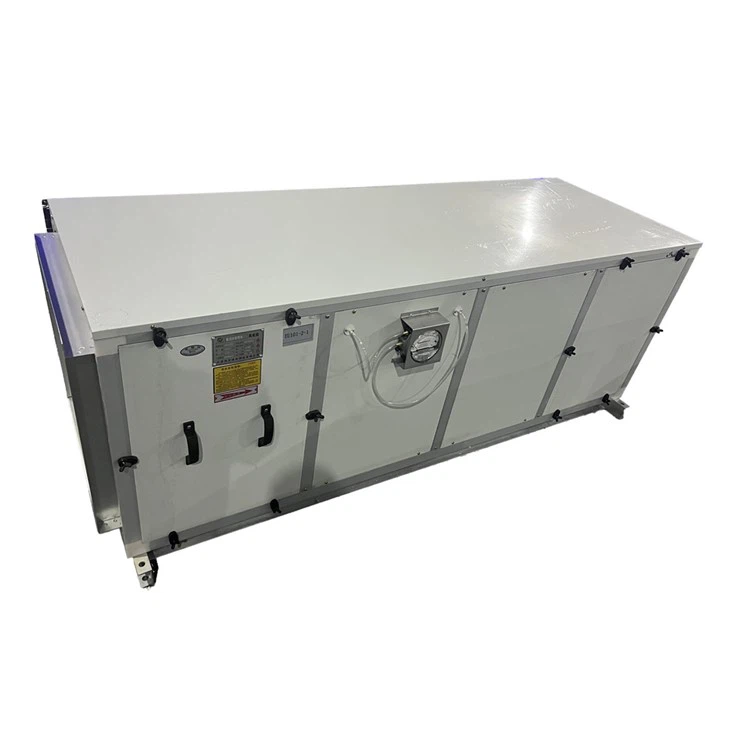
Customer: "Do you have any Airborne Dust Collector?"
Shopkeeper: "Yes, we do. It's very effective in collecting dust in the air."

In written contexts, we can provide short passages about fans. For example, "The factory installed several explosion - proof centrifugal fans to ensure safety. These fans are designed to work in harsh environments."
4. Cultural Aspects
In English - speaking cultures, the concept of a "fan" has a significant place. In the United States, for example, sports fans are extremely passionate. There are huge stadiums filled with fans cheering for their teams. We can show videos of sports events to help learners understand the enthusiasm of fans.
Music fans also play an important role. Concerts are big events where fans gather to see their favorite musicians. We can talk about famous music festivals like Coachella, where thousands of fans come together.
5. Teaching Methods
- Visual Aids: As mentioned before, using pictures and videos of fans is a great way to teach the word. We can also use 3D models or physical samples if possible.
- Group Activities: Divide learners into groups and have them discuss their favorite types of fans (either the device or as a person). They can share their experiences, like stories about going to a concert as a music fan or using a particular type of fan at home.
- Games: We can play word games. For example, a "fan - related word bingo" where learners have to mark words like "ceiling fan", "fanatic", "axial flow fan" on their bingo cards when they hear them.
6. Assessment
To assess learners' understanding of the word "fan", we can use different methods.
- Written Tests: Include multiple - choice questions about the different meanings of "fan" and its related words. For example, "What does 'fanatic' mean? A. A normal fan B. An extreme fan C. A type of fan device".
- Oral Presentations: Ask learners to give a short presentation about a type of fan they are interested in or about being a fan of something.
- Role - play Evaluation: Evaluate how well learners can use the word "fan" in role - plays.
7. Encouraging Further Learning
After learners have a basic understanding of the word "fan", we can encourage them to explore more. They can research different types of fans on the internet, read articles about fan - related industries, or even interview fans in real life.
As a fan supplier, I am always open to help English learners who are interested in the world of fans. Whether you are a teacher looking for more teaching materials or a learner wanting to know more about fans, I can provide valuable information. If you are interested in purchasing fans for various applications, I would be more than happy to have a discussion with you. You can reach out to me to start a procurement negotiation and find the most suitable fans for your needs.
References
- Brown, H. D. (2007). Principles of language learning and teaching. Pearson Education.
- Nation, I. S. P. (2001). Learning vocabulary in another language. Cambridge University Press.