
Ensuring the safety of control cabinet AC units during operation is of paramount importance for both the longevity of the equipment and the safety of the surrounding environment. As a supplier of Control Cabinet AC Units, I understand the significance of this issue and am committed to providing solutions to guarantee safe operation.
Understanding the Risks
Before delving into safety measures, it's crucial to understand the potential risks associated with control cabinet AC units. Electrical malfunctions, overheating, refrigerant leaks, and mechanical failures are some of the common issues that can pose safety hazards. Electrical malfunctions can lead to short - circuits, which may cause fires or electrical shocks. Overheating can damage the internal components of the unit and reduce its efficiency. Refrigerant leaks not only harm the environment but can also be toxic if inhaled. Mechanical failures, such as a malfunctioning fan or compressor, can disrupt the normal operation of the unit and potentially cause further damage.
Installation and Placement
Proper installation and placement of control cabinet AC units are the first steps in ensuring their safety. The unit should be installed by a qualified technician who follows the manufacturer's instructions. The installation site should be well - ventilated to prevent overheating. It should also be away from sources of heat, moisture, and flammable materials. For example, placing the unit near a furnace or a boiler can increase the risk of overheating. Additionally, the unit should be mounted on a stable surface to prevent vibrations that could lead to mechanical failures.
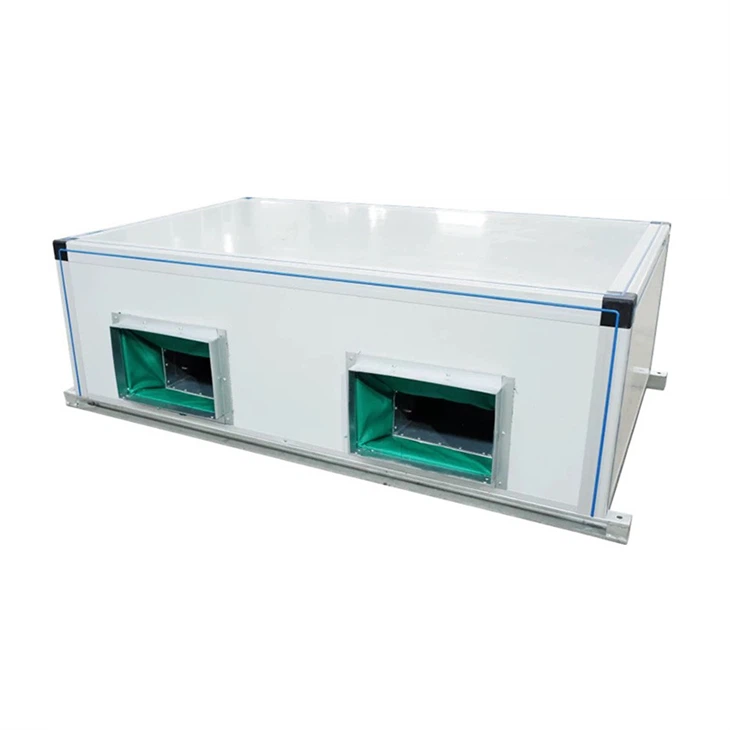
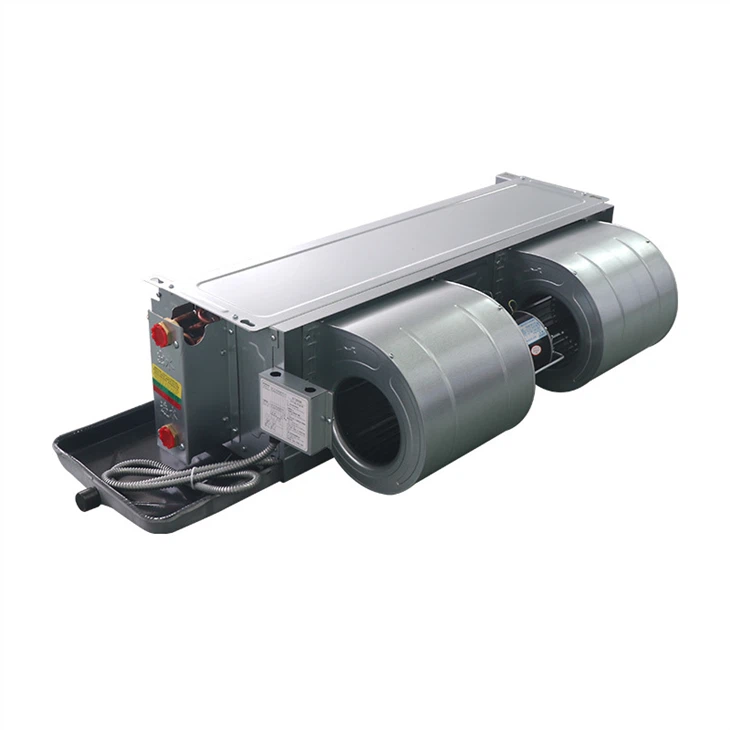
When installing the unit, it's important to ensure that all electrical connections are secure. Loose connections can cause electrical arcing, which is a major fire hazard. The wiring should be properly sized to handle the electrical load of the unit. Using undersized wiring can lead to overheating and potential electrical failures.
Regular Maintenance
Regular maintenance is essential for the safe operation of control cabinet AC units. A maintenance schedule should be established and followed strictly. This includes tasks such as cleaning the filters, checking the refrigerant levels, inspecting the electrical components, and lubricating the moving parts.
Cleaning the filters regularly is crucial as dirty filters can restrict airflow, causing the unit to overheat. Filters should be cleaned or replaced according to the manufacturer's recommendations. Checking the refrigerant levels is also important. Low refrigerant levels can indicate a leak, which needs to be repaired immediately. A refrigerant leak not only affects the performance of the unit but can also be harmful to the environment and human health.
Inspecting the electrical components, such as the wiring, switches, and relays, can help detect any potential electrical problems. Loose connections, frayed wires, or damaged components should be repaired or replaced promptly. Lubricating the moving parts, such as the fan motor and the compressor, can reduce friction and prevent premature wear and tear.
Monitoring and Control Systems
Implementing monitoring and control systems can significantly enhance the safety of control cabinet AC units. These systems can continuously monitor the temperature, pressure, and other operating parameters of the unit. If any parameter goes out of the normal range, an alarm can be triggered, alerting the operator to take appropriate action.
For example, a temperature monitoring system can detect if the unit is overheating. If the temperature exceeds a preset limit, the system can automatically shut down the unit to prevent damage. Pressure sensors can detect refrigerant leaks or abnormal pressure levels in the system. By monitoring these parameters in real - time, potential problems can be identified and addressed before they escalate.
Training and Education
Proper training and education for the operators and maintenance personnel are vital for ensuring the safety of control cabinet AC units. Operators should be trained on how to operate the unit correctly, including starting, stopping, and adjusting the settings. They should also be aware of the safety procedures in case of an emergency, such as a fire or a refrigerant leak.
Maintenance personnel should receive comprehensive training on the maintenance and repair of the unit. They should be familiar with the internal components of the unit, the troubleshooting procedures, and the safety precautions to take when working on the unit. Regular training sessions should be conducted to keep the operators and maintenance personnel updated on the latest safety standards and best practices.
Use of High - Quality Components
As a supplier of Control Cabinet AC Units, we understand the importance of using high - quality components in our products. High - quality components are more reliable and less likely to fail, reducing the risk of safety hazards. For example, using a high - quality compressor can ensure the efficient and reliable operation of the unit. Similarly, using high - quality electrical components can reduce the risk of electrical malfunctions.
We also ensure that our products are designed to meet the relevant safety standards and regulations. This includes standards for electrical safety, refrigerant handling, and environmental protection. By adhering to these standards, we can provide our customers with safe and reliable control cabinet AC units.
Safety in Different Types of AC Units
There are different types of control cabinet AC units available in the market, such as Combined Heating and Air Conditioning Systems, Water Source Fan Coil Unit, and Remote Jet Air Conditioning Unit. Each type has its own unique safety considerations.
Combined heating and air conditioning systems require special attention to the interaction between the heating and cooling functions. Improper operation or maintenance can lead to issues such as overheating or inadequate cooling. Water source fan coil units need to be carefully monitored for water leaks, which can cause damage to the unit and the surrounding area. Remote jet air conditioning units, on the other hand, may require additional safety measures to ensure proper ventilation and to prevent the spread of contaminants.
Conclusion
Ensuring the safety of control cabinet AC units during operation is a multi - faceted process that involves proper installation, regular maintenance, monitoring and control systems, training, and the use of high - quality components. As a supplier of Control Cabinet AC Units, we are dedicated to providing our customers with products that meet the highest safety standards.
If you are interested in purchasing control cabinet AC units or have any questions about their safety and operation, we encourage you to contact us for further discussion. Our team of experts is ready to assist you in finding the right solution for your needs.
References
- ASHRAE Handbook - HVAC Systems and Equipment.
- National Electrical Code (NEC).
- Safety standards for air - conditioning and refrigeration equipment.