
As a supplier of Axial Flow Extractor Fans, I often encounter inquiries from customers about the differences between standard and explosion-proof axial flow extractor fans. In this blog post, I will delve into the key distinctions between these two types of fans, helping you make an informed decision when choosing the right fan for your specific needs.
Design and Construction
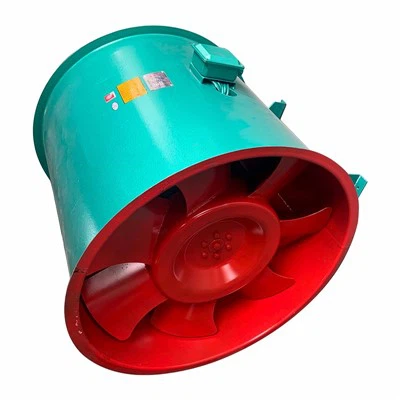
The most obvious difference between a standard and an explosion-proof axial flow extractor fan lies in their design and construction. A standard axial flow extractor fan is designed for general ventilation purposes in non-hazardous environments. It typically consists of a motor, blades, and a housing. The motor drives the blades to create airflow, which is then expelled through the housing.
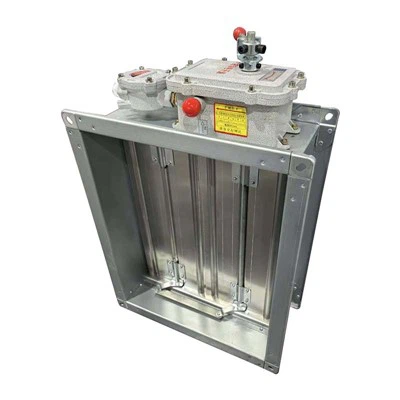
On the other hand, an explosion-proof axial flow extractor fan is specifically designed for use in hazardous environments where there is a risk of explosion. These fans are constructed with special materials and features to prevent the ignition of flammable gases, vapors, or dust. For example, the motor and electrical components of an explosion-proof fan are enclosed in a flameproof enclosure, which is designed to contain any internal explosion and prevent it from spreading to the surrounding environment.
Safety Features
Safety is the primary concern when it comes to explosion-proof axial flow extractor fans. These fans are equipped with a range of safety features to ensure the protection of personnel and property in hazardous environments. Some of the key safety features of explosion-proof fans include:


- Flameproof Enclosure: As mentioned earlier, the motor and electrical components of an explosion-proof fan are enclosed in a flameproof enclosure. This enclosure is designed to withstand the pressure and temperature of an internal explosion without allowing the flame or hot gases to escape.
- Spark-resistant Materials: Explosion-proof fans are made from spark-resistant materials to prevent the ignition of flammable gases or vapors. These materials include stainless steel, aluminum, and other non-sparking metals.
- Grounding: Proper grounding is essential for explosion-proof fans to prevent the buildup of static electricity, which can cause sparks and ignite flammable substances. All explosion-proof fans are equipped with grounding provisions to ensure safe operation.
- Certification: Explosion-proof fans are required to meet strict safety standards and regulations. They are typically certified by independent testing laboratories, such as UL (Underwriters Laboratories) or ATEX (Atmosphères Explosibles), to ensure compliance with these standards.
Performance and Efficiency
In addition to safety, performance and efficiency are also important factors to consider when choosing an axial flow extractor fan. While both standard and explosion-proof fans are designed to provide efficient ventilation, there may be some differences in their performance characteristics.
Standard axial flow extractor fans are generally more efficient in terms of airflow and energy consumption. They are designed to provide high-volume airflow at a relatively low pressure, making them suitable for general ventilation applications. However, they may not be suitable for use in hazardous environments where there is a risk of explosion.
Explosion-proof axial flow extractor fans, on the other hand, are designed to provide reliable ventilation in hazardous environments. They are typically less efficient than standard fans in terms of airflow and energy consumption, but they offer the necessary safety features to prevent explosions.
Applications
The choice between a standard and an explosion-proof axial flow extractor fan depends on the specific application and the environment in which the fan will be used. Here are some common applications for each type of fan:
- Standard Axial Flow Extractor Fans: These fans are commonly used in non-hazardous environments, such as commercial buildings, warehouses, and industrial facilities. They are suitable for general ventilation, exhaust, and cooling applications.
- Explosion-proof Axial Flow Extractor Fans: These fans are specifically designed for use in hazardous environments, such as chemical plants, oil refineries, and mines. They are used to ventilate areas where there is a risk of explosion due to the presence of flammable gases, vapors, or dust.
Conclusion
In conclusion, the main difference between a standard and an explosion-proof axial flow extractor fan lies in their design, safety features, performance, and applications. Standard fans are suitable for general ventilation in non-hazardous environments, while explosion-proof fans are designed for use in hazardous environments where there is a risk of explosion.
When choosing an axial flow extractor fan, it is important to consider the specific requirements of your application and the environment in which the fan will be used. If you are unsure which type of fan is right for your needs, please feel free to contact us for more information. We are a leading supplier of Axial Flow Extractor Fans, and we can help you select the right fan for your specific requirements.
If you are interested in our products, you can explore our other related products such as High Temp Duct Fan, Explosion-proof Centrifugal Fan, and Airborne Dust Collector.
We are always ready to assist you with your procurement needs. If you have any questions or would like to discuss your requirements further, please don't hesitate to reach out to us. We look forward to the opportunity to work with you and provide you with high-quality axial flow extractor fans that meet your needs.
References
- NFPA 70: National Electrical Code
- UL 1015: Standard for Safety for Electric Fans
- ATEX Directive 2014/34/EU: Equipment and protective systems intended for use in potentially explosive atmospheres