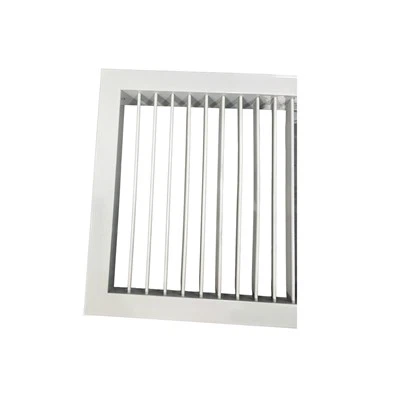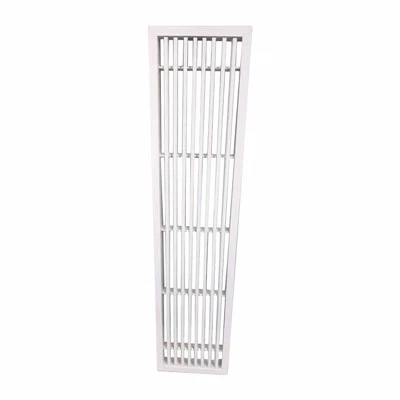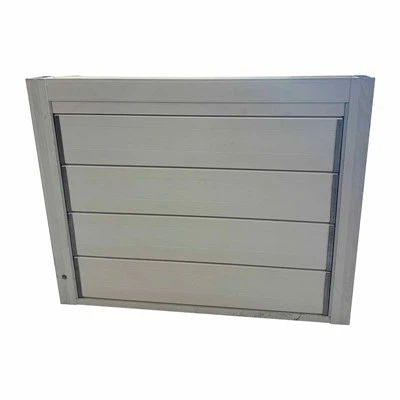

As a provider of Plate Silencers, I understand the importance of optimizing their design to meet the diverse needs of our customers. In this blog post, I will share some key strategies and considerations for optimizing the design of a Plate Silencer.
Understanding the Basics of Plate Silencers
Before delving into optimization strategies, it's essential to have a clear understanding of what a Plate Silencer is and how it works. A Plate Silencer is a type of acoustic device used to reduce noise in ventilation and air conditioning systems. It consists of a series of parallel plates or baffles that are designed to absorb and dissipate sound energy as air passes through them.
The effectiveness of a Plate Silencer depends on several factors, including the design of the plates, the material used, and the airflow rate. By optimizing these factors, we can improve the performance of the silencer and achieve better noise reduction.
Key Design Considerations
Plate Geometry
The geometry of the plates plays a crucial role in the performance of a Plate Silencer. The shape, size, and spacing of the plates can significantly affect the sound absorption and airflow characteristics of the silencer.
- Shape: The shape of the plates can be rectangular, triangular, or curved. Each shape has its own advantages and disadvantages in terms of sound absorption and airflow. For example, rectangular plates are easy to manufacture and provide good sound absorption, while curved plates can reduce airflow resistance and improve the overall efficiency of the silencer.
- Size: The size of the plates also affects the performance of the silencer. Larger plates generally provide better sound absorption, but they can also increase the airflow resistance. Therefore, it's important to find the right balance between the size of the plates and the airflow requirements of the system.
- Spacing: The spacing between the plates is another important factor to consider. If the plates are too close together, the airflow will be restricted, and the sound absorption performance may be reduced. On the other hand, if the plates are too far apart, the sound absorption will be less effective. Therefore, it's important to optimize the spacing between the plates to achieve the best performance.
Material Selection
The material used in the construction of a Plate Silencer can also have a significant impact on its performance. Different materials have different sound absorption properties, and the choice of material will depend on the specific requirements of the application.
- Acoustic Materials: Acoustic materials such as fiberglass, mineral wool, and foam are commonly used in the construction of Plate Silencers. These materials have high sound absorption coefficients and can effectively reduce noise levels. However, they may also have some drawbacks, such as being flammable or prone to moisture damage.
- Metallic Materials: Metallic materials such as steel and aluminum are also used in the construction of Plate Silencers. These materials are strong and durable, but they may have lower sound absorption coefficients compared to acoustic materials. Therefore, they are often used in combination with acoustic materials to achieve the best performance.
Airflow Considerations
The airflow rate and direction can also affect the performance of a Plate Silencer. It's important to design the silencer to minimize airflow resistance and ensure that the air can flow smoothly through the silencer.
- Airflow Rate: The airflow rate is an important factor to consider when designing a Plate Silencer. If the airflow rate is too high, the silencer may not be able to effectively reduce noise levels. On the other hand, if the airflow rate is too low, the system may not be able to meet the ventilation requirements. Therefore, it's important to optimize the airflow rate to achieve the best performance.
- Airflow Direction: The airflow direction can also affect the performance of a Plate Silencer. It's important to design the silencer to ensure that the air flows through the plates in a uniform and consistent manner. This can help to improve the sound absorption performance and reduce the airflow resistance.
Optimization Strategies
Computational Fluid Dynamics (CFD) Analysis
Computational Fluid Dynamics (CFD) analysis is a powerful tool that can be used to optimize the design of a Plate Silencer. CFD analysis allows us to simulate the airflow and sound propagation through the silencer and evaluate the performance of different design options.
- Flow Simulation: CFD analysis can be used to simulate the airflow through the silencer and evaluate the airflow resistance and pressure drop. This can help us to optimize the design of the plates and the spacing between them to minimize the airflow resistance and improve the overall efficiency of the silencer.
- Sound Propagation Simulation: CFD analysis can also be used to simulate the sound propagation through the silencer and evaluate the sound absorption performance. This can help us to optimize the design of the plates and the material selection to achieve the best sound absorption performance.
Experimental Testing
Experimental testing is another important strategy for optimizing the design of a Plate Silencer. Experimental testing allows us to measure the performance of the silencer under real-world conditions and validate the results of the CFD analysis.
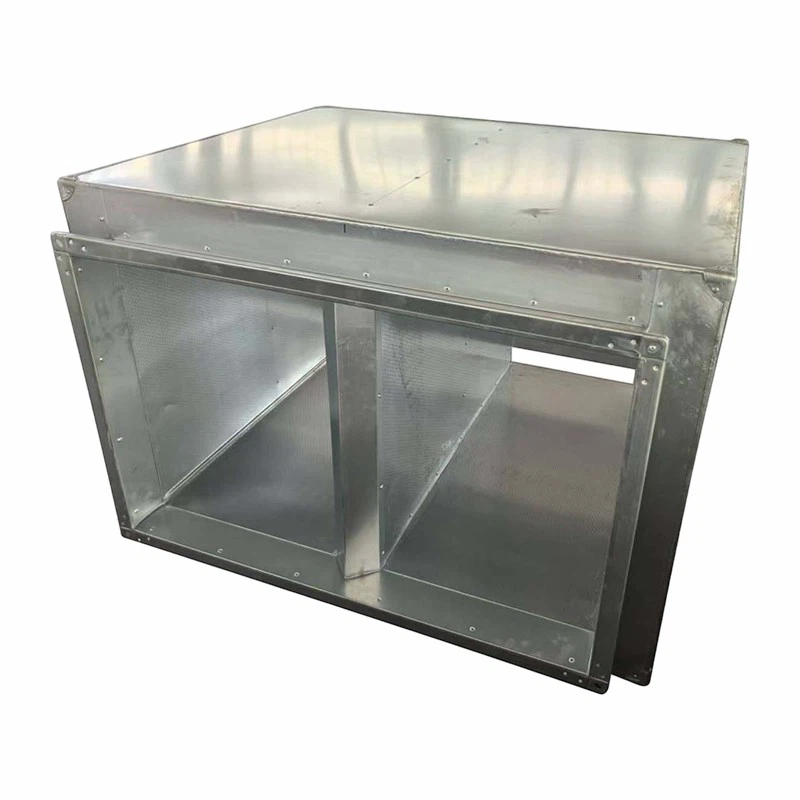

- Acoustic Testing: Acoustic testing can be used to measure the sound absorption performance of the silencer. This can help us to evaluate the effectiveness of different design options and optimize the design of the silencer to achieve the best sound absorption performance.
- Flow Testing: Flow testing can be used to measure the airflow resistance and pressure drop of the silencer. This can help us to evaluate the efficiency of the silencer and optimize the design of the plates and the spacing between them to minimize the airflow resistance and improve the overall efficiency of the silencer.
Integration with Other Components
In addition to optimizing the design of the Plate Silencer itself, it's also important to consider its integration with other components in the ventilation and air conditioning system. For example, the Plate Silencer may need to be integrated with a Static Pressure Box or a Silencer Elbow to achieve the best performance.
- Static Pressure Box: A Static Pressure Box is a device used to equalize the pressure and distribute the airflow in a ventilation system. By integrating the Plate Silencer with a Static Pressure Box, we can improve the overall performance of the system and reduce the noise levels.
- Silencer Elbow: A Silencer Elbow is a device used to change the direction of the airflow in a ventilation system. By integrating the Plate Silencer with a Silencer Elbow, we can reduce the noise levels and improve the overall efficiency of the system.
Conclusion
Optimizing the design of a Plate Silencer is a complex process that requires a thorough understanding of the principles of acoustics and fluid dynamics. By considering the key design factors, using optimization strategies such as CFD analysis and experimental testing, and integrating the silencer with other components in the system, we can achieve the best performance and meet the diverse needs of our customers.
If you are interested in learning more about our Plate Silencer products or have any questions about optimizing the design of a Plate Silencer, please feel free to contact us. We look forward to discussing your specific requirements and providing you with the best solutions.
References
- Beranek, L. L. (1971). Noise reduction. McGraw-Hill.
- Craik, R. J. (2004). The handbook of noise and vibration control. Springer.
- Davis, C. C. (2005). Industrial noise control and acoustics. CRC Press.