
Hey there! As a supplier for Valve, I've got a pretty good handle on where the company's revenue comes from. Let's break it down and take a closer look at the different sources that keep the money flowing in.
First off, let's talk about Valve's hardware products. They're well - known for their gaming hardware, like the Steam Deck. This handheld gaming device has been a huge hit in the gaming community. It allows gamers to play a vast library of Steam games on the go. The sales of the Steam Deck contribute a significant portion of Valve's revenue. People are willing to shell out the cash for a high - quality, portable gaming experience. And as the technology improves and more games become compatible, the demand for the Steam Deck is likely to keep growing.
Another important hardware aspect is their controllers. Valve has developed some innovative controllers that offer unique features and a great gaming experience. These controllers are designed to work seamlessly with Steam games, and they've found a market among both casual and hardcore gamers. The sales of these controllers add to Valve's bottom line.
Now, let's move on to Valve's software side. Steam is the big player here. It's the world's largest digital distribution platform for PC games. Steam makes money in a few different ways. One of the main ways is through the sale of games. Developers pay Valve a cut of the game's sales price when it's sold on the platform. This is a significant source of revenue. With thousands of games available on Steam, and new ones being added all the time, the money from game sales can really add up.
Steam also offers in - game purchases. Many games on the platform have microtransactions, like buying in - game currency, skins, or other virtual items. Valve takes a percentage of these transactions as well. This is a growing area of revenue as more and more games are adopting the free - to - play model with in - game purchases.
Subscriptions are another revenue stream for Steam. Services like Steam Premium give users access to exclusive features, discounts, and other perks. Subscribers pay a monthly or annual fee, and this provides a steady stream of income for Valve.


Valve also has a presence in the esports scene. They organize and sponsor major esports tournaments, like The International for Dota 2. These events attract huge audiences, both in - person and online. Revenue comes from ticket sales, sponsorships, and broadcasting rights. The esports industry has been growing rapidly, and Valve is at the forefront of it, capitalizing on this trend.
As a supplier to Valve, I've seen firsthand how important it is for them to have a diverse range of revenue sources. It helps them weather economic downturns and stay competitive in the market. For example, if the hardware sales slow down, the software and esports revenue can still keep the company afloat.
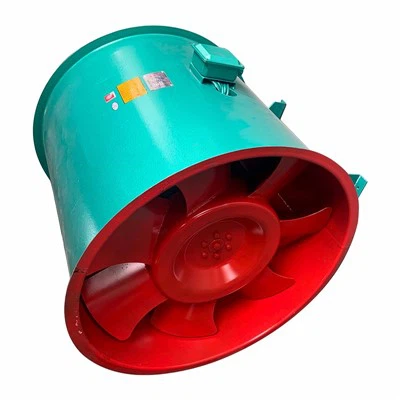
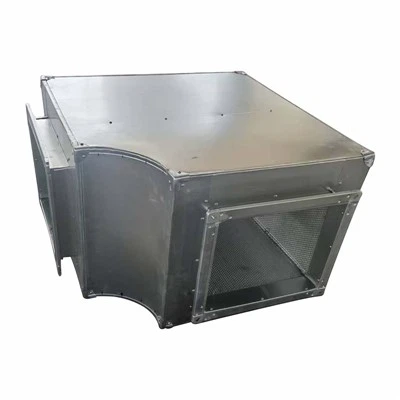
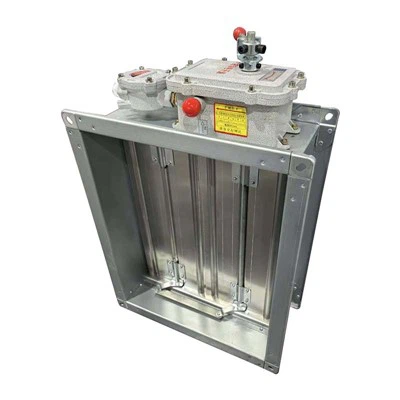
Now, let me tell you a bit about the products I supply to Valve. I provide Explosion - proof Air Valve, Panel Exhaust Outlet, and Smoke Exhaust Fire Damper. These products are crucial for the proper functioning of Valve's hardware and facilities. The explosion - proof air valves are used to ensure safe ventilation in areas where there's a risk of explosion. The panel exhaust outlets help with proper air circulation in their equipment, and the smoke exhaust fire dampers are essential for fire safety.
If you're in the market for high - quality valves and related products, I'd love to have a chat with you. Whether you're a company looking to upgrade your ventilation systems or a manufacturer in need of reliable components, I can provide the solutions you're looking for. We can discuss your specific requirements and find the best products for your needs.
In conclusion, Valve's revenue sources are diverse and well - balanced. From hardware sales to software revenue and esports, they've got multiple streams of income that keep the company thriving. And as a supplier, I'm proud to be a part of their success. If you're interested in discussing any potential procurement needs, don't hesitate to reach out.
References
- Industry reports on the gaming and esports market
- Valve's official announcements and financial disclosures