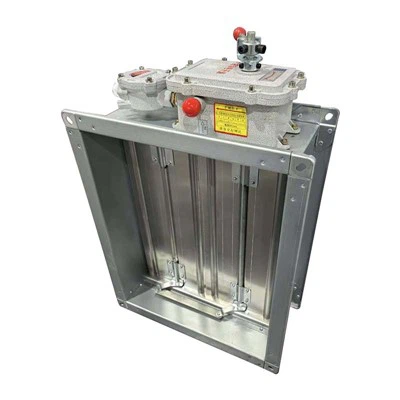

Hey there! As a supplier of high velocity outlets, I get asked all the time about how to choose the right one. It can be a bit of a head-scratcher, especially with so many options out there. But don't worry, I'm here to break it down for you and make the process a whole lot easier.
Understanding High Velocity Outlets
First things first, let's talk about what high velocity outlets are and why they're important. High velocity outlets are designed to deliver air at a high speed, which helps to distribute it more evenly throughout a space. This is particularly useful in large areas or spaces with high ceilings, where traditional low-velocity outlets might not be as effective.
High velocity outlets can be used in a variety of applications, including commercial buildings, industrial facilities, and even residential homes. They're often used in HVAC systems to improve air circulation and reduce energy costs.
Factors to Consider When Choosing a High Velocity Outlet
Now that you have a basic understanding of high velocity outlets, let's dive into the factors you should consider when choosing one.
Airflow Requirements
The first thing you need to consider is the airflow requirements of your space. This will depend on a number of factors, including the size of the room, the number of occupants, and the type of activities taking place in the space. You'll need to calculate the cubic feet per minute (CFM) of air that needs to be delivered to the space to ensure proper ventilation.
Noise Level
Another important factor to consider is the noise level of the high velocity outlet. Some outlets can be quite noisy, especially when operating at high speeds. If noise is a concern, look for outlets that are designed to operate quietly. You can also consider using sound-absorbing materials or installing the outlet in a location where the noise won't be as noticeable.
Installation Requirements
The installation requirements of the high velocity outlet are also an important consideration. Some outlets may require special installation procedures or tools, while others can be easily installed by a DIYer. Make sure you understand the installation requirements before you make a purchase.
Durability and Maintenance
High velocity outlets are often exposed to harsh conditions, such as dust, dirt, and moisture. It's important to choose an outlet that is durable and easy to maintain. Look for outlets that are made from high-quality materials and have a long lifespan. You should also consider the maintenance requirements of the outlet, such as cleaning and filter replacement.
Cost
Finally, you'll need to consider the cost of the high velocity outlet. The cost will depend on a number of factors, including the brand, the size, and the features of the outlet. Make sure you compare prices from different suppliers to get the best deal.
Types of High Velocity Outlets
There are several types of high velocity outlets available on the market, each with its own unique features and benefits. Here are some of the most common types:
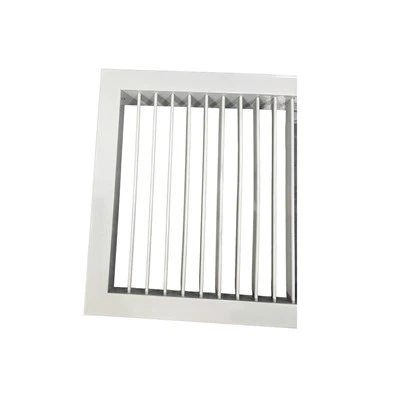
Adjustable Louvre Vent
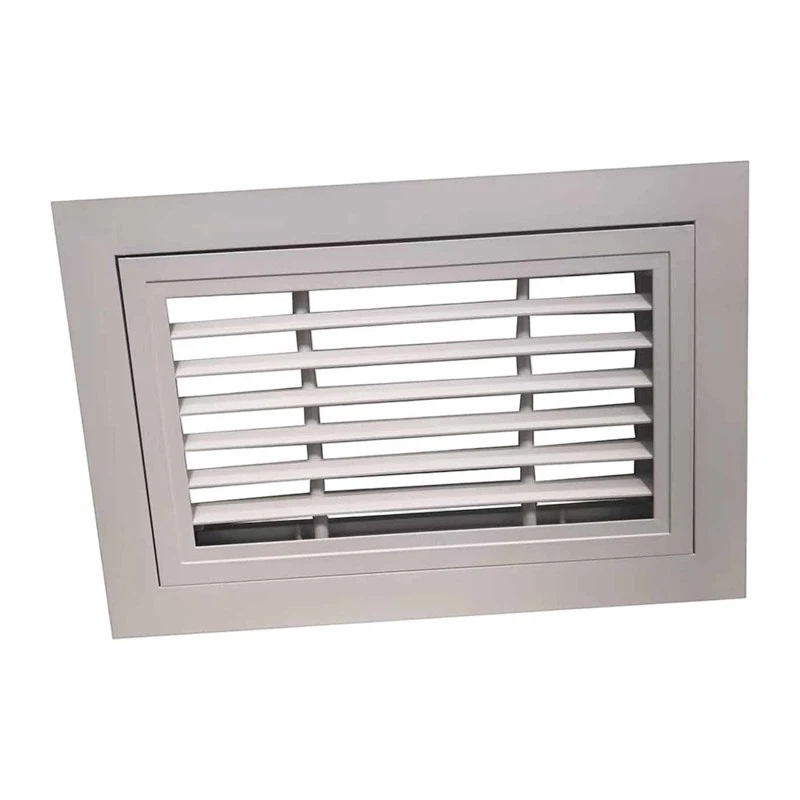
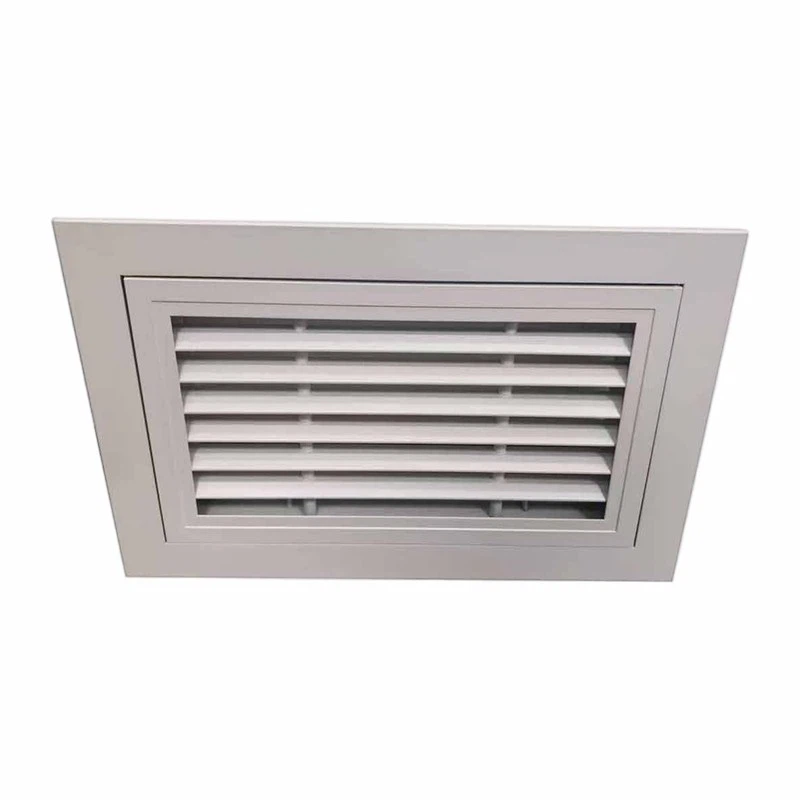
An Adjustable Louvre Vent is a type of high velocity outlet that allows you to adjust the direction and volume of the airflow. This is useful if you need to direct the air towards a specific area or if you want to adjust the airflow based on the needs of the space.
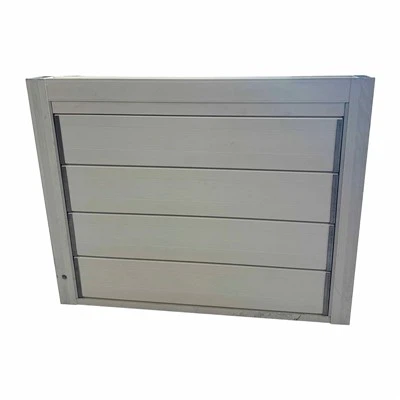
External Louvre Vent
An External Louvre Vent is a type of high velocity outlet that is designed to be installed on the exterior of a building. This is useful if you need to exhaust air from the building or if you want to prevent rain and debris from entering the building.
Intake Louver Vent
An Intake Louver Vent is a type of high velocity outlet that is designed to allow fresh air to enter the building. This is useful if you need to improve the ventilation in the building or if you want to reduce the energy costs associated with heating and cooling.
Choosing the Right High Velocity Outlet for Your Needs
Now that you know the factors to consider and the types of high velocity outlets available, it's time to choose the right one for your needs. Here are some tips to help you make the right decision:
Determine Your Airflow Requirements
As mentioned earlier, the first step is to determine the airflow requirements of your space. This will help you choose an outlet that is capable of delivering the right amount of air.
Consider the Noise Level
If noise is a concern, look for outlets that are designed to operate quietly. You can also consider using sound-absorbing materials or installing the outlet in a location where the noise won't be as noticeable.
Choose the Right Type of Outlet
Based on your needs, choose the type of high velocity outlet that is best suited for your application. For example, if you need to exhaust air from the building, an external louver vent might be the best choice. If you need to improve the ventilation in the building, an intake louver vent might be a better option.
Look for Quality and Durability
Choose an outlet that is made from high-quality materials and has a long lifespan. This will ensure that the outlet will last for many years and provide reliable performance.
Compare Prices
Finally, compare prices from different suppliers to get the best deal. Make sure you consider the features and benefits of each outlet before making a decision.
Conclusion
Choosing the right high velocity outlet can be a challenging task, but it doesn't have to be. By considering the factors outlined in this blog post and choosing the right type of outlet for your needs, you can ensure that your space is properly ventilated and comfortable.
If you're interested in purchasing high velocity outlets, I'd love to help. As a supplier, I can provide you with high-quality products at competitive prices. Contact me today to discuss your needs and get a quote.
References
- ASHRAE Handbook of Fundamentals
- HVAC Systems Design Guide
- Building Ventilation Standards