
Soundproofing is a crucial aspect in various settings, from residential homes to industrial facilities. As a soundproofing supplier, I've witnessed firsthand the importance of understanding how soundproofing works. In this blog, I'll delve into the science behind soundproofing and explore different methods and products that can effectively reduce noise.
The Basics of Sound
Before we discuss soundproofing, it's essential to understand how sound travels. Sound is a mechanical wave that propagates through a medium, such as air, water, or solids. When an object vibrates, it causes the molecules in the surrounding medium to vibrate as well, creating a series of compressions and rarefactions that travel through the medium. These vibrations are detected by our ears as sound.
The intensity of sound is measured in decibels (dB). A whisper is typically around 30 dB, while a rock concert can reach up to 120 dB. Prolonged exposure to high levels of noise can cause hearing damage, so it's important to reduce noise levels in our environment.
How Soundproofing Works
Soundproofing works by reducing the transmission of sound waves from one area to another. There are several ways to achieve this, including absorption, isolation, and damping.
Absorption
Absorption is the process of converting sound energy into heat energy. Sound-absorbing materials, such as acoustic panels, foam, and fiberglass, are designed to trap sound waves and prevent them from reflecting off surfaces. These materials have a porous structure that allows sound waves to enter and be absorbed by the material. The sound energy is then converted into heat energy, which is dissipated into the surrounding environment.
Acoustic panels are a popular choice for soundproofing because they are effective at absorbing sound and can be customized to fit the specific needs of a space. They come in a variety of shapes, sizes, and colors, and can be installed on walls, ceilings, and floors. Foam and fiberglass insulation are also commonly used for soundproofing, especially in residential and commercial buildings.

Isolation
Isolation is the process of separating two areas to prevent sound from traveling between them. This can be achieved by using materials that are dense and heavy, such as concrete, brick, and steel. These materials are effective at blocking sound waves because they have a high mass and can absorb and reflect sound energy.
In addition to using dense materials, isolation can also be achieved by creating a sealed environment. This can be done by using weatherstripping, caulking, and gaskets to seal gaps and cracks in walls, windows, and doors. By creating a sealed environment, sound waves are prevented from entering or leaving the space.
Damping
Damping is the process of reducing the vibration of a structure or material. When a sound wave hits a surface, it causes the surface to vibrate, which can then transmit the sound wave to other areas. Damping materials, such as rubber, cork, and asphalt, are designed to absorb and dissipate the energy of the vibration, reducing the amount of sound that is transmitted.
Damping materials are commonly used in industrial settings to reduce the noise generated by machinery and equipment. They can also be used in residential and commercial buildings to reduce the noise transmitted through floors, walls, and ceilings.
Soundproofing Products
As a soundproofing supplier, I offer a variety of products that can effectively reduce noise in different settings. Here are some of the products that I recommend:
Micro-perforated Plate Silencer
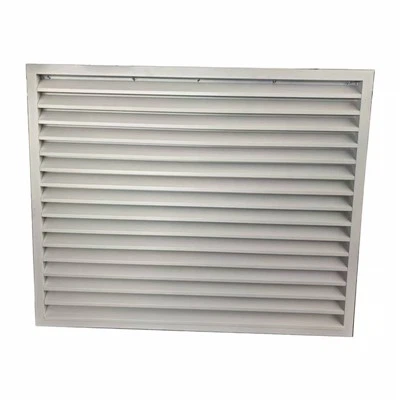
The Micro-perforated Plate Silencer is a highly effective soundproofing device that is commonly used in HVAC systems, industrial exhaust systems, and other applications. It consists of a series of micro-perforated plates that are designed to absorb and dissipate sound energy. The micro-perforations in the plates create a large surface area for sound waves to interact with, which helps to reduce the intensity of the sound.
Static Pressure Box
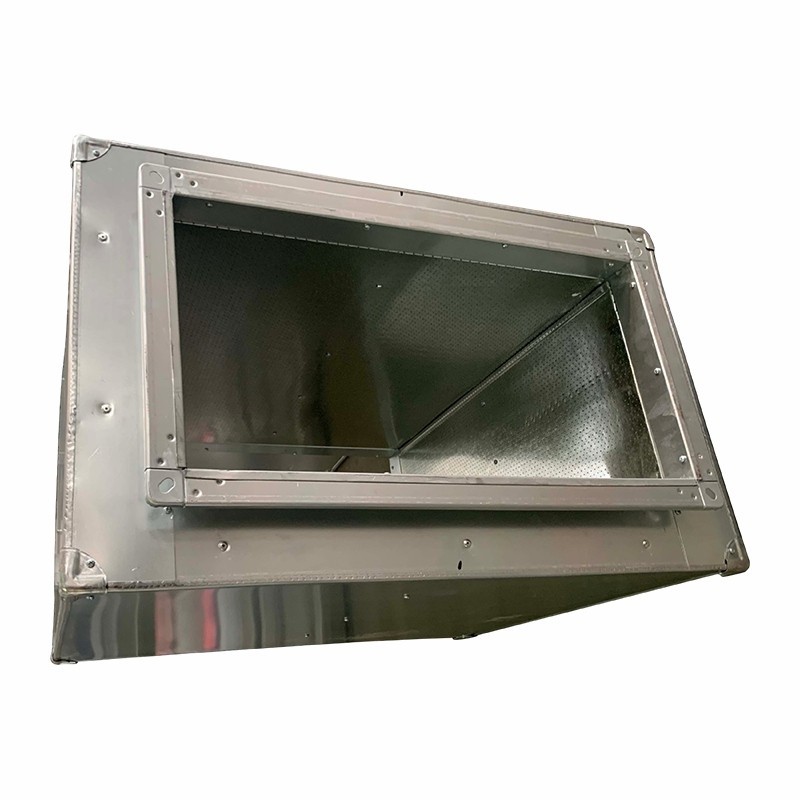
The Static Pressure Box is another effective soundproofing device that is commonly used in HVAC systems. It is designed to reduce the noise generated by the airflow in the system by creating a static pressure zone. The static pressure box helps to reduce the turbulence and noise in the airflow, which can improve the efficiency of the system and reduce the overall noise level.
Noise Reducing Shades
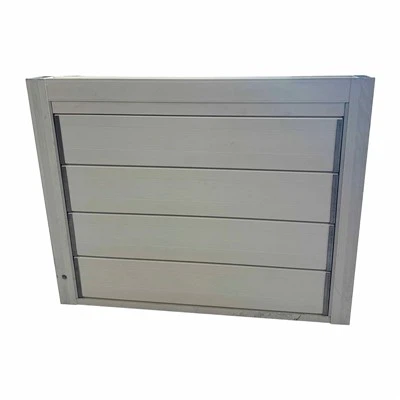
Noise Reducing Shades are a popular choice for soundproofing in residential and commercial buildings. They are designed to block out external noise and reduce the amount of sound that enters the space. Noise reducing shades are typically made of a thick, heavy material that is designed to absorb and reflect sound waves. They can be installed on windows and doors to provide an additional layer of soundproofing.
Conclusion
Soundproofing is an important aspect of creating a comfortable and quiet environment. By understanding how soundproofing works and using the right products, you can effectively reduce noise levels in your home, office, or industrial facility. As a soundproofing supplier, I'm committed to providing high-quality soundproofing products and solutions that meet the needs of my customers. If you're interested in learning more about soundproofing or would like to discuss your specific needs, please contact me to schedule a consultation.
References
- Beranek, Leo L. Noise and Vibration Control. McGraw-Hill, 1971.
- Kinsler, Lawrence E., et al. Fundamentals of Acoustics. John Wiley & Sons, 2000.
- Rossing, Thomas D., et al. Springer Handbook of Acoustics. Springer, 2012.