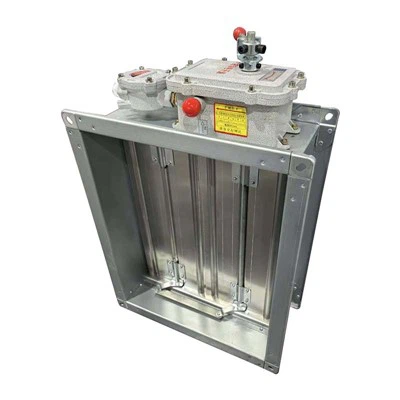

In the food - processing industry, maintaining high - level hygiene is of utmost significance. Recess valves play a critical role in this sector, as they are involved in the control and regulation of various fluids and substances during the food - making process. As a recess valve supplier, I understand the importance of these valves meeting strict hygienic standards. In this blog, we will explore the key hygienic standards that a recess valve should meet in the food - processing industry.
Material Selection
The choice of materials for recess valves is the first and foremost factor in ensuring hygiene. The materials must be non - toxic and resistant to corrosion. Stainless steel, particularly grades like 316L, is widely used in the food - processing industry. It has excellent corrosion resistance, even in contact with acidic or alkaline food products. This prevents the valve from rusting or corroding, which could contaminate the food. For instance, when handling fermented food products with low pH values, a recess valve made of 316L stainless steel can withstand the acidic environment without leaching harmful substances into the food.
In addition to stainless steel, some components of the valve may be made of high - quality plastics. These plastics should be food - grade, which means they comply with relevant food safety regulations. They should not release any chemicals or additives that could pose a risk to human health. For example, some O - rings in the valve may be made of food - grade silicone. Silicone is flexible, resistant to high temperatures, and does not react with food products, ensuring a tight seal without compromising hygiene.
Design Considerations
The design of a recess valve can significantly impact its hygienic performance. First, the valve should have a smooth interior surface. A rough surface can trap food particles, bacteria, and other contaminants, creating a breeding ground for microorganisms. Therefore, the interior of the valve should be polished to a high degree to minimize surface irregularities. A polished surface also makes it easier to clean the valve, as it reduces the adhesion of food residues.
Dead - spaces in a valve design are also a major concern. Dead - spaces are areas where fluid can stagnate, leading to the growth of bacteria and the potential for food contamination. A well - designed recess valve should minimize dead - spaces. For example, the valve should be designed with a streamlined flow path, ensuring that there are no pockets or corners where fluid can accumulate. Additionally, the valve's operation should be such that it allows for complete drainage of the fluid when not in use, preventing the formation of stagnant pools.
Cleaning and Sanitization
Effective cleaning and sanitization are essential for maintaining the hygiene of recess valves in the food - processing industry. The valve should be designed to be easily disassembled for cleaning. All parts of the valve, including internal components like diaphragms and seats, should be accessible for manual cleaning. This allows operators to remove any stubborn food residues or contaminants that may not be removed by automated cleaning systems.
Automated cleaning systems, such as Clean - in - Place (CIP) and Sterilize - in - Place (SIP) systems, are commonly used in the food - processing industry. Recess valves should be compatible with these systems. They should be able to withstand the cleaning agents and temperatures used in CIP and SIP processes. For example, some cleaning agents may be highly alkaline or acidic, and the valve materials should not be damaged by these chemicals. Moreover, the valve should be able to be effectively cleaned and sanitized within a reasonable time frame, minimizing the disruption to the food - processing operations.
Sealing Performance
A reliable sealing performance is vital for preventing cross - contamination and ensuring the hygiene of the food - processing environment. The seals in a recess valve should be able to maintain a tight seal under different operating conditions, including pressure changes and temperature fluctuations. For example, in a high - pressure food - filling process, the valve seals should prevent any leakage of the food product or the entry of external contaminants.
The seals should also be resistant to wear and tear. Over time, repeated opening and closing of the valve can cause the seals to deteriorate. High - quality seals made of durable materials can extend the service life of the valve and maintain their sealing performance. Regular inspection and replacement of seals are also necessary to ensure continuous hygiene.
Microbial Resistance
The food - processing environment is rich in microorganisms, and recess valves should have some degree of microbial resistance. This can be achieved through the use of antimicrobial materials or surface treatments. For example, some stainless - steel surfaces can be treated with antimicrobial coatings that inhibit the growth of bacteria, mold, and fungi.
In addition, the valve should be designed to prevent the formation of biofilms. Biofilms are communities of microorganisms that can adhere to the valve surface and are difficult to remove. By having a smooth surface, proper drainage, and using antimicrobial materials, the risk of biofilm formation can be significantly reduced.
Compliance with Regulations
Recess valves in the food - processing industry must comply with various national and international regulations. In the United States, the Food and Drug Administration (FDA) has strict regulations regarding the materials and design of food - contact equipment, including valves. In the European Union, the European Food Safety Authority (EFSA) sets similar standards. A recess valve supplier should ensure that their products meet these regulatory requirements. Non - compliance can lead to legal issues and potential harm to consumers.
Importance of Quality Control
As a recess valve supplier, quality control is crucial to ensure that our products meet the required hygienic standards. We implement a comprehensive quality control system that includes raw material inspection, in - process quality checks, and final product testing. For example, we test the corrosion resistance of the stainless - steel materials, the sealing performance of the valves, and their compatibility with cleaning agents.
By adhering to strict quality control measures, we can provide our customers with high - quality recess valves that meet the demanding hygiene requirements of the food - processing industry.
Related Products for a Hygienic Food - Processing Environment
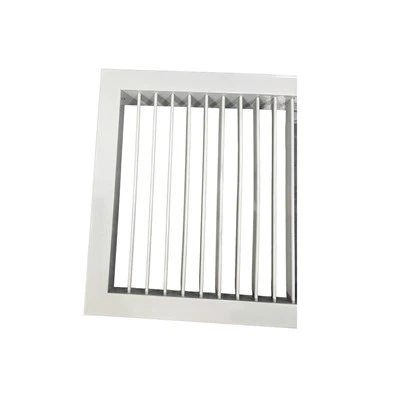
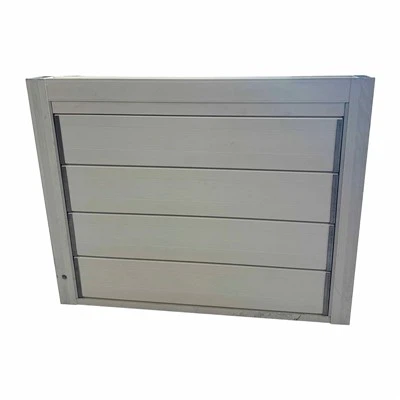
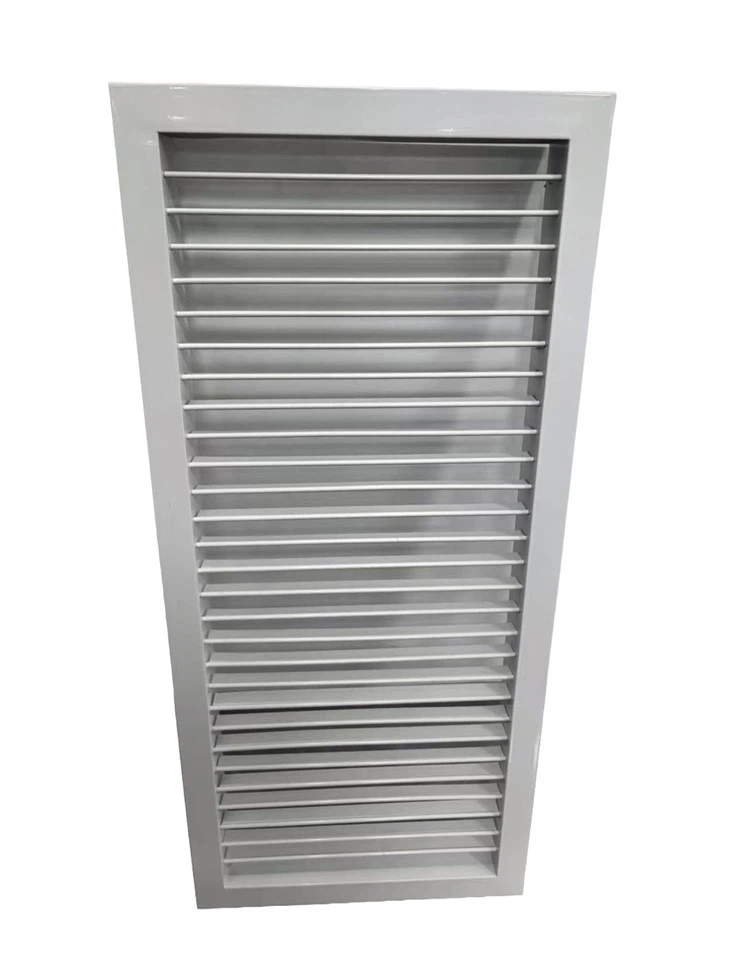
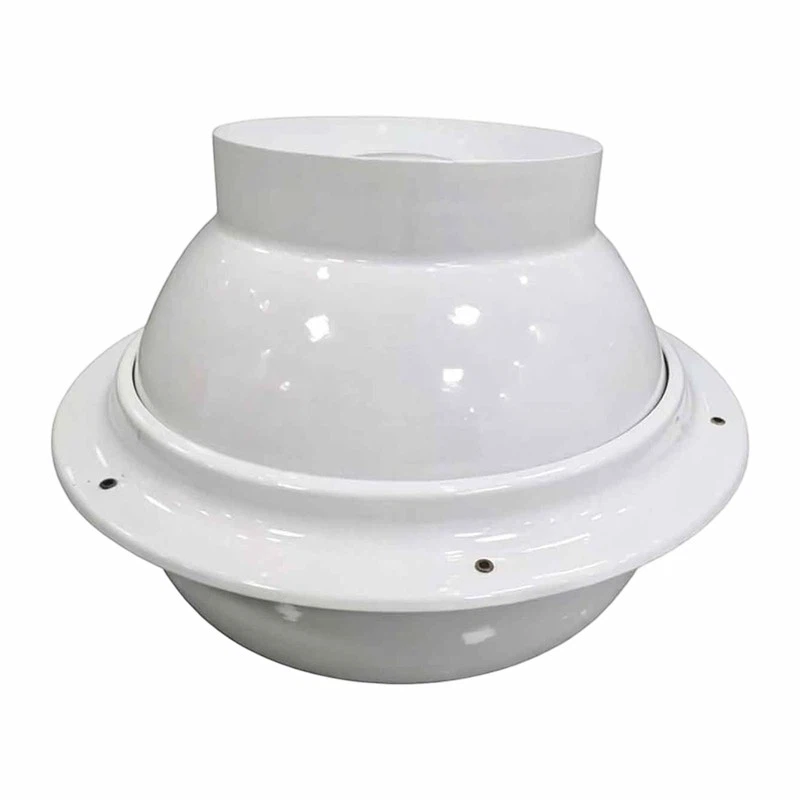
In addition to recess valves, there are other products that can contribute to a hygienic food - processing environment. An Intake Louver Vent can be used to control the intake of fresh air in the food - processing facility, preventing the entry of dust and contaminants. An Adjustable Louvre Vent offers flexibility in adjusting the airflow, which is useful in maintaining proper ventilation. A Spherical Nozzle can be used in the cleaning process, providing a more efficient way to spray cleaning agents.
Conclusion
In conclusion, recess valves in the food - processing industry must meet strict hygienic standards to ensure the safety and quality of food products. From material selection, design, cleaning, sealing, microbial resistance to regulatory compliance, every aspect is crucial. As a recess valve supplier, we are committed to providing products that meet these high - level hygienic standards.
If you are in the food - processing industry and are looking for high - quality recess valves that meet all the necessary hygienic requirements, we invite you to contact us for further discussion and procurement. We are confident that our products can meet your specific needs and contribute to a safe and hygienic food - processing environment.
References
- "FDA Food Contact Substances Notification Program", U.S. Food and Drug Administration.
- "EFSA Guidance on Food - contact Materials", European Food Safety Authority.
- "Principles of Food Hygiene in Processing", International Journal of Food Science.