
Hey there! As a supplier of High Temp Duct Fans, I often get asked if there are any energy - efficient options out there. Well, the short answer is yes, and in this blog, I'm gonna break it all down for you.
First off, let's understand why energy efficiency matters when it comes to high - temp duct fans. High - temperature environments, like industrial ovens, furnaces, or even some large - scale commercial kitchens, require fans that can handle extreme heat. But running these fans can consume a significant amount of energy. And with energy costs on the rise, finding an energy - efficient solution isn't just good for your wallet; it's also better for the environment.
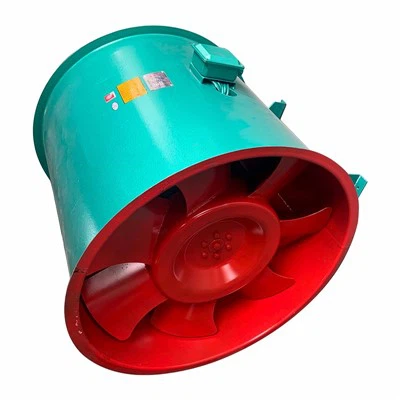
So, what makes a high - temp duct fan energy - efficient? One of the key factors is the design of the fan. A well - designed fan will have an aerodynamic blade shape. This means that the blades are shaped in a way that allows them to move air more effectively with less resistance. When there's less resistance, the fan doesn't have to work as hard, and that translates to lower energy consumption.
Another important aspect is the motor. Energy - efficient motors are designed to convert electrical energy into mechanical energy more effectively. They use advanced technologies to reduce heat loss and increase the overall efficiency of the fan. For example, some motors use variable frequency drives (VFDs). These drives allow the fan to adjust its speed according to the actual demand. If the system doesn't need full - speed operation, the fan can slow down, saving a lot of energy in the process.
Now, let's talk about the types of high - temp duct fans that are typically energy - efficient. One popular option is the Jet Fans for Tunnel Ventilation. These fans are designed to move large volumes of air in a specific direction. They're often used in tunnels, but they can also be applied in other high - temperature settings. The design of jet fans allows them to create a strong airflow with relatively low energy input. Their aerodynamic design and efficient motor systems make them a great choice for energy - conscious users.
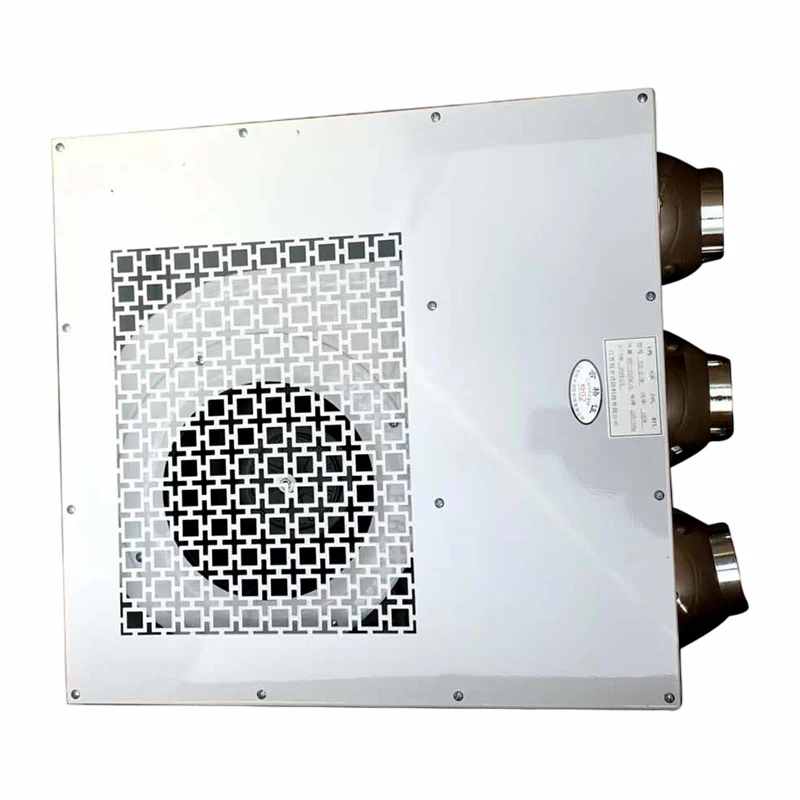
Another type is the Centrifugal Duct Booster Fan. Centrifugal fans work by using a rotating impeller to draw air in and then expel it at a right angle. They're known for their high - pressure capabilities, which makes them suitable for applications where air needs to be pushed through long ducts or against resistance. When it comes to energy efficiency, modern centrifugal duct booster fans are designed with features like backward - curved blades and efficient motors. These features help the fan move air more efficiently, reducing energy consumption.
The Jet Induced Draft Fan is also worth mentioning. These fans are used to create a draft in systems, such as boilers or industrial furnaces. They work by using a jet of high - velocity air to induce a flow of air through the system. Energy - efficient jet induced draft fans are designed to optimize the jet airflow and reduce energy waste. They can be a great option for industries that need to maintain a consistent draft in high - temperature environments.
But how do you know if a high - temp duct fan is truly energy - efficient? Well, there are a few things you can look for. First, check the fan's efficiency rating. This rating is usually provided by the manufacturer and gives you an idea of how well the fan converts electrical energy into airflow. A higher efficiency rating means the fan is more energy - efficient.
You can also look at the fan's power consumption. A good energy - efficient fan will consume less power while still providing the required airflow. Some fans may come with energy - saving features like automatic shut - off or speed control. These features can help you further reduce energy usage.
In addition to the design and features of the fan itself, proper installation and maintenance are also crucial for energy efficiency. A poorly installed fan may not operate at its optimal efficiency. Make sure the fan is installed in the right location, with proper ventilation and clearance. Regular maintenance, such as cleaning the blades and checking the motor, can also ensure that the fan continues to operate efficiently over time.
Now, if you're in the market for an energy - efficient high - temp duct fan, I'm here to help. As a supplier, I have a wide range of fans that are designed to meet your specific needs. Whether you need a jet fan for tunnel ventilation, a centrifugal duct booster fan, or a jet induced draft fan, I can provide you with high - quality products that are both energy - efficient and reliable.
If you're interested in learning more about our products or have any questions, feel free to reach out. We can discuss your requirements, provide you with detailed product information, and even offer a free consultation. Let's work together to find the best energy - efficient high - temp duct fan solution for your business.
References

- Industry research on high - temp duct fan efficiency
- Manufacturer specifications for energy - efficient fans