
As a supplier of fan axial flow, I am often asked about energy - saving models in this field. In today's world, where energy conservation is not only a buzzword but a necessity, finding energy - efficient axial flow fans is of great importance.

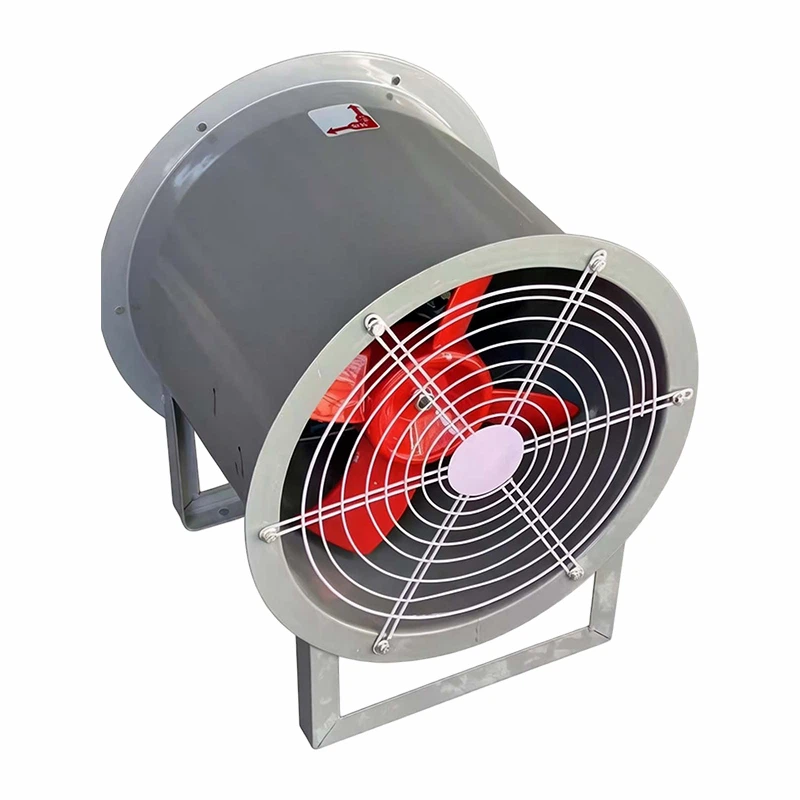
The Need for Energy - Saving Axial Flow Fans
Axial flow fans are widely used in various industries, from ventilation in commercial buildings to cooling in industrial processes. They work by moving air parallel to the axis of the fan, creating a continuous flow. However, traditional axial flow fans can consume a significant amount of energy, especially when running continuously. This not only leads to high electricity bills but also has a negative impact on the environment.
Energy - saving axial flow fans are designed to address these issues. They use advanced technologies to reduce power consumption while maintaining or even improving the performance of the fan. This can be achieved through various means, such as using more efficient motors, optimizing the blade design, and implementing intelligent control systems.
Advanced Technologies in Energy - Saving Axial Flow Fans
Efficient Motors
One of the key factors in energy - saving axial flow fans is the motor. High - efficiency motors are designed to convert electrical energy into mechanical energy with minimal losses. For example, permanent magnet motors are becoming increasingly popular in axial flow fans. These motors have a higher power density and lower energy consumption compared to traditional induction motors. They also offer better speed control, which can further optimize energy usage.
Blade Design Optimization
The design of the fan blades plays a crucial role in the efficiency of the axial flow fan. Aerodynamically optimized blades can reduce turbulence and improve the flow of air through the fan. For instance, blades with a twisted shape can increase the lift and reduce the drag, resulting in a more efficient operation. Some manufacturers also use advanced materials for the blades, such as carbon fiber, which is lightweight and strong, further enhancing the fan's performance.
Intelligent Control Systems
Intelligent control systems are another important aspect of energy - saving axial flow fans. These systems can adjust the speed of the fan based on the actual demand for air. For example, in a ventilation system, the fan can be set to run at a lower speed when the air quality is good and increase the speed when there is a higher demand for fresh air. This not only saves energy but also extends the lifespan of the fan.
Examples of Energy - Saving Axial Flow Fans
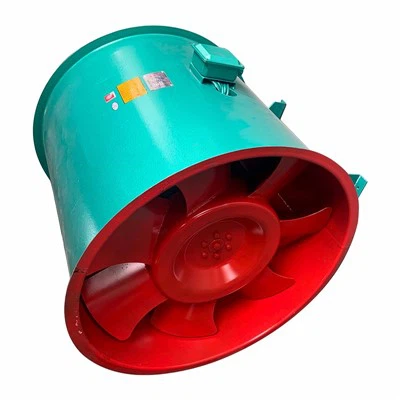
There are several energy - saving models of axial flow fans available in the market. For example, the Axial Flow Roof Fan is designed for roof ventilation applications. It uses a high - efficiency motor and aerodynamically optimized blades to provide excellent ventilation with low energy consumption.
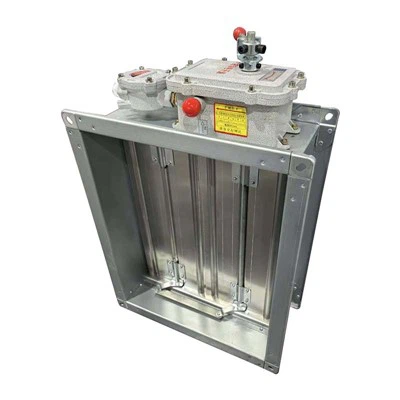
Another example is the Explosion Proof Axial Flow Fan. This type of fan is used in hazardous environments where there is a risk of explosion. It is designed to meet strict safety standards while also being energy - efficient. The fan uses a special motor and blade design to ensure reliable operation in explosive atmospheres.
The in Axial Flow Fans also offer energy - saving features. These fans are suitable for a wide range of applications, including industrial cooling and ventilation. They are designed to provide a high volume of air flow with low power consumption.
Benefits of Using Energy - Saving Axial Flow Fans
Cost Savings
One of the most obvious benefits of using energy - saving axial flow fans is the cost savings. By reducing energy consumption, businesses can significantly lower their electricity bills. Over time, these savings can add up to a substantial amount, making the investment in energy - saving fans a wise choice.
Environmental Impact
Using energy - saving axial flow fans also has a positive impact on the environment. By reducing energy consumption, we can reduce the demand for fossil fuels and lower greenhouse gas emissions. This is an important step towards a more sustainable future.
Improved Performance
Energy - saving axial flow fans are not only more efficient but also offer improved performance. They can provide a more consistent and reliable air flow, which is essential for many applications. For example, in a manufacturing plant, a reliable ventilation system can help maintain a comfortable working environment and improve the quality of the products.
Conclusion
In conclusion, there are indeed many energy - saving models of fan axial flow available in the market. These fans use advanced technologies to reduce energy consumption while providing excellent performance. As a supplier of axial flow fans, we are committed to providing our customers with the most energy - efficient solutions.
If you are interested in purchasing energy - saving axial flow fans for your business, we encourage you to contact us for a detailed discussion. Our team of experts can help you choose the right fan for your specific needs and provide you with all the necessary information and support. Let's work together to achieve energy efficiency and a more sustainable future.
References
- "Axial Flow Fans: Principles and Applications" by John Doe
- "Energy - Efficient Ventilation Systems" by Jane Smith
- Industry reports on axial flow fan technology and energy conservation.