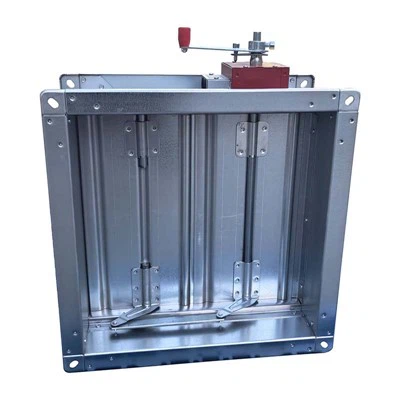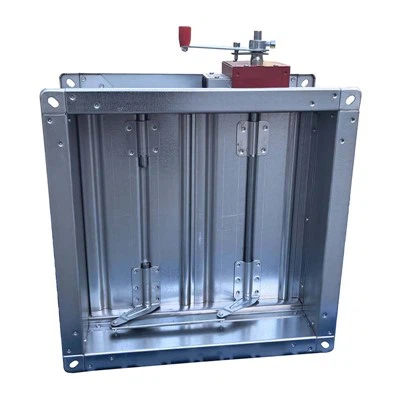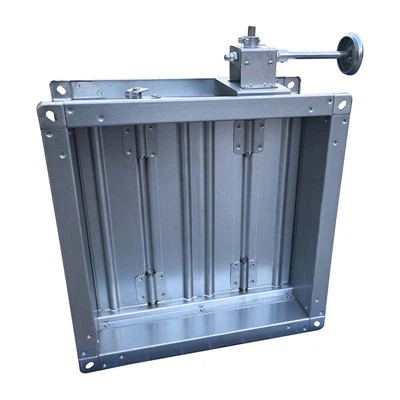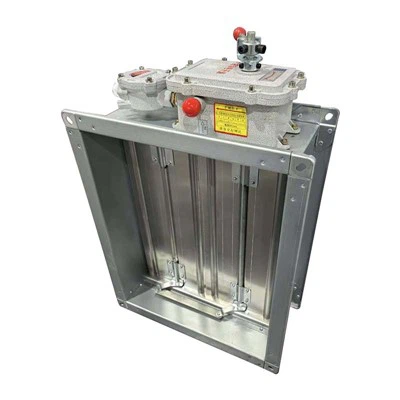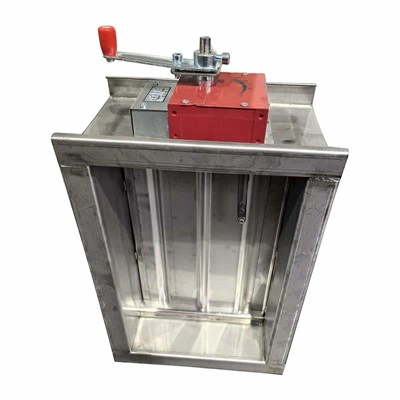
The structural design of a valve directly determines its functionality, operational stability, and service life within a fluid control system. A complete valve structure typically consists of a valve body, valve cover, opening and closing elements, valve stem, sealing surfaces, actuation device, and auxiliary components. These components work together to ensure the safe and precise controlled flow of the medium in the pipeline.
The valve body is the main part of the valve, used to contain and guide the medium. Its shape and wall thickness must be calculated and determined based on the working pressure, temperature, and medium characteristics. The connection method between the valve body and the pipeline (such as flange, thread, welding) is also planned uniformly during the structural design phase to ensure assembly strength and sealing reliability. The valve cover, located on the upper part of the valve body, is fixed by bolts or a pressure self-tightening structure, serving to enclose the internal space, protect internal parts, and facilitate disassembly and maintenance.
The opening and closing elements are crucial for achieving flow control, such as the raising and lowering of the gate, the displacement of the valve disc, the rotation of the ball, or the oscillation of the butterfly plate. The movement trajectory and the contact form of the sealing surface determine the valve's opening and closing characteristics and flow resistance coefficient. The valve stem connects the opening/closing element and the drive mechanism, responsible for converting rotational or thrust into linear or rotational motion of the opening/closing element. Its surface finish and anti-corrosion treatment affect transmission efficiency and durability.
The sealing pair, consisting of the opening/closing element and the valve seat, is the core component preventing media leakage. Soft sealing materials such as rubber and PTFE can achieve zero leakage, but their temperature and pressure resistance is limited. Hard seals use a metal-to-metal fit, suitable for high-temperature, high-pressure, and solid particle-containing conditions, but require higher machining precision. Drive mechanisms, depending on the valve type, include handwheels, gearboxes, electric actuators, and pneumatic or hydraulic actuators. Their selection must consider torque requirements, operating speed, and environmental conditions.
Auxiliary components include guides, limit mechanisms, drain ports, and pressure balancing holes, used to optimize smoothness of movement, reduce wear, and improve maintenance convenience. In special operating conditions, insulation layers, erosion-resistant structures, or vibration-resistant devices may be added to adapt to high-temperature, low-temperature, highly corrosive, or high-frequency vibration environments.
With advancements in industrial technology, valve structures are developing towards modularity, lightweighting, and intelligence. The application of new materials improves corrosion resistance and fatigue resistance, precision manufacturing processes enhance the fitting accuracy of sealing pairs, and the intelligent structure integrating sensors can monitor operating status in real time, enabling predictive maintenance. A scientifically designed valve structure is not only a guarantee of functional realization but also the foundation for the safe and economical operation of the system.