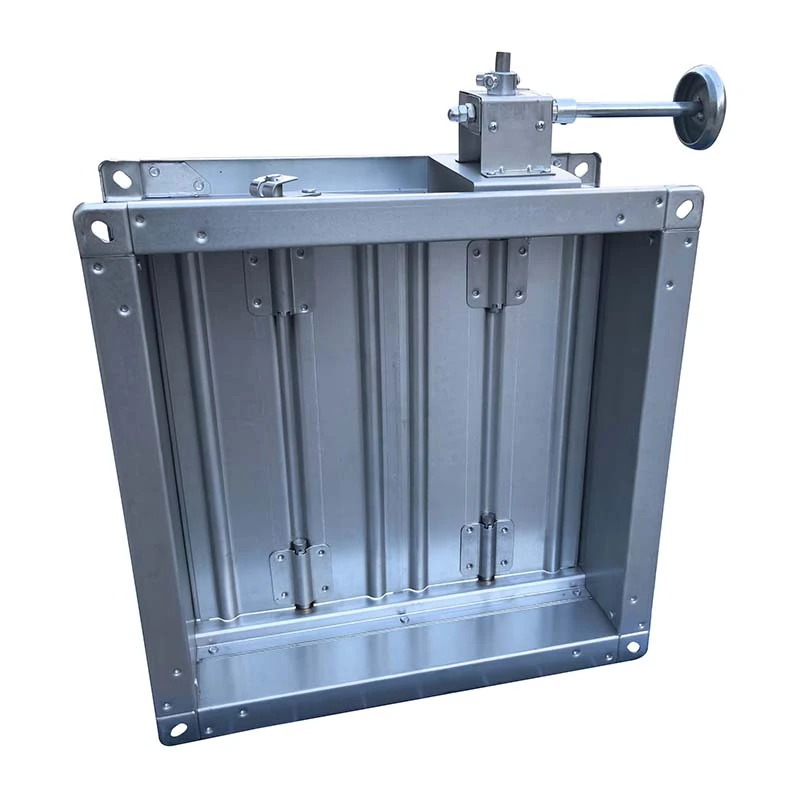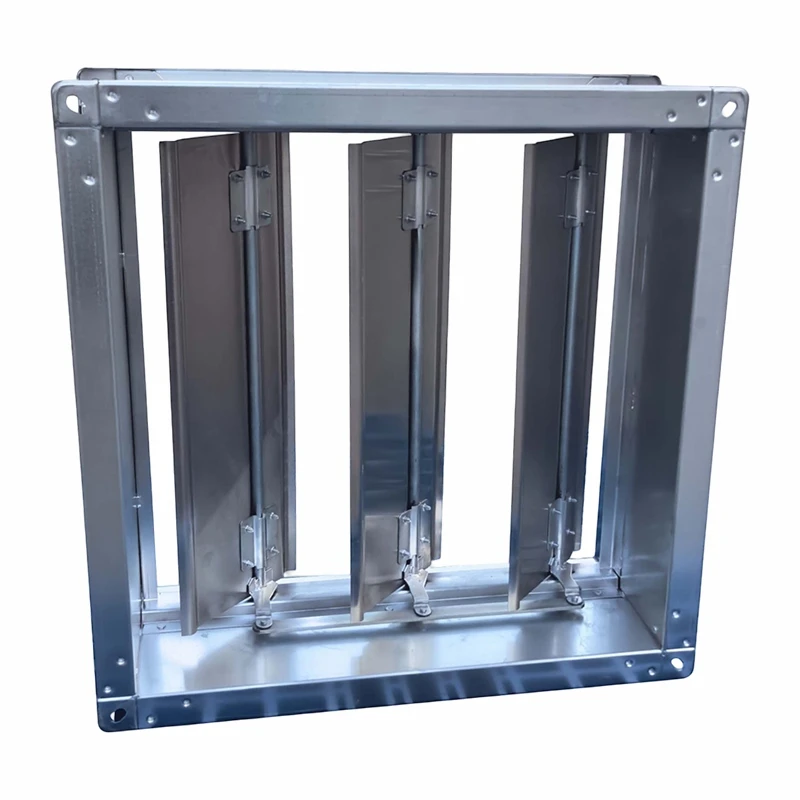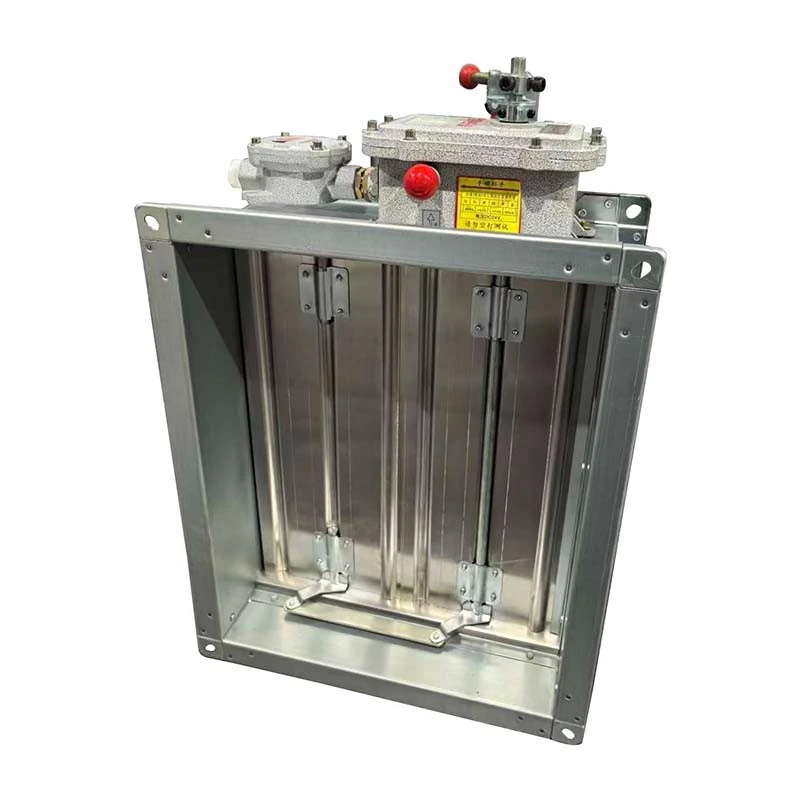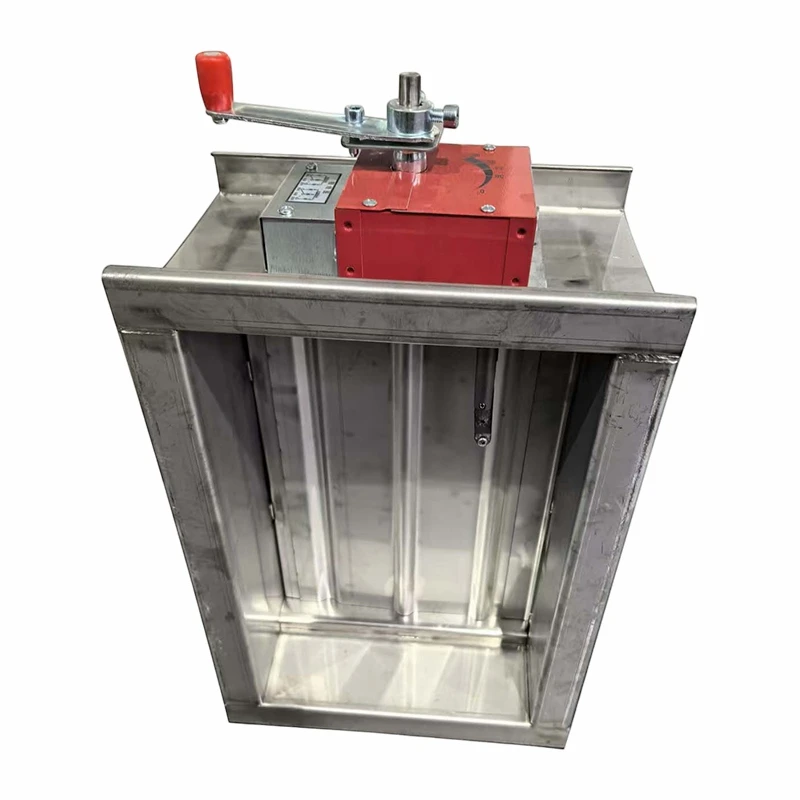
As indispensable control components in industrial pipeline systems, valves perform crucial functions such as regulating flow, cutting off media, changing flow direction, and regulating pressure. They are widely used in petroleum, chemical, power, metallurgy, water treatment, and municipal engineering fields. Their performance directly affects the safety, stability, and economy of the system, thus earning them the title of the "throat" of fluid transport systems.
Structurally, valves can be classified into various types, including gate valves, globe valves, ball valves, butterfly valves, check valves, and regulating valves. Gate valves, with their low flow resistance when fully open, are commonly used for on/off control of large-diameter pipelines; globe valves, due to their low wear on the sealing surface, are suitable for scenarios requiring precise flow regulation; ball valves, with their advantages of rapid opening and closing and reliable sealing, are widely used in natural gas and chemical media; butterfly valves, due to their compact structure and low cost, are the preferred choice for large-diameter water treatment and ventilation systems. Check valves effectively protect equipment safety by automatically preventing backflow of media; regulating valves achieve precise control of flow and pressure through actuators, meeting the needs of process automation.
Material selection is the core guarantee of valve performance. Under normal operating conditions, cast iron and carbon steel are commonly used; corrosive media environments require stainless steel, alloy steel, or special plastics; high-temperature and high-pressure scenarios necessitate chromium-molybdenum steel or nickel-based alloys. Sealing technology is equally crucial; soft seals (such as rubber and PTFE) prioritize zero leakage, while hard seals (metal-to-metal) are suitable for high-temperature and abrasive conditions. In recent years, with the development of industrial intelligence, intelligent valves integrate sensors and remote control modules, enabling real-time monitoring of temperature and pressure and providing status feedback, driving the upgrade of traditional valves towards digitalization and networking.
Industry standards provide a standardized basis for valve quality. Mainstream domestic and international standards include ISO, API, ASME, and the GB/T series, covering the entire process of design, manufacturing, and inspection. For example, petrochemical plants often follow the API 600 standard, while the nuclear power sector must meet the stringent RCC-M requirements. Increasingly stringent environmental and safety regulations further drive the development of valves towards low leakage and long service life, with fugitive emission control and fire/explosion-proof design becoming key research and development areas.
Currently, the global valve market is transforming towards the application of high-performance materials, modular design, and full life-cycle services. With the rise of emerging industries such as new energy and hydrogen energy, the demand for cryogenic valves and supercritical parameter valves continues to grow. In the future, predictive maintenance systems integrating IoT technology and green manufacturing processes will further enhance the reliability and sustainability of valves in complex industrial systems, continuously empowering the construction of modern industrial systems.