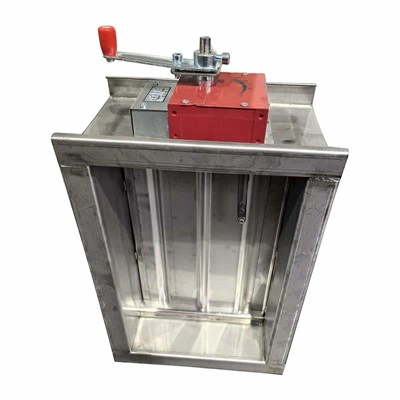
As a key component of fluid control systems, valves are characterized by their diverse structures, targeted functions, material compatibility, and adaptability to various operating conditions.These characteristics collectively determine the reliability and efficiency of valves in different application scenarios.
Firstly, the diversity of structural design is one of the most significant characteristics of valves. Based on their opening and closing principles, valves can be categorized into gate valves, globe valves, ball valves, butterfly valves, check valves, and regulating valves. Gate valves have low flow resistance and require less effort to open and close, making them suitable for large-diameter pipelines; globe valves have easy-to-maintain sealing surfaces and are suitable for precise regulation; ball valves open and close quickly and provide reliable sealing, making them widely used for flammable and explosive media; butterfly valves have a compact structure and low cost, and are commonly used in water treatment and HVAC systems. This structural differentiation allows valves to precisely match the needs of various operating conditions.
Secondly, the specialization and versatility of functions are another important characteristic of valves. Single-function valves, such as check valves, only control the flow direction, while regulating valves integrate detection, feedback, and regulation to meet the needs of automated control. Some valves also combine multiple functions such as shut-off, flow diversion, and pressure release, simplifying system design while enhancing safety.
Material adaptability is a core characteristic of valves for handling complex media. Cast iron or carbon steel is used in conventional applications, stainless steel, alloy steel, or special plastics are selected for corrosive environments, and chromium-molybdenum steel or nickel-based alloys are required for high-temperature and high-pressure scenarios. The selection of sealing materials is equally crucial; soft seals achieve zero leakage, while hard seals adapt to high-temperature and abrasive conditions, reflecting the balance between material science and operational requirements.
Operating condition adaptability is reflected in the valve's broad compatibility with pressure, temperature, and media. From vacuum to ultra-high pressure, from cryogenic liquid gases to high-temperature steam, valves can achieve stable operation through structural optimization and material upgrades. Furthermore, the flexibility of actuation methods-manual, electric, pneumatic, hydraulic, and electromagnetic-allows them to integrate into different levels of automation and operating environments.
With technological advancements, valves are exhibiting new characteristics such as intelligence, long lifespan, and environmental friendliness. Intelligent valves integrating sensors and remote control modules can monitor status in real time and provide early warnings of malfunctions; modular design shortens maintenance cycles; and low-leakage structures and recyclable materials meet the requirements of sustainable development.
In summary, the characteristics of valves lie not only in the realization of their mechanical functions, but also in the deep integration of structure, materials, function, and intelligence to provide safe, efficient, and economical control solutions for industrial fluid systems, continuously supporting the stable operation of modern industrial and urban infrastructure.