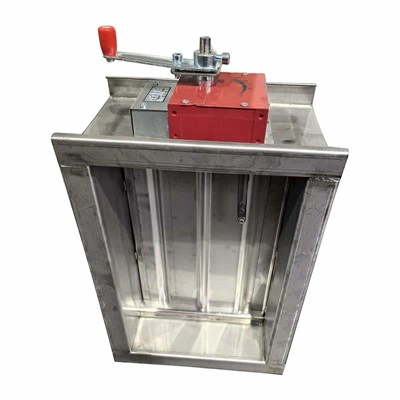
The essential function of a valve is to effectively control fluid media. This core logic permeates the design and application of all types of valves. Whether it's liquid, gas, or two-phase flow, valves change the flow cross-section or path through mechanical structure movements, thereby achieving precise management of media parameters.
The basic shut-off function is the most original and important role of a valve. Through the movement or rotation of the opening and closing parts, the valve can switch between fully open and fully closed, achieving pipeline connectivity or isolation. This function is crucial in equipment maintenance, system switching, and emergency shut-off scenarios, directly affecting the safe operation of the entire pipeline network.
Flow regulation is another fundamental function of a valve. Unlike simple on/off switching, regulation requires the valve to operate stably in a partially open state, controlling flow velocity and flow rate by changing the flow area. This type of function typically relies on the linear displacement or angular change of the valve disc, valve plate, or ball, combined with precise sealing pair design, to ensure smooth media flow and controllable leakage during regulation.
Pressure control is also one of the fundamental functions of a valve. During fluid transportation, pressure fluctuations can affect equipment lifespan and process stability. Specialized valves such as pressure reducing valves and safety valves sense pressure changes through built-in mechanisms and automatically adjust their opening to maintain pressure within a set range, protecting downstream equipment and optimizing energy consumption.
Furthermore, flow guidance and diversion functions are indispensable in complex piping systems. Three-way valves and directional valves can change the direction of media flow according to process requirements or distribute a single fluid stream to multiple branches. This flexible path control capability greatly enhances the system's adaptability and scalability.
These fundamental functions are not isolated but interconnected and work together. Cut-off function provides system safety, regulation function achieves process precision, pressure control maintains operational stability, and flow guidance gives the system flexible configuration capabilities. It is precisely based on the organic combination of these fundamental functions that valves become irreplaceable control hubs in industrial fluid systems, supporting a vast network from energy extraction to end-use consumption.