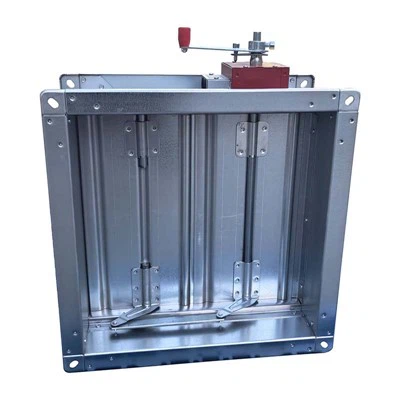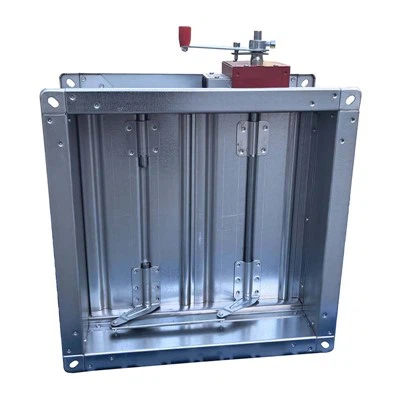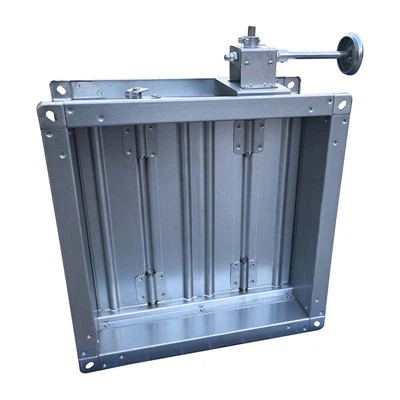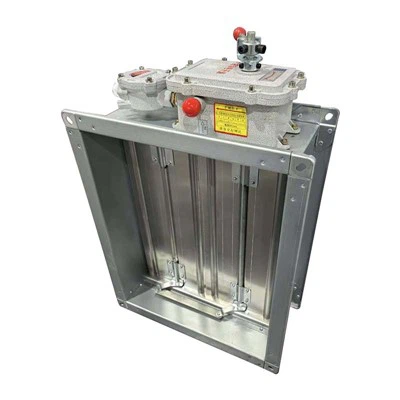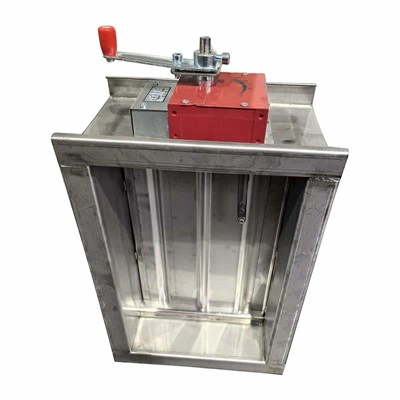
Valves, as core components of fluid control systems, come in a wide variety of types, each differing significantly in working principles, structural forms, performance characteristics, and applicable scenarios. Understanding these differences is crucial for correct selection and optimized system operation.
Structurally, gate valves rely on the vertical movement of a valve plate to achieve on/off switching. They have a straight flow path, low opening and closing resistance, and are suitable for large-diameter, fully open, or fully closed applications. Gate valves regulate flow by moving a valve disc along an axis. The sealing surface is easy to maintain, but flow resistance is higher, making them more suitable for small- to medium-diameter pipelines requiring precise adjustment. Ball valves control the medium by rotating a perforated ball 90°. They offer rapid opening and closing, reliable sealing, and are particularly suitable for quickly shutting off media containing particles or viscous substances. Butterfly valves regulate flow by rotating a disc-shaped valve plate around an axis. They are compact and low-cost, but have poor flow resistance and flow stability at small openings, and are mostly used in water treatment and HVAC systems.
In terms of functional focus, check valves are designed specifically to prevent backflow of media and lack active opening and closing capabilities. They are often linked with pumps, compressors, and other protective equipment. Control valves, on the other hand, achieve continuous changes in opening degree through an actuator to maintain dynamic stability of flow, pressure, or temperature, requiring high control precision and response speed.
The differences in materials and sealing methods are also crucial. Soft-seal valves use materials such as rubber and PTFE, achieving zero leakage, but with limited temperature and pressure resistance. Hard-seal valves use metal-to-metal connections, adapting to high-temperature, high-pressure, and abrasive conditions, but requiring higher processing precision and maintenance. Selecting appropriate materials based on media characteristics is fundamental to ensuring long-term valve operation.
Differences in actuation methods also affect the user experience. Manual valves are simple in structure and low in cost, suitable for small diameters or maintenance applications; electric, pneumatic, and hydraulic valves meet the needs of automation and remote control. Pneumatic and hydraulic valves, in particular, offer fast response and high thrust, suitable for emergency shut-off or large equipment applications.
The differences in application scenarios are even more pronounced. In the petrochemical industry, high temperature resistance, corrosion resistance, and sealing safety are paramount, often resulting in the selection of forged steel or alloy steel valves. Municipal water supply and drainage prioritizes economy and ease of maintenance, widely employing cast iron or ductile iron butterfly and gate valves. The power and nuclear power industries have stringent requirements for valve reliability, seismic resistance, and long service life, necessitating specialized certification.
In summary, the differences between valves lie not only in their structural appearance but also in their functional positioning, material selection, actuation methods, and adaptability to various operating conditions. A scientific understanding of these differences helps achieve optimal performance-cost matching in engineering practice, ensuring the safe, stable, and efficient operation of fluid systems.