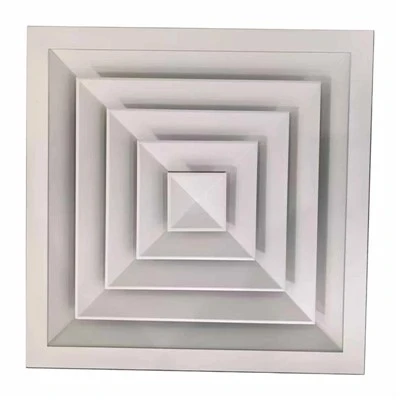
As terminal supply and exhaust air devices in building ventilation and air conditioning systems, air outlets play a crucial role in guiding, distributing, and regulating airflow. They are essential components for creating a comfortable indoor environment, ensuring air quality, and facilitating heat and moisture exchange. Their performance and arrangement directly affect system operating efficiency, noise levels, and the rationality of spatial airflow organization.
Functionally, air outlets are primarily used to introduce or exhaust treated air (supply air) or stale indoor air (exhaust air) into or out of a space in a specific direction and at a specific speed. Supply air outlets need to evenly diffuse or directionally deliver air based on indoor heat load, occupant distribution, and process requirements, forming a reasonable temperature and wind speed field; exhaust air outlets ensure the timely removal of pollutants, residual heat, and moisture, maintaining indoor air quality.
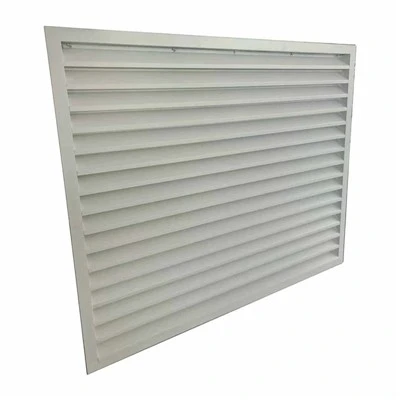
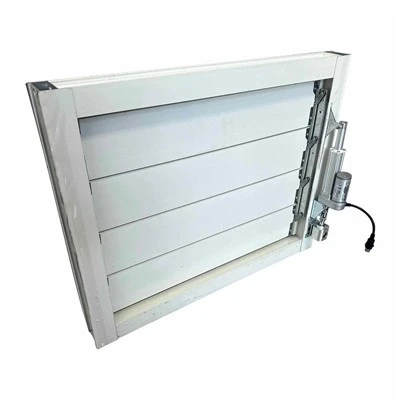
Structurally, air outlets typically consist of a frame, blades, a diffuser panel, and an adjustment mechanism. The frame connects to the building's decorative surface, balancing strength and aesthetics; the blades are adjustable in angle to control the airflow direction and range; the diffuser panel, through a perforated or grille design, allows for full diffusion of high-speed airflow, reducing the feeling of being blown around. Based on the air supply method, air outlets can be categorized into side air outlets, bottom air outlets, nozzles, and swirl outlets, each suited to different spatial heights and airflow patterns.
Regarding performance parameters, the air outlet's delivery velocity, effective range, diffusion radius, and noise level must be matched with the system's airflow and pressure. Excessive velocity can easily generate noise and localized discomfort, while insufficient velocity makes it difficult to create effective airflow. Aerodynamic design must consider the outflow angle, turbulence level, and temperature gradient to ensure proper mixing of hot and cold air and avoid short circuits or dead zones.
In terms of material selection, conventional air outlets use aluminum alloy, steel plate, or ABS engineering plastic, with surfaces treated with electrostatic spraying or anti-corrosion coating to adapt to different environmental requirements. Special locations such as cleanrooms and hospital operating rooms require stainless steel or antibacterial coating materials, meeting standards of easy cleaning and dust-free operation.
The placement of air outlets must be integrated with the building's spatial form and functional zoning. High-ceilinged spaces can utilize tiered air supply or swirl-flow vents to create attached jets; offices and conference rooms are best suited for grille or strip vents to achieve uniform and gentle airflow; industrial plants require larger vent areas and higher airflow rates to ensure sufficient air changes.
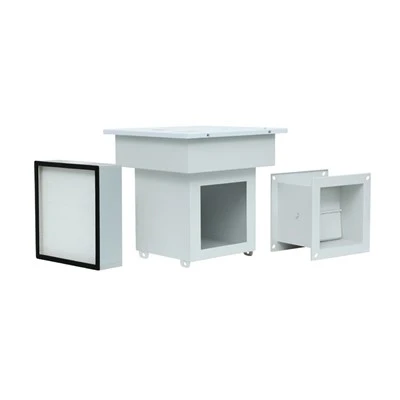
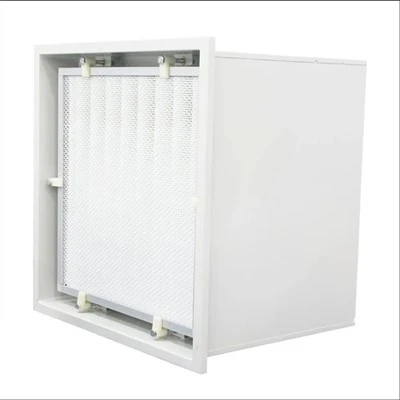
With the development of green building and intelligent control, air vents are increasingly incorporating adjustable airflow, temperature control linkage, and air purification modules to achieve on-demand air supply and energy efficiency optimization. Their design and selection have evolved from simple air distribution components to system integration nodes that balance comfort, health, and energy efficiency.
Although small in size within a system, air vents are the final executors of airflow organization. Scientifically designed and applied air vents not only improve indoor air quality and user experience but also provide a solid foundation for building energy conservation and operational cost control.