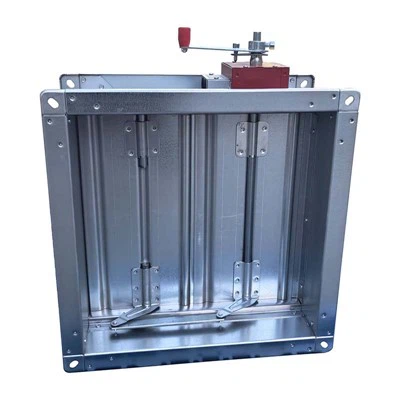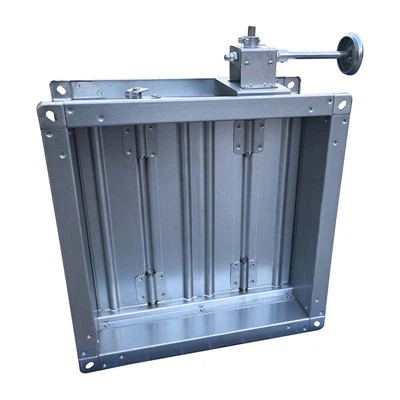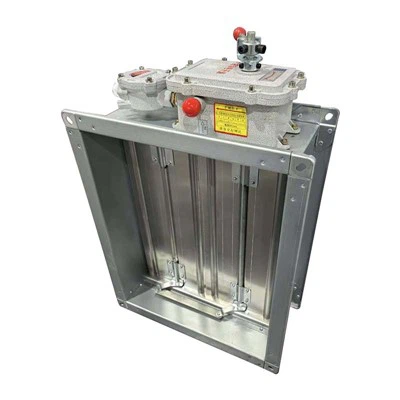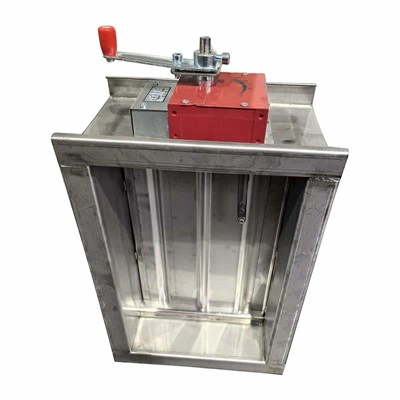
Micro-perforated plate silencers, due to their robust structure and lack of sound-absorbing material filling, are simpler to maintain than traditional silencers in daily life. However, a standardized maintenance procedure is still necessary to maintain their acoustic performance and structural integrity. Scientific routine maintenance can not only detect potential problems in time but also prevent performance degradation caused by environmental factors or changes in operating conditions.
First, visual inspection is the foundation of maintenance. The outer casing should be regularly inspected for deformation, rust, or weld cracks, especially for silencers installed outdoors, where the integrity of the anti-corrosion coating should be checked. The surface of the micro-perforated plate should be kept flat. If local dents, blocked perforations, or scratches are found, they should be recorded promptly and their impact on acoustic performance assessed. For minor rust, it can be sanded with fine sandpaper and recoated with anti-corrosion paint; severe damage requires replacement of the corresponding parts.
Second, cleaning the internal cavity and micro-perforated plate is particularly important. Although the micro-perforated plate structure is not prone to dust accumulation, in dusty, high-humidity, or oil-mist environments, particulate matter may still adhere to the orifices, affecting the entry and dissipation of sound waves. During maintenance, use dry compressed air or a soft brush to gently clean; avoid using sharp tools to puncture the micropores to prevent permanent damage. In environments requiring high cleanliness, the outer casing can be wiped with a lint-free cloth and neutral detergent to ensure no contaminant residue remains.
Sealing checks are also crucial. Flange gaskets or sealing rings at the connection between the silencer and piping should be checked regularly to ensure they are free from aging, cracking, or loosening. Sealing failure can lead to sound leakage or airflow short-circuiting, reducing the silencer's effectiveness and potentially causing localized eddy noise. If any abnormalities are found, the seals should be replaced promptly, and bolts tightened to the original installation torque.
Furthermore, for silencers installed near vibrating equipment, the stability of the mounting brackets and hangers should be checked to prevent structural fatigue or displacement due to prolonged vibration. If necessary, damping pads can be added or the installation position adjusted to reduce the impact of mechanical stress on the micro-perforated plate and casing.
The maintenance cycle needs to be determined based on environmental conditions and operating intensity. A comprehensive inspection is recommended quarterly for general industrial environments, but monthly is recommended for high-dust, high-humidity, or corrosive environments. All inspections and maintenance should be documented to track equipment status and maintenance history.
Through systematic daily maintenance, micro-perforated plate silencers can maintain stable acoustic performance and structural safety under complex operating conditions, extend their service life, and ensure continuous and reliable noise control for ventilation and power systems.