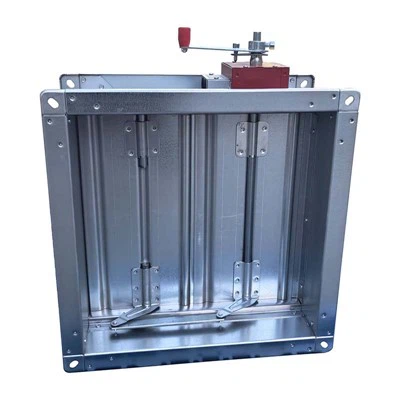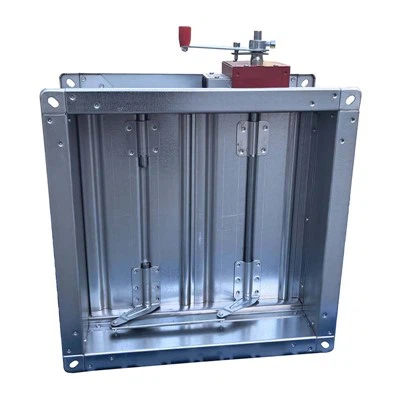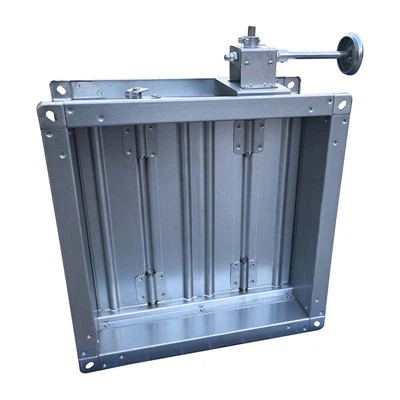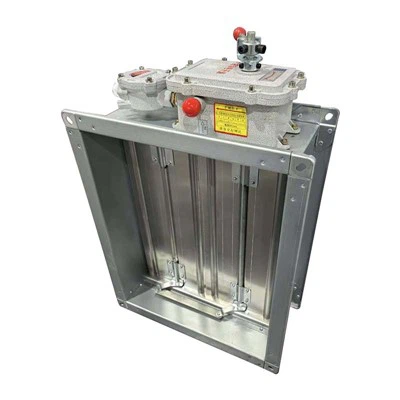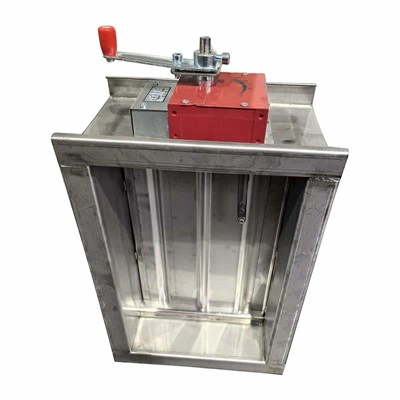
As the terminal actuators of building ventilation and air conditioning systems, air vents are crucial not only for their basic function of air delivery but also for their decisive impact on indoor environmental quality, system operating efficiency, and user health and safety. In complex building spaces, air vents are the final implementation point of airflow organization strategies, directly determining how air is delivered, distributed, and exhausted, thus occupying an irreplaceable position in the entire HVAC system.
First, air vents are a core tool for creating a comfortable indoor environment. Through reasonable air supply patterns, angles, and speed control, air vents can evenly distribute hot and cold air to the target area, avoiding temperature stratification, dead air zones, and the discomfort of direct airflow. In various buildings such as offices, commercial buildings, medical buildings, and educational buildings, a well-arranged air vent system can create a stable and pleasant microclimate, allowing people to maintain high work efficiency and physical and mental comfort during extended stays.
Second, air vents play a key role in ensuring air quality. An effective supply and exhaust air layout can continuously dilute and remove indoor pollutants, excess heat, and moisture, maintaining standard ventilation efficiency. In environments with high cleanliness requirements, such as operating rooms, laboratories, and pharmaceutical workshops, the structural design, material selection, and installation precision of air vents directly affect the level of microbial and particulate control, serving as the first line of defense for ensuring production safety and personnel health.
The importance of air vents is equally prominent in energy efficiency management. Scientific selection and placement of air vents can reduce system operating resistance, decrease energy consumption of fans and pumps, and avoid energy waste caused by excessive ventilation through on-demand airflow. Combined with intelligent control technology, air vents can dynamically adjust airflow and direction according to changes in indoor load, enabling the system to achieve significant energy savings while meeting environmental standards, providing technical support for green building and low-carbon operation.
Furthermore, the impact of air vents on system stability and maintenance costs cannot be ignored. A well-designed air vent facilitates daily cleaning and maintenance, reducing performance degradation caused by dust accumulation, corrosion, or component aging. Durable materials and leak-proof structures can extend the service life of air vents and even the entire ventilation system, reducing total life cycle costs.
In summary, the importance of air vents permeates the entire process of design, construction, operation, and maintenance. It is not only the foundation for achieving air quality and thermal comfort, but also a key element in improving system energy efficiency, ensuring health and safety, and reducing operation and maintenance costs. Neglecting the scientific configuration and meticulous management of air vents often weakens the effectiveness of the entire HVAC system and may even affect the building's usability. Therefore, fully recognizing and leveraging the important role of air vents is an indispensable part of modern building environmental control engineering.