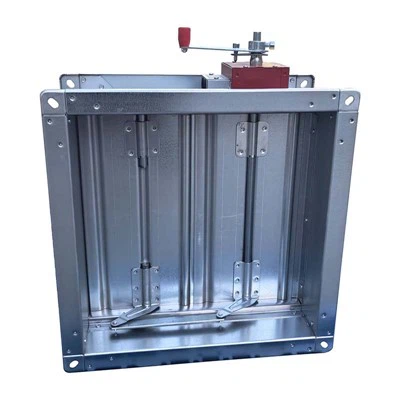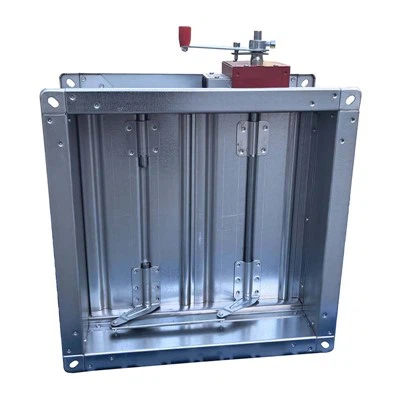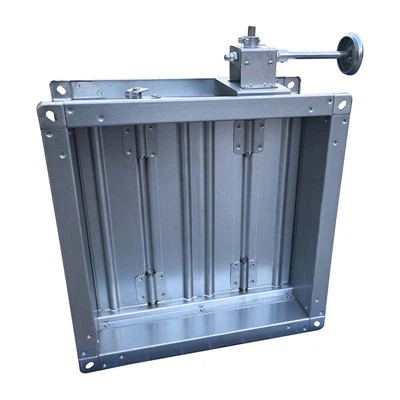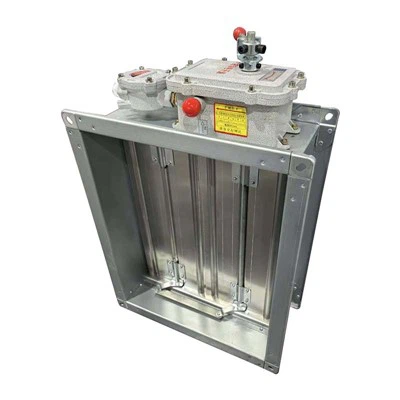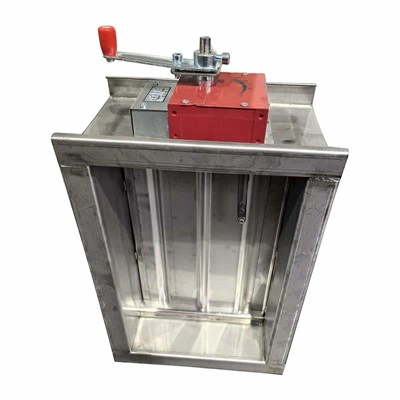
As the terminal execution unit of a building's ventilation and air conditioning system, the value of air vents extends far beyond the delivery and exhaust of air. They play an irreplaceable role in creating a comfortable indoor environment, ensuring air quality, optimizing system energy efficiency, and reducing life-cycle costs, serving as a crucial link between macro-system design and actual user experience.
Firstly, air vents have direct value in improving indoor environmental comfort. Through precise airflow organization, vents can deliver treated air to work and living spaces at appropriate speeds and directions, avoiding direct cold airflow or heat stagnation, and eliminating temperature stratification and dead air zones. A reasonable arrangement and type of air vent can make the indoor temperature and airflow fields more uniform, providing users with a quiet, gentle, and stable microclimate environment, significantly improving the livability and user satisfaction of the space.
Secondly, air vents make outstanding contributions to ensuring air quality and health and safety. Effective supply and exhaust layouts can continuously dilute and remove indoor pollutants, excess heat, and moisture, maintaining good ventilation efficiency. In hospitals, laboratories, food processing workshops, and other environments with extremely high cleanliness requirements, the antibacterial properties, easy-to-clean structure, and dust-proof design of air vent materials directly affect the control level of pathogenic microorganisms and harmful particles, thereby protecting personnel health and product quality.
From an energy efficiency management perspective, the value of air vents lies in optimizing system energy consumption. Through scientific selection and placement, air vents can reduce system operating resistance, decrease the load on fans and pumps, and avoid excessive air supply and short-circuit recirculation. Adjustable air vents combined with intelligent control can achieve on-demand air supply, dynamically adjusting airflow and direction according to load changes, thereby minimizing energy consumption while meeting indoor environmental standards, supporting the achievement of green building and low-carbon operation goals.
Furthermore, air vents also have long-term value in reducing operation and maintenance costs and extending system lifespan. Durable materials and anti-corrosion treatments ensure stable performance of air vents in humid and corrosive environments, reducing replacement frequency; easy-to-disassemble structures facilitate regular maintenance and cleaning, reducing labor and time costs. A reasonable air vent layout can also reduce the burden on main ducts and equipment, indirectly extending the service life of the entire HVAC system. In summary, the value of air vents extends throughout their entire lifecycle, from design and construction to operation and maintenance. They are not only a fundamental tool for achieving air quality and thermal comfort, but also a crucial lever for improving system energy efficiency and economic benefits. In today's world, where the built environment is receiving increasing attention, fully exploring and realizing the multidimensional value of air vents is of profound significance for building healthy, energy-efficient, and sustainable building spaces.