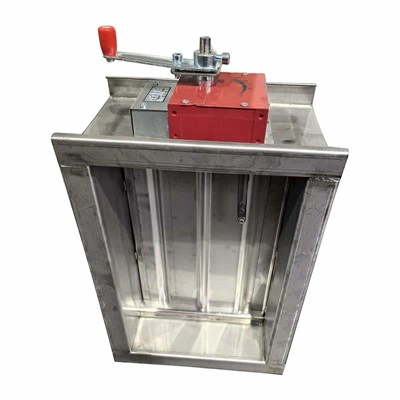
The air vent method refers to a series of design, layout, adjustment, and evaluation strategies adopted in building ventilation and air conditioning systems, focusing on the supply and exhaust air terminal devices, aiming to achieve the desired airflow organization effect and indoor environmental quality. This method integrates aerodynamic principles, spatial functional requirements, and energy efficiency targets, and is a core technical path to ensure efficient system operation and a comfortable experience.
In the design phase, the air vent method is first reflected in selection analysis. The air supply form and vent type must be determined by considering the space height, functional zoning, and load distribution. For example, swirl vents or nozzles are suitable for high-ceilinged spaces to form attached jets and reduce temperature stratification; grilles or strip vents are suitable for low-ceilinged office areas to achieve uniform and gentle airflow. During the selection process, air volume, air velocity, and range must be calculated simultaneously to ensure that the airflow covers the target area without causing localized overcooling or overheating.
The layout method is a key aspect of the air vent strategy. It should follow the principle of "uniform distribution and clear distinction between primary and secondary vents," with main vents responsible for the main airflow delivery, and auxiliary vents used to eliminate dead zones and balance temperature differences. Ventilation outlets should be densely packed or additionally installed at the edges of spaces, near doors and windows, and around heat sources to prevent airflow short-circuiting and pollutant retention. For rectangular spaces, air outlets can be arranged diagonally or in a staggered pattern; circular halls can use a ring or radial arrangement to optimize air mixing efficiency.
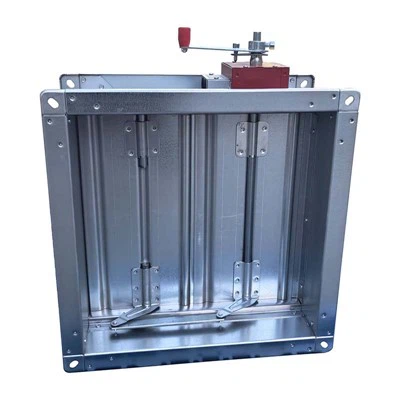
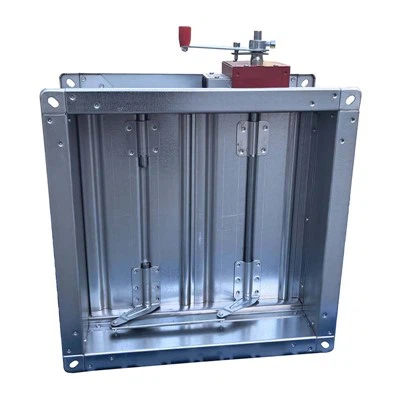
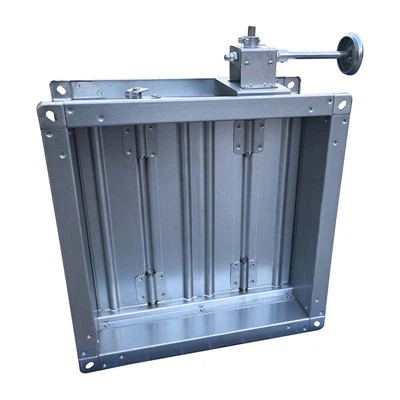
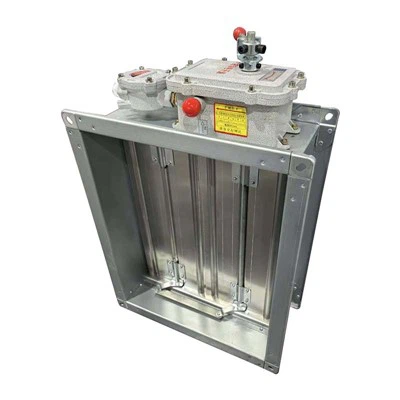
Adjustment methods give air outlets dynamic adaptability. Through adjustable blades, airflow regulating valves, or electric actuators, air outlets can adjust the outlet angle and airflow in real time according to seasonal changes, diurnal load fluctuations, and personnel density. Some systems incorporate temperature, humidity, or CO₂ sensors to achieve closed-loop control, ensuring that air supply parameters always match actual needs, thereby reducing energy consumption while maintaining comfort.
Evaluation and optimization methods are used throughout the entire project implementation process. During the design phase, computational fluid dynamics (CFD) can be used to simulate and predict airflow distribution, temperature field, and velocity field; after construction, on-site testing verifies wind speed, noise, and ventilation efficiency, and fine-tuning the angle or position of air outlets as necessary. Regular inspection and cleaning during the operation and maintenance phase are also necessary measures to maintain the long-term effectiveness of the air outlet system.
Air venting is not an isolated technical approach, but a comprehensive system closely integrated with duct system design, equipment selection, and intelligent control. Through scientific selection, rational layout, dynamic adjustment, and continuous evaluation, efficient, comfortable, and energy-saving airflow organization schemes can be constructed in complex building environments, providing a solid guarantee for the realization of building functions and the health of users.