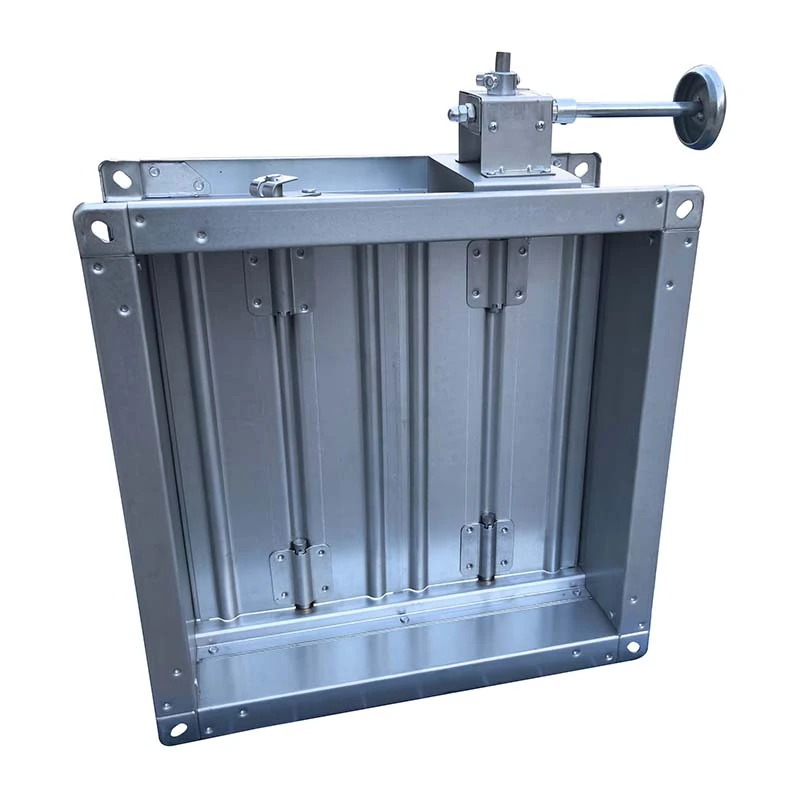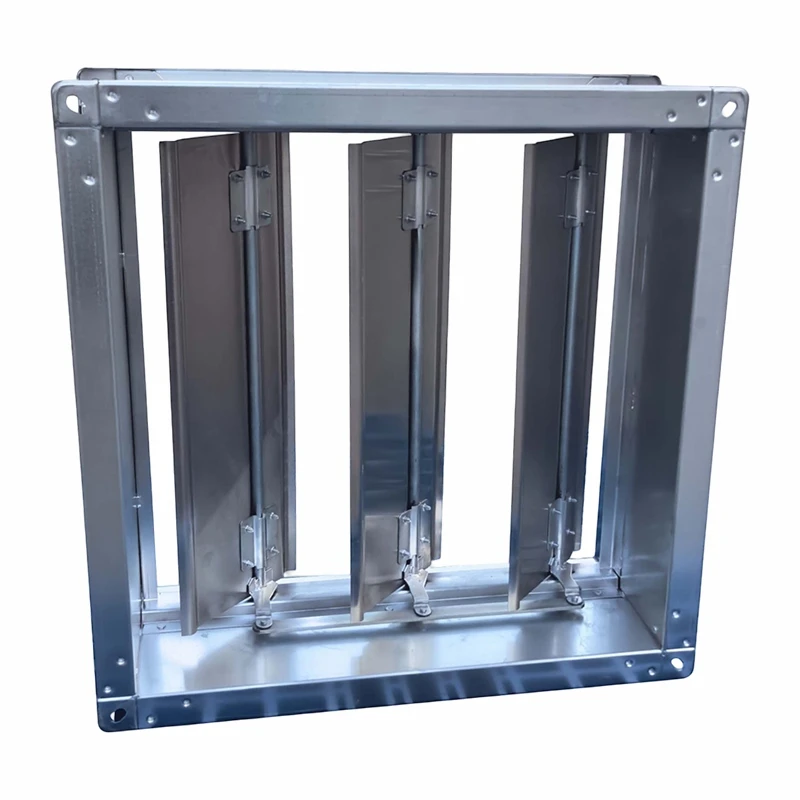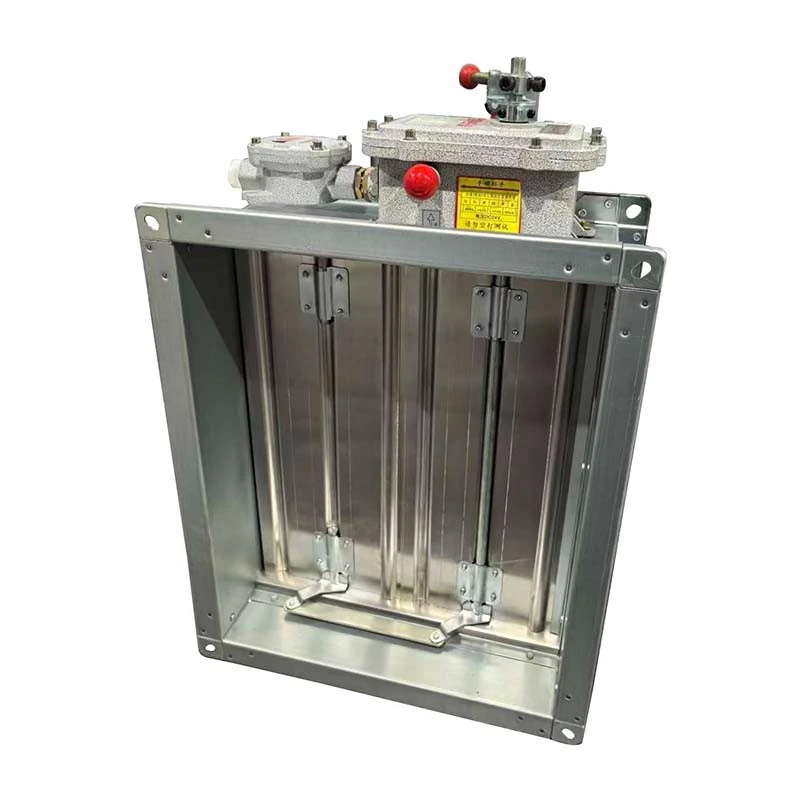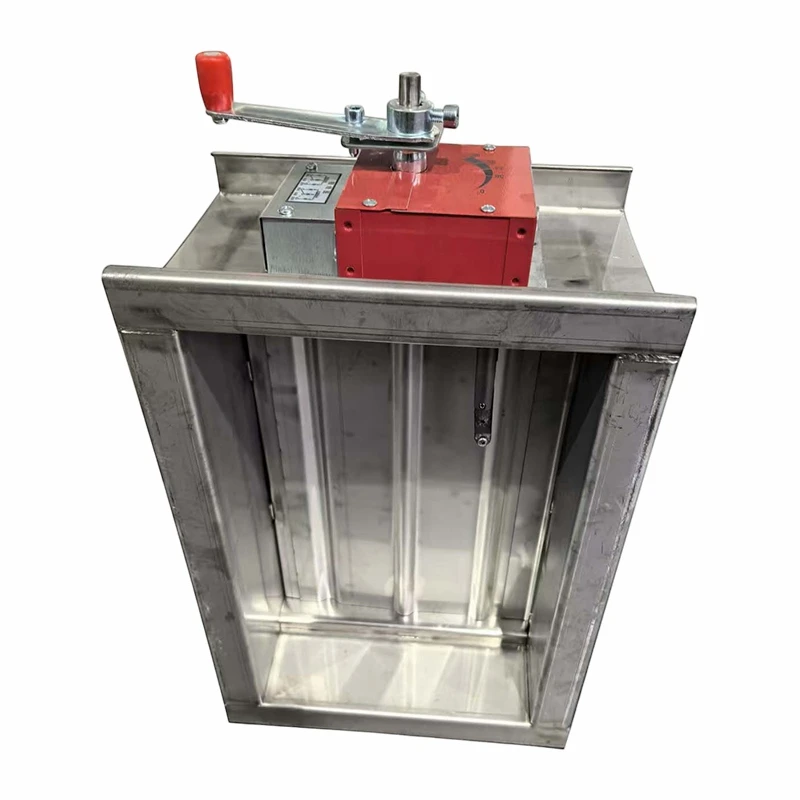
Valves have an extremely wide range of applications, encompassing almost all industrial and civil sectors involving fluid transport and control. From energy extraction to end-use consumption, from high-temperature, high-pressure industrial installations to low-pressure, ambient-temperature municipal pipelines, valves, with their diverse structural forms and performance parameters, construct a complete fluid control network.
In the energy and chemical industries, valves are critical equipment in oil and gas extraction, refining, storage, transportation, and chemical production. Crude oil and natural gas pipelines rely on large-diameter gate valves and ball valves for long-distance transport and station switching; in oil refining units, high-temperature, high-pressure hydrogenation and catalytic cracking processes require corrosion-resistant alloy valves and specialized control valves to handle complex media and severe operating conditions. Coal chemical and fine chemical industries place even higher demands on valve sealing performance, resistance to particle erosion, and anti-clogging capabilities.
In the power industry, valves are used throughout the entire process of thermal power, nuclear power, hydropower, and new energy power generation. Boiler feedwater, main and auxiliary steam pipelines, condensate recovery, and cooling water systems all require gate valves, globe valves, check valves, and safety valves to ensure stable unit operation under various loads. The nuclear power sector has particularly stringent requirements for valve reliability, seismic resistance, and nuclear-grade certification standards.
In municipal and civil facilities, valves are widely used in water supply and drainage, sewage treatment, HVAC, and fire protection systems. Water supply networks use butterfly valves and gate valves for zoned flow control and maintenance isolation; sewage treatment plants utilize corrosion-resistant valves for chemical dosing and sludge discharge; fire protection systems rely on the linkage of signal valves and alarm valves to ensure rapid response in emergencies.
In metallurgical, mining, and environmental engineering projects, valves must withstand harsh media such as high-temperature flue gas, dusty gases, and acid/alkali solutions. High-temperature butterfly valves, wear-resistant ball valves, and corrosion-lined valves play a crucial role in these scenarios, contributing to emission reduction, energy conservation, and production safety.
Furthermore, high-end sectors such as food and pharmaceuticals, shipbuilding, and aerospace place special demands on valves, requiring them to be clean, sterile, and operate at ultra-low temperatures or ultra-high pressures, thus driving the research and application of specialized valves.
Overall, valves encompass a wide range of fields, from conventional industries to cutting-edge technologies, and from large-scale infrastructure to precision process equipment. Their technological development and standardization not only support the safe operation of existing industries but also provide reliable fluid control solutions for emerging fields such as new energy, new materials, and intelligent manufacturing.