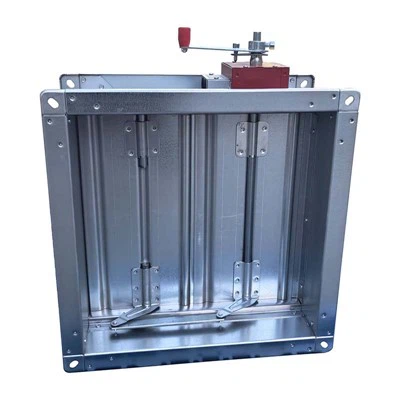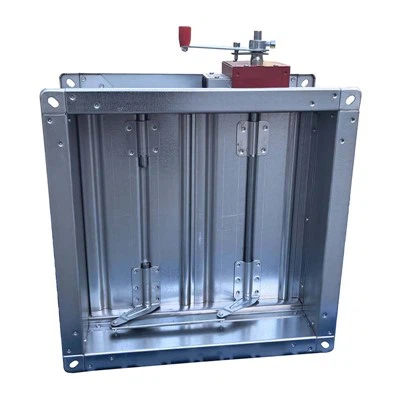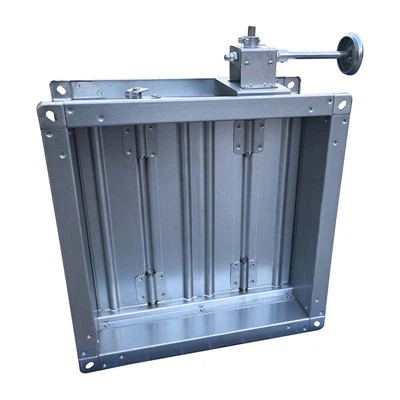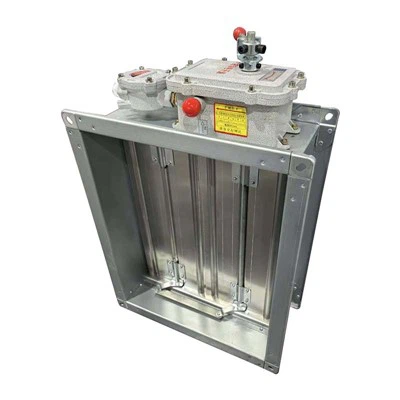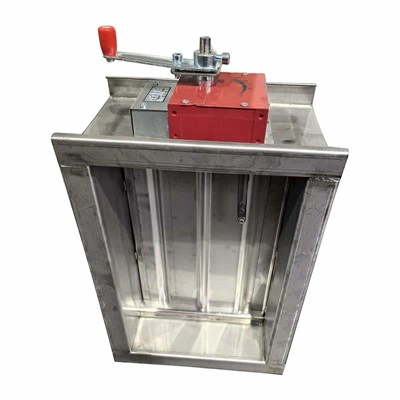
Valve performance is a core indicator of its stable, efficient, and safe operation in industrial applications, encompassing aspects such as sealing, strength, regulation accuracy, flow resistance characteristics, durability, and environmental adaptability. These performance indicators directly relate to the system's safety level, energy consumption level, and maintenance costs.
Sealing performance is the primary technical requirement for valves. A good seal prevents leakage of the medium under static or dynamic conditions, avoiding material loss, environmental pollution, and safety hazards. Soft seals can achieve zero leakage at normal temperature and pressure, while hard seals, through precise metal-to-metal fit, maintain reliable sealing in high-temperature, high-pressure, and particulate-containing media. Their performance depends on material hardness, machining accuracy, and surface finish.
Strength and pressure-bearing capacity are fundamental to maintaining the valve's structural integrity under pressure conditions. The valve body, valve cover, and connecting parts must be designed, calculated, and pressure-tested to ensure no deformation or cracking occurs under the maximum allowable working pressure and possible pressure fluctuations. Material selection, wall thickness design, and welding or casting quality are key factors affecting strength performance.
Regulation performance reflects the valve's ability to control flow rate. In the partially open state, the movement of the opening and closing components should be smooth, with a stable relationship between flow rate changes and opening degree, avoiding oscillations and jamming. This requires high precision in the transmission mechanism, stable guiding structure, and good dynamic response characteristics to meet the requirements of process automation.
Flow resistance performance affects system energy consumption. Valves with low flow resistance coefficients can reduce pressure loss during media transportation, lowering the energy consumption of pumps or compressors. Gate valves and ball valves have lower flow resistance at large opening degrees, while globe valves and butterfly valves have higher flow resistance at small opening degrees; therefore, the design must be optimized based on operating conditions.
Durability and fatigue resistance determine the service life of valves. Frequent opening and closing, high-speed scouring, or media corrosion accelerate component wear. High-quality valves extend their service life through wear-resistant materials, surface hardening treatment, and reasonable lubrication design.
Environmental adaptability requires valves to maintain stable performance under external conditions such as temperature, humidity, corrosion, and vibration. High-temperature valves need to consider thermal expansion and material creep, low-temperature valves need to prevent embrittlement, and corrosive environments require corrosion-resistant alloys or lining protection.
In summary, valve performance is the result of a deep match between structure, materials, manufacturing processes, and operating conditions. Improving performance not only relies on advanced manufacturing technologies but also requires the establishment of a comprehensive testing and quality control system to provide safe, efficient, and long-term operational assurance for industrial fluid systems.