
What is the sound insulation performance of a plate silencer?
As a professional plate silencer supplier, I've had the privilege of delving deep into the world of acoustic solutions. Plate silencers play a crucial role in various industries, from manufacturing plants to commercial buildings, by reducing noise levels and creating a more comfortable environment. In this blog post, I'll explore the sound insulation performance of plate silencers, how it's measured, and the factors that influence it.
Understanding Sound Insulation and Plate Silencers
Sound insulation is the ability of a material or structure to reduce the transmission of sound from one area to another. Plate silencers are designed to absorb and dissipate sound energy, thereby reducing the noise that passes through them. They are typically used in ventilation systems, exhaust ducts, and other applications where noise control is essential.
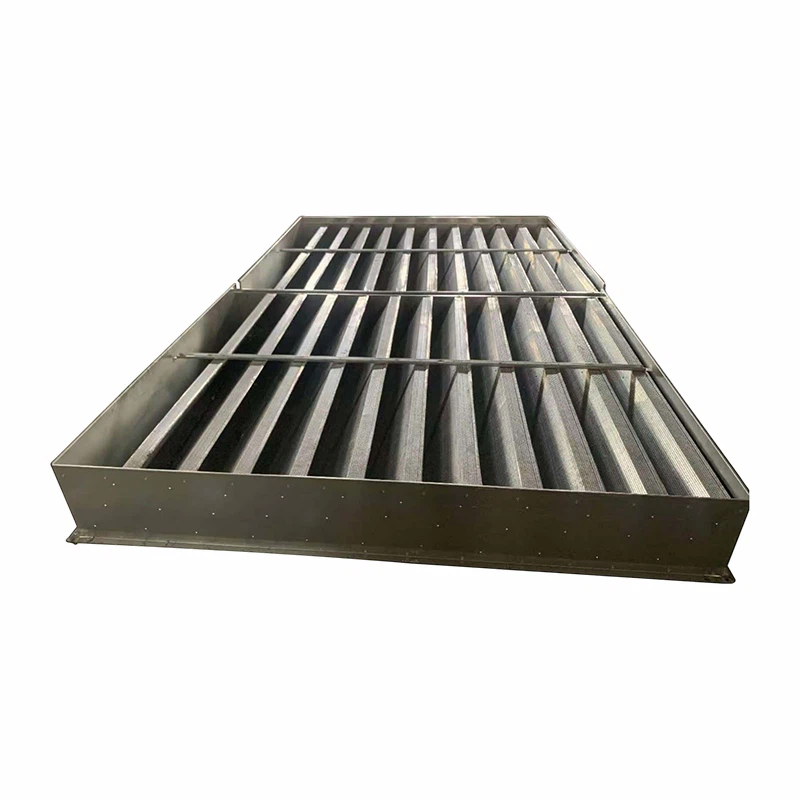
The basic principle behind a plate silencer is the use of sound-absorbing materials, such as fiberglass or mineral wool, which are placed between metal plates. When sound waves enter the silencer, they are absorbed by the material, converting the sound energy into heat. This process reduces the intensity of the sound and minimizes its transmission through the silencer.
Measuring Sound Insulation Performance
The sound insulation performance of a plate silencer is typically measured using two main parameters: insertion loss and transmission loss.
- Insertion Loss: This is the difference in sound level before and after the silencer is installed. It measures the effectiveness of the silencer in reducing the noise level in a specific location. Insertion loss is usually expressed in decibels (dB) and is measured at different frequencies to account for the varying characteristics of different types of noise.
- Transmission Loss: This is the ratio of the sound power incident on the silencer to the sound power transmitted through it. It provides a measure of the silencer's ability to block sound from passing through. Transmission loss is also expressed in decibels and is measured over a range of frequencies.
Both insertion loss and transmission loss are important indicators of a plate silencer's sound insulation performance. A higher value for either parameter indicates better sound insulation.
Factors Affecting Sound Insulation Performance
Several factors can influence the sound insulation performance of a plate silencer. These include:
- Material Selection: The choice of sound-absorbing material is crucial. Different materials have different absorption characteristics, and the selection depends on the frequency range of the noise to be reduced. For example, fiberglass is effective at absorbing high-frequency noise, while mineral wool is better for low-frequency noise.
- Thickness and Density: The thickness and density of the sound-absorbing material also play a role. Generally, thicker and denser materials provide better sound insulation. However, there is a trade-off between thickness and space requirements, as well as cost.
- Design and Construction: The design of the plate silencer, including the shape, size, and arrangement of the plates and the sound-absorbing material, can significantly affect its performance. A well-designed silencer will have a uniform distribution of sound-absorbing material and a smooth flow path to minimize turbulence and maximize sound absorption.
- Installation: Proper installation is essential for achieving optimal sound insulation performance. The silencer should be installed correctly, with no gaps or leaks that could allow sound to bypass the silencer.
Applications of Plate Silencers
Plate silencers are used in a wide range of applications, including:
- Ventilation Systems: In commercial and industrial buildings, plate silencers are used to reduce the noise generated by ventilation fans and air ducts. This helps to create a more comfortable working environment and comply with noise regulations.
- Exhaust Systems: In factories and power plants, plate silencers are used to reduce the noise emitted by exhaust gases. This is important for protecting the health of workers and minimizing the impact on the surrounding environment.
- HVAC Systems: In heating, ventilation, and air conditioning (HVAC) systems, plate silencers are used to reduce the noise generated by the equipment and the airflow. This improves the comfort of the building occupants and reduces the noise pollution.
Comparison with Other Soundproofing Solutions
While plate silencers are effective at reducing noise, there are other soundproofing solutions available, such as Noise Reducing Shades and Silencer Elbow. Each solution has its own advantages and disadvantages, and the choice depends on the specific application and requirements.
- Noise Reducing Shades: These are window shades that are designed to absorb and block sound. They are a cost-effective solution for reducing noise in residential and commercial buildings. However, they are limited in their ability to reduce high-frequency noise and may not be suitable for applications where a high level of sound insulation is required.
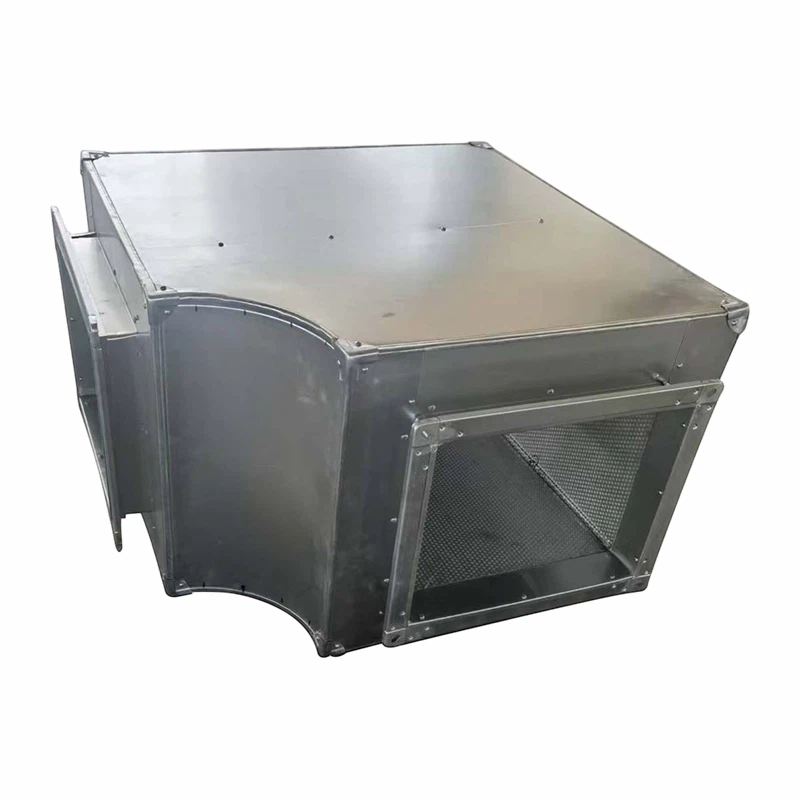
- Silencer Elbow: This is a type of silencer that is designed to be installed at the elbow of a duct. It is effective at reducing noise in ventilation systems and can be used in combination with plate silencers for even better sound insulation. However, it is more expensive than plate silencers and may require more space for installation.
Our Plate Silencer Products
As a plate silencer supplier, we offer a wide range of products to meet the diverse needs of our customers. Our plate silencers are made from high-quality materials and are designed to provide excellent sound insulation performance. We also offer custom design and manufacturing services to ensure that our products meet the specific requirements of each application.
Our Micro-perforated Plate Silencer is a popular product that is designed to provide high-performance sound insulation in a compact and lightweight package. It uses micro-perforated plates to absorb and dissipate sound energy, and it is suitable for a wide range of applications, including ventilation systems, exhaust systems, and HVAC systems.
Conclusion
In conclusion, the sound insulation performance of a plate silencer is determined by several factors, including the material selection, thickness and density, design and construction, and installation. By understanding these factors and choosing the right plate silencer for your application, you can effectively reduce noise levels and create a more comfortable environment.
If you are interested in learning more about our plate silencer products or have any questions about sound insulation, please feel free to contact us. We would be happy to discuss your needs and provide you with a customized solution.
References
- Beranek, L. L. (1988). Noise and vibration control engineering: Principles and applications. John Wiley & Sons.
- Kryter, K. D. (1994). The handbook of hearing and the effects of noise: Physiology, psychology, and public health. Academic Press.
- Sabine, W. C. (1922). Collected papers on acoustics. Harvard University Press.