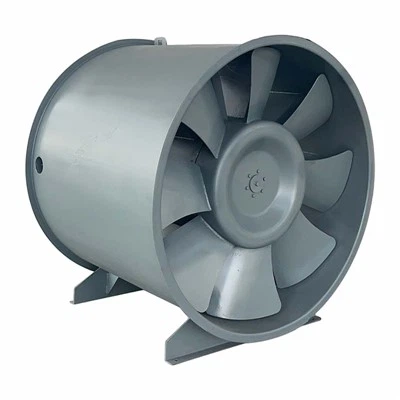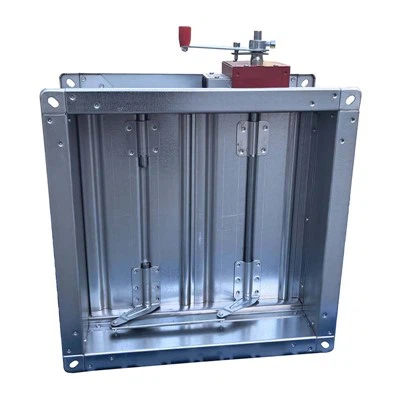

As a supplier of Jet Induced Draft Fans, I often get asked if these fans can be used in outdoor environments. It's a valid question, and one that I'm happy to shed some light on.
Let's start by understanding what a Jet Induced Draft Fan is. These fans work on the principle of inducing air movement through the use of high - velocity jets of air. They are designed to move large volumes of air, and they're quite efficient at it.
Suitability for Outdoor Use
Advantages
One of the biggest advantages of using a Jet Induced Draft Fan outdoors is its ability to handle large - scale air movement. In outdoor settings, such as large industrial yards, construction sites, or open - air warehouses, there's a need to move significant amounts of air to maintain ventilation. Jet Induced Draft Fans can do just that. They can create a strong air current that helps in removing pollutants, dust, and stale air from the area.
Another plus is their flexibility. These fans can be easily installed in various outdoor locations. You can mount them on poles, walls, or even on mobile platforms. This makes them ideal for different types of outdoor applications. For example, at a construction site, you can move the fan around as the work progresses to ensure proper ventilation in different areas.
Challenges
However, there are also some challenges when using Jet Induced Draft Fans outdoors. The first one is the weather. Outdoor environments are exposed to all kinds of weather conditions, including rain, snow, and extreme temperatures. These can take a toll on the fan. For instance, rain can cause corrosion of the fan's components, and extreme cold can affect the motor's performance.
Another challenge is the presence of debris. In outdoor areas, there's a lot of dust, leaves, and other debris floating around. This debris can get into the fan and cause damage to the blades or other internal parts. It can also reduce the fan's efficiency over time.
Protecting the Fan in Outdoor Environments
To overcome these challenges, there are several steps that can be taken. First, proper enclosures can be used to protect the fan from the elements. A weather - proof housing can prevent rain and snow from reaching the fan's internal components. This housing should be made of a durable material that can withstand the harsh outdoor conditions.
Regular maintenance is also crucial. This includes cleaning the fan regularly to remove any debris that may have accumulated. Inspecting the fan for any signs of wear and tear, and replacing any damaged parts in a timely manner.
Comparison with Other Fan Types
When considering outdoor use, it's also important to compare Jet Induced Draft Fans with other types of fans. For example, Centrifugal Fire Smoke Exhaust Fan is another option. Centrifugal fans are known for their high - pressure capabilities, which can be useful in some outdoor applications where there's a need to push air through a duct system. However, they may not be as efficient as Jet Induced Draft Fans when it comes to large - scale, open - air ventilation.
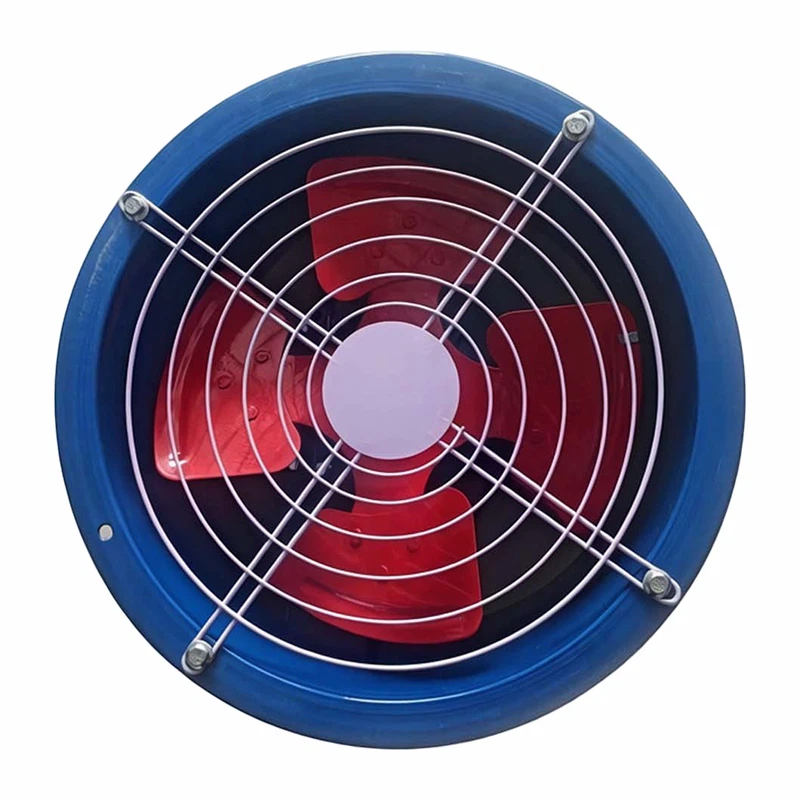
Fan Axial Flow and in Axial Flow Fans are also commonly used in outdoor settings. Axial flow fans move air parallel to the axis of the fan, and they are often used for general ventilation. They are relatively simple in design and can be cost - effective. But Jet Induced Draft Fans have an edge when it comes to creating a more powerful and directed air flow, which can be beneficial in outdoor areas with specific ventilation requirements.
Real - World Applications
Let's look at some real - world examples of Jet Induced Draft Fans being used outdoors. In large industrial complexes, these fans are used to ventilate large open areas where there are processes that generate a lot of heat and pollutants. For example, in a steel manufacturing plant, the fan can help in removing the hot air and fumes generated during the production process.
At a large - scale agricultural facility, Jet Induced Draft Fans can be used to maintain proper air circulation in open - air barns. This helps in keeping the animals healthy by reducing the levels of ammonia and other harmful gases.
Conclusion
So, can a Jet Induced Draft Fan be used in outdoor environments? The answer is yes, but with some considerations. While they offer many advantages in terms of air movement and flexibility, they also face challenges due to the outdoor conditions. By taking the necessary steps to protect the fan and ensuring regular maintenance, these fans can be a great solution for outdoor ventilation needs.
If you're in the market for a Jet Induced Draft Fan for your outdoor project, I'd love to have a chat with you. We can discuss your specific requirements and find the best solution for you. Don't hesitate to reach out and start a conversation about your procurement needs.

References
- Fan Engineering Handbook
- Industrial Ventilation Standards and Guidelines