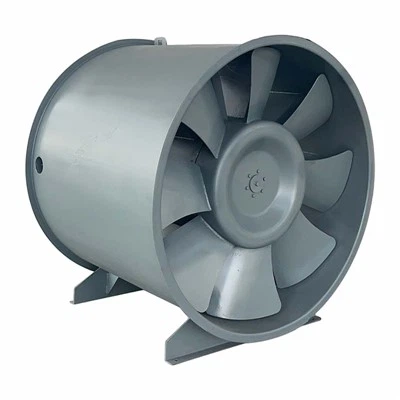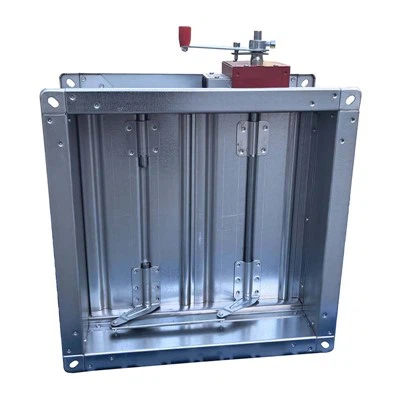

Hey guys! As a tuyere supplier, I've seen a lot of customers scratching their heads over choosing the right fuel for their tuyere - equipped furnaces. Today, I'm gonna share some tips on how to select the appropriate fuel for these furnaces.


First off, let's understand the basic types of fuels commonly used in tuyere - equipped furnaces. There are three main categories: solid fuels, liquid fuels, and gaseous fuels. Each type has its own set of characteristics, advantages, and drawbacks.
Solid Fuels
Solid fuels like coal, coke, and biomass are some of the oldest and most widely used fuels in industrial furnaces. Coal, for instance, is a popular choice due to its high energy density and relatively low cost. It can provide a steady source of heat for long - term operation. Coke, on the other hand, is a processed form of coal with a higher carbon content and fewer impurities. It burns more cleanly and efficiently, making it ideal for high - temperature applications. Biomass, such as wood chips or agricultural waste, is a renewable fuel source. It's environmentally friendly and can be a great option for those looking to reduce their carbon footprint.
However, solid fuels also have some downsides. They often require a more complex feeding system to ensure a consistent supply to the furnace. Also, the combustion of solid fuels can produce a significant amount of ash and pollutants, which need to be properly managed.
Liquid Fuels
Liquid fuels, such as diesel and heavy fuel oil, are known for their high energy density and ease of storage and transportation. They can be easily pumped into the furnace, providing a quick and efficient way to start up the heating process. Diesel is a clean - burning fuel that can be used in a variety of applications, from small - scale furnaces to large industrial ones. Heavy fuel oil, on the other hand, is a cheaper alternative but has a higher viscosity and requires pre - heating before use.
One of the main advantages of liquid fuels is their ability to provide a high heat output in a relatively short period. However, they are more expensive than solid fuels and can be subject to price fluctuations in the market.
Gaseous Fuels
Gaseous fuels, like natural gas and propane, are becoming increasingly popular due to their clean - burning properties. Natural gas is a widely available fuel that produces fewer emissions compared to solid and liquid fuels. It can be easily regulated to control the heat output of the furnace, making it a great choice for applications that require precise temperature control. Propane is another gaseous fuel that is commonly used, especially in smaller furnaces or in areas where natural gas is not readily available.
The main advantage of gaseous fuels is their low environmental impact. They produce less ash and pollutants, which can help reduce the maintenance requirements of the furnace. However, they require a reliable supply infrastructure, and in some cases, the cost of installation can be relatively high.
Factors to Consider When Selecting Fuel
Now that we've covered the different types of fuels, let's talk about the factors you should consider when choosing the appropriate fuel for your tuyere - equipped furnace.
1. Furnace Design and Capacity
The design and capacity of your furnace play a crucial role in determining the type of fuel you should use. Some furnaces are specifically designed to burn a particular type of fuel. For example, a furnace with a high - velocity outlet, like the High Velocity Outlet, may be better suited for gaseous fuels as they can be easily mixed with air and burned efficiently. On the other hand, a furnace with an intake louver vent, such as the Intake Louver Vent, may be more suitable for solid fuels as it can handle the larger particles and the flow of air required for combustion.
2. Heat Requirements
The amount of heat required by your furnace is another important factor. If you need a high - temperature furnace for processes like melting metals, you may need a fuel with a high energy density, such as coke or diesel. For lower - temperature applications, like drying or pre - heating, biomass or natural gas may be sufficient.
3. Cost
Cost is always a major consideration when choosing a fuel. You need to compare the cost of different fuels, taking into account not only the purchase price but also the cost of storage, transportation, and handling. In some cases, a more expensive fuel may be more cost - effective in the long run due to its higher efficiency and lower maintenance requirements.
4. Environmental Impact
In today's world, environmental concerns are becoming increasingly important. You should consider the environmental impact of the fuel you choose. Gaseous fuels generally have a lower environmental impact compared to solid and liquid fuels, as they produce fewer emissions. If you're operating in an area with strict environmental regulations, you may need to choose a fuel that meets those requirements.
5. Availability
The availability of the fuel is also a key factor. You need to ensure that the fuel you choose is readily available in your area. If you rely on a fuel that is difficult to obtain, it could lead to production delays and increased costs.
Our Tuyere Products and Fuel Compatibility
As a tuyere supplier, we offer a wide range of tuyere products, including the High Velocity Outlet, Intake Louver Vent, and Spherical Nozzle. Our tuyeres are designed to work efficiently with different types of fuels.
For example, our high - velocity outlet tuyeres are ideal for gaseous fuels as they can provide a high - speed flow of air and fuel mixture, ensuring efficient combustion. Our intake louver vent tuyeres are suitable for solid fuels as they can handle the large particles and the flow of air required for combustion. And our spherical nozzle tuyeres can be used with both liquid and gaseous fuels, providing a versatile solution for different furnace applications.
Conclusion
Selecting the appropriate fuel for a tuyere - equipped furnace is a complex decision that requires careful consideration of several factors. By understanding the different types of fuels, their characteristics, and the factors that influence your choice, you can make an informed decision that meets your specific needs.
If you're in the market for tuyeres or need advice on fuel selection for your furnace, don't hesitate to reach out. We're here to help you make the best choice for your business. Whether you're a small - scale operation or a large industrial facility, we have the expertise and products to meet your requirements. Let's start a conversation and find the perfect solution for you!
References
- Smith, J. (2018). Fuel Selection for Industrial Furnaces. Industrial Heating Journal.
- Johnson, A. (2019). Environmental Impact of Different Fuels in Furnace Operations. Environmental Science Review.
- Brown, C. (2020). Cost - Benefit Analysis of Fuel Choices for Furnaces. Energy Economics Journal.