
When it comes to optimizing the performance of HVAC (Heating, Ventilation, and Air Conditioning) systems, selecting the right static pressure box is crucial. As a supplier of Static Pressure Box, I understand the challenges and considerations that go into this decision. In this blog post, I will guide you through the process of choosing the appropriate static pressure box for a specific application.
Understanding Static Pressure Boxes
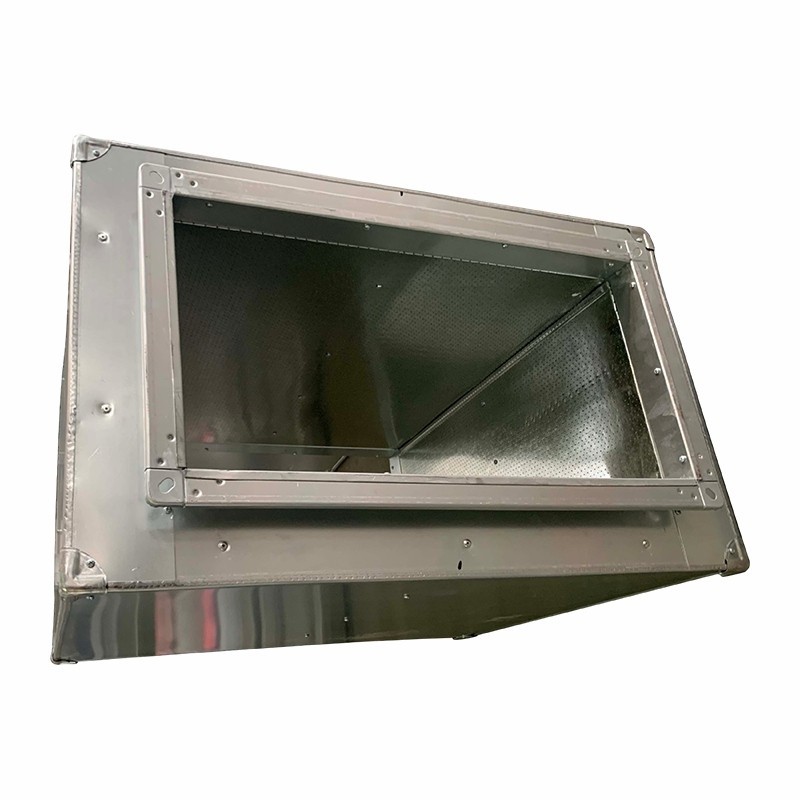
A static pressure box, also known as a plenum, is an essential component in HVAC systems. It serves multiple functions, including reducing air velocity, equalizing pressure, and distributing air evenly throughout the ductwork. By creating a stable environment for air flow, static pressure boxes help improve the efficiency and performance of HVAC systems.
Factors to Consider When Choosing a Static Pressure Box
1. Airflow Requirements
The first step in choosing the right static pressure box is to determine the airflow requirements of your HVAC system. This includes the volume of air that needs to be moved, the velocity of the air, and the pressure drop across the system. By understanding these factors, you can select a static pressure box that is capable of handling the required airflow without causing excessive pressure loss.
2. Size and Dimensions
The size and dimensions of the static pressure box are also important considerations. The box should be large enough to accommodate the airflow requirements of the system, but not so large that it becomes inefficient or takes up too much space. Additionally, the dimensions of the box should be compatible with the ductwork and other components of the HVAC system.
3. Material and Construction
The material and construction of the static pressure box can have a significant impact on its performance and durability. Common materials used for static pressure boxes include galvanized steel, aluminum, and fiberglass. Each material has its own advantages and disadvantages, so it's important to choose the one that is best suited for your specific application.
4. Noise Reduction
In many HVAC applications, noise reduction is a critical factor. Static pressure boxes can help reduce noise by dampening the sound of air flowing through the ductwork. To achieve this, you may want to consider using a Plate Silencer or a Micro-perforated Plate Silencer in conjunction with the static pressure box.
5. Installation and Maintenance
Finally, it's important to consider the installation and maintenance requirements of the static pressure box. The box should be easy to install and maintain, and it should be designed to withstand the rigors of daily use. Additionally, you should choose a supplier that offers reliable support and service to ensure that your static pressure box performs optimally over its lifespan.
Types of Static Pressure Boxes
There are several types of static pressure boxes available on the market, each designed to meet specific application requirements. Some of the most common types include:
1. Rectangular Static Pressure Boxes
Rectangular static pressure boxes are the most common type of static pressure box. They are typically used in commercial and industrial applications where space is limited. Rectangular boxes are available in a variety of sizes and configurations, and they can be customized to meet the specific needs of your HVAC system.
2. Round Static Pressure Boxes
Round static pressure boxes are often used in residential and small commercial applications. They are typically smaller in size than rectangular boxes, and they are designed to fit into tight spaces. Round boxes are also available in a variety of sizes and configurations, and they can be customized to meet the specific needs of your HVAC system.
3. Custom Static Pressure Boxes
In some cases, you may need a custom static pressure box that is designed to meet the specific requirements of your HVAC system. Custom boxes can be fabricated to any size and shape, and they can be made from a variety of materials. If you need a custom static pressure box, it's important to work with a supplier that has the experience and expertise to design and manufacture a box that meets your exact specifications.
Conclusion
Choosing the right static pressure box for a specific application is a critical decision that can have a significant impact on the performance and efficiency of your HVAC system. By considering the factors outlined in this blog post, you can select a static pressure box that is capable of meeting the airflow requirements of your system, reducing noise, and providing reliable performance over its lifespan.
If you have any questions or need assistance in choosing the right static pressure box for your application, please don't hesitate to contact us. Our team of experts is available to help you select the best solution for your needs and provide you with the support and service you deserve.

References
- ASHRAE Handbook of HVAC Systems and Equipment
- HVAC Systems Design Guide
- Static Pressure Box Manufacturer's Catalogs