
Hey there! As a supplier of Silencer Elbows, I've been getting a lot of questions lately about how these nifty devices affect airflow in a system. So, I thought I'd take a deep dive into this topic and share some insights with you.
First off, let's talk about what a Silencer Elbow is. It's a component used in ventilation and HVAC systems. It's basically an elbow-shaped piece that's designed to reduce noise while allowing air to flow through. You know, in a lot of systems, especially in commercial buildings or industrial setups, there's a lot of noise generated by the airflow. That's where the Silencer Elbow comes in.
Now, when it comes to airflow, there are a few key things to consider. One of the main factors is the shape of the elbow. The design of a Silencer Elbow is optimized to minimize disruptions to the airflow. Unlike a regular elbow, which can cause the air to swirl and create turbulence, a well - designed Silencer Elbow has a smooth interior surface and a carefully crafted shape. This helps the air to flow more smoothly around the bend.
Let's think about the science behind it. When air moves through a duct, it has a certain velocity and pressure. When it reaches an elbow, if the elbow is not designed properly, the air can hit the walls of the elbow at an angle, causing it to slow down and create eddies. These eddies can lead to increased resistance in the system, which means the fan has to work harder to push the air through.
A Silencer Elbow, on the other hand, is engineered to guide the air in a more efficient way. It has internal baffles or absorptive materials that help to straighten the airflow and reduce the formation of eddies. This results in less resistance, which in turn means that the system can operate more efficiently.

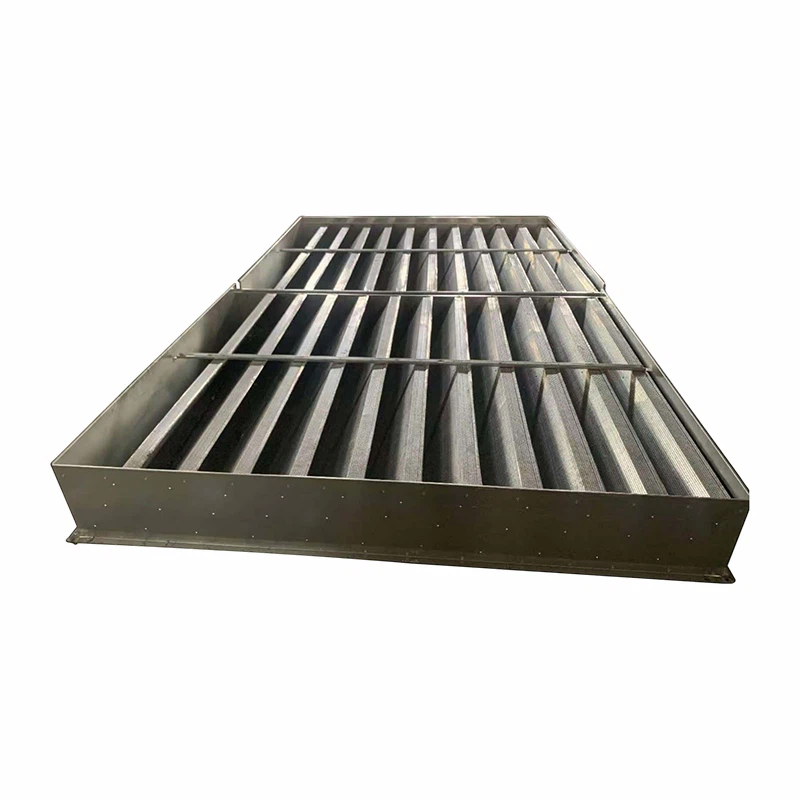
Another aspect to consider is the impact on static pressure. Static pressure is the pressure exerted by the air in the duct system. In a system with a poorly designed elbow, the static pressure can increase significantly. This can cause problems such as reduced airflow in other parts of the system and increased energy consumption. A Silencer Elbow helps to maintain a more stable static pressure by reducing the turbulence and resistance.
Now, let's talk about some of the related products that work in conjunction with Silencer Elbows. For example, the Micro-perforated Plate Silencer. This type of silencer uses micro - perforated plates to absorb sound waves. When used together with a Silencer Elbow, it can further enhance the noise - reduction capabilities of the system. The micro - perforated plates are designed to trap sound energy, while the Silencer Elbow guides the airflow in a way that minimizes noise generation.
The Static Pressure Box is another important component. It helps to equalize the static pressure in the system. When air passes through a Silencer Elbow, there can be some pressure variations. The Static Pressure Box can smooth out these variations, ensuring a more consistent airflow throughout the system.
And then there are Noise Reducing Shades. While they might not be directly related to the airflow in the duct system, they can play a role in overall noise reduction in a building. In a well - designed system, every little bit helps to create a quieter and more comfortable environment.
So, how does all this affect the overall performance of a system? Well, when you have a Silencer Elbow that's properly installed and integrated with other components, you can expect a more efficient airflow. This means that the system can deliver the required amount of air with less energy consumption. It also means that the noise levels in the building can be significantly reduced, which is a huge plus for occupants.
In terms of real - world applications, Silencer Elbows are used in a wide range of settings. In commercial buildings, they're used in HVAC systems to ensure that the air is circulated quietly and efficiently. In industrial facilities, they can be used to reduce the noise generated by large ventilation systems. And in data centers, where maintaining a stable environment is crucial, Silencer Elbows can help to ensure that the airflow is consistent and the noise levels are kept to a minimum.
If you're in the market for a Silencer Elbow or any of the related products, I'd love to have a chat with you. Whether you're a building owner, an HVAC contractor, or an engineer, I can provide you with the right solutions for your specific needs. We have a wide range of Silencer Elbows available, each designed to meet different requirements in terms of airflow, noise reduction, and system compatibility.
So, if you're interested in improving the airflow and reducing the noise in your system, don't hesitate to reach out. We can discuss your project in detail and find the best products for you.
References
- HVAC System Design Manual
- Noise Control Engineering Principles and Applications