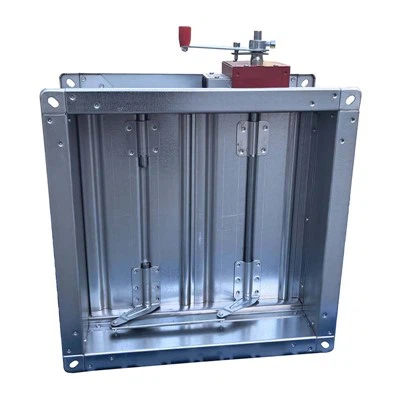

Hey there! As a tuyere supplier, I've seen firsthand the challenges that come with protecting tuyeres from high - temperature damage. In this blog, I'm gonna share some tips and tricks on how to keep your tuyeres in top shape, even when they're facing extreme heat.
Understanding the Problem
First off, let's talk about why high - temperature damage is such a big deal for tuyeres. When a tuyere is exposed to high temperatures, several things can happen. The material of the tuyere can start to degrade, which weakens its structure. This can lead to cracks, warping, and even complete failure. High temperatures can also cause the surface of the tuyere to oxidize, reducing its efficiency and lifespan.
Choosing the Right Material
One of the most important steps in protecting a tuyere from high - temperature damage is choosing the right material. Different materials have different heat resistance properties. For example, some metals like stainless steel can withstand relatively high temperatures, but they may still need additional protection in extremely hot environments.
Ceramics are another option. They have excellent heat resistance and can maintain their structural integrity at very high temperatures. However, ceramics can be brittle, so proper handling and installation are crucial.
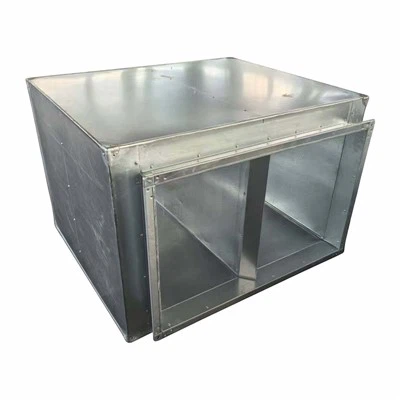
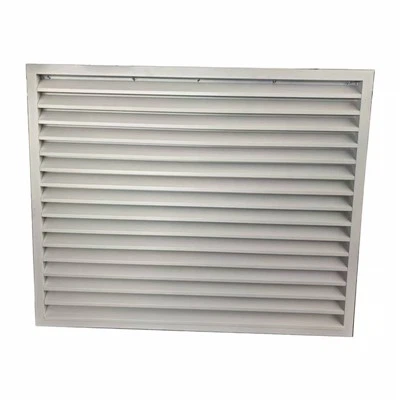
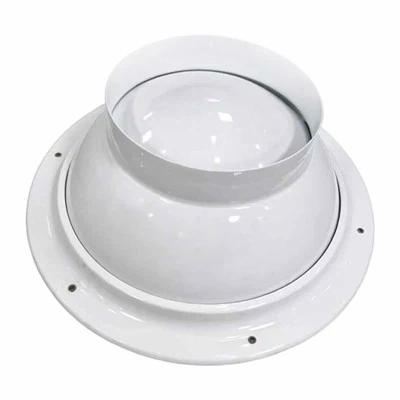
If you're looking for different types of tuyeres, we offer a variety of options. Check out our Strip Air Outlet, Swirl Air Outlet, and Gravity Louver Wall Vent. These products are made from high - quality materials that are designed to resist high - temperature damage.
Insulation
Insulation is a key factor in protecting tuyeres from high - temperature damage. By adding an insulating layer around the tuyere, you can reduce the amount of heat that reaches the tuyere itself. There are several types of insulation materials available, such as fiberglass, ceramic fiber, and mineral wool.
Fiberglass insulation is a popular choice because it's relatively inexpensive and easy to install. Ceramic fiber insulation, on the other hand, offers better heat resistance and is more suitable for extremely high - temperature applications. Mineral wool insulation is also a good option as it provides good thermal insulation and is fire - resistant.
Cooling Systems
In some cases, adding a cooling system to the tuyere can be an effective way to prevent high - temperature damage. There are two main types of cooling systems: air - cooling and water - cooling.
Air - cooling systems work by blowing cool air over the surface of the tuyere. This helps to dissipate the heat and keep the temperature of the tuyere within a safe range. Water - cooling systems, on the other hand, use water to absorb the heat from the tuyere. They are more efficient than air - cooling systems but require more complex installation and maintenance.
Regular Maintenance
Regular maintenance is essential for protecting tuyeres from high - temperature damage. This includes inspecting the tuyeres for signs of wear and tear, such as cracks, corrosion, or deformation. If any issues are found, they should be addressed immediately to prevent further damage.
Cleaning the tuyeres regularly is also important. Dust and debris can accumulate on the surface of the tuyere, which can reduce its heat transfer efficiency and increase the risk of high - temperature damage. Use a soft brush or compressed air to remove any dirt or debris from the tuyere.


Monitoring and Control
Monitoring the temperature of the tuyere is crucial for preventing high - temperature damage. You can use temperature sensors to measure the temperature of the tuyere and set up an alarm system to alert you if the temperature exceeds a certain threshold.
In addition to temperature monitoring, you can also control the flow of air or other fluids through the tuyere to regulate its temperature. By adjusting the flow rate, you can ensure that the tuyere is operating within a safe temperature range.
Conclusion
Protecting a tuyere from high - temperature damage is a multi - faceted process that involves choosing the right material, adding insulation, using cooling systems, performing regular maintenance, and monitoring and controlling the temperature. By following these tips, you can extend the lifespan of your tuyeres and ensure that they operate efficiently in high - temperature environments.
If you're interested in purchasing high - quality tuyeres or need more information on how to protect them from high - temperature damage, feel free to reach out for a procurement discussion. We're here to help you find the best solutions for your needs.
References
- Smith, J. (2018). High - Temperature Materials and Their Applications. New York: Wiley.
- Johnson, A. (2020). Thermal Insulation for Industrial Equipment. London: Elsevier.
- Brown, C. (2019). Cooling Systems for High - Temperature Environments. Chicago: McGraw - Hill.