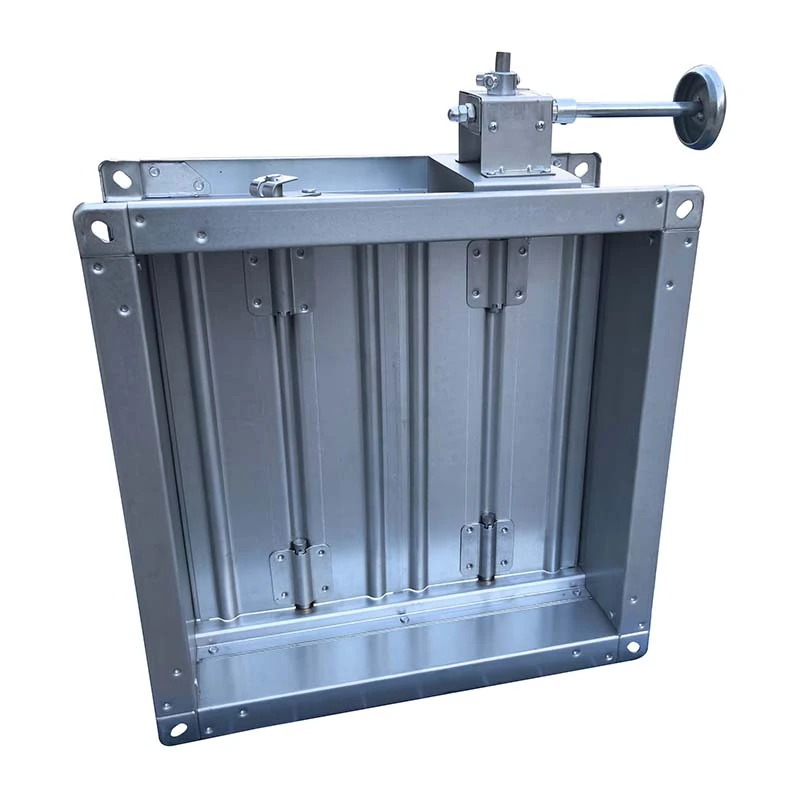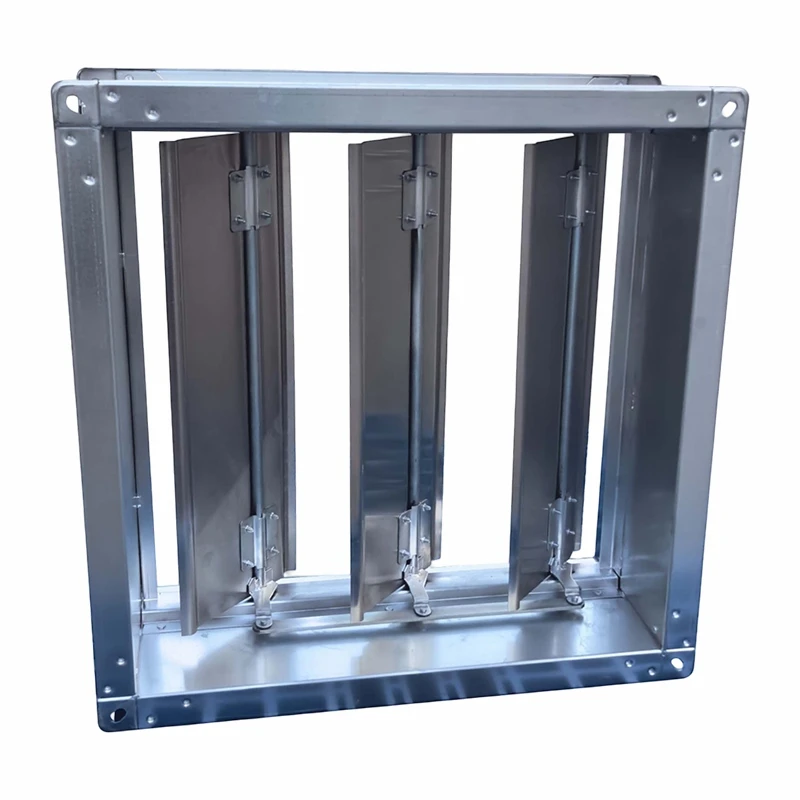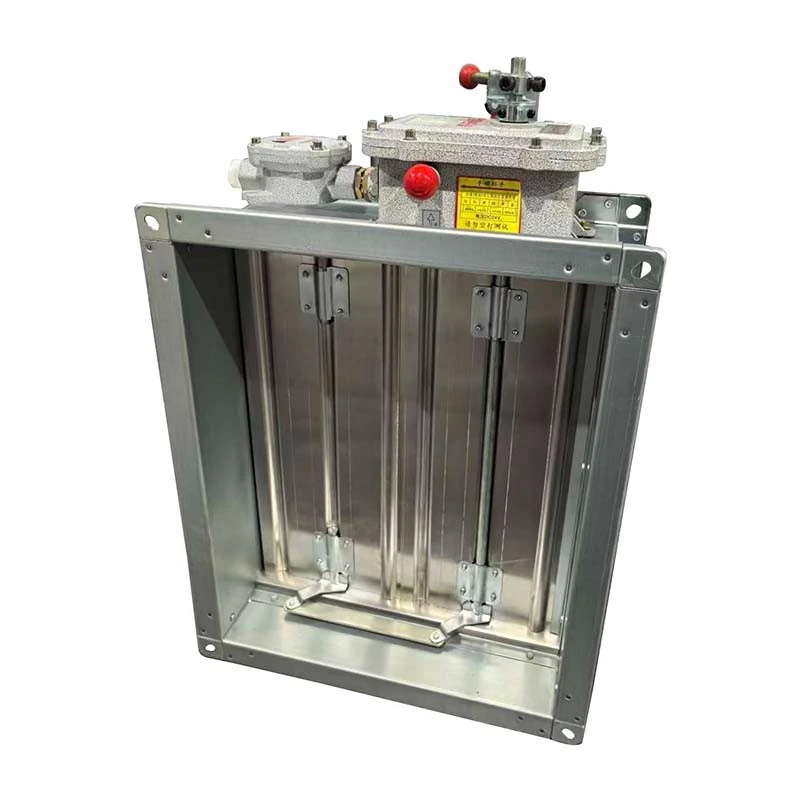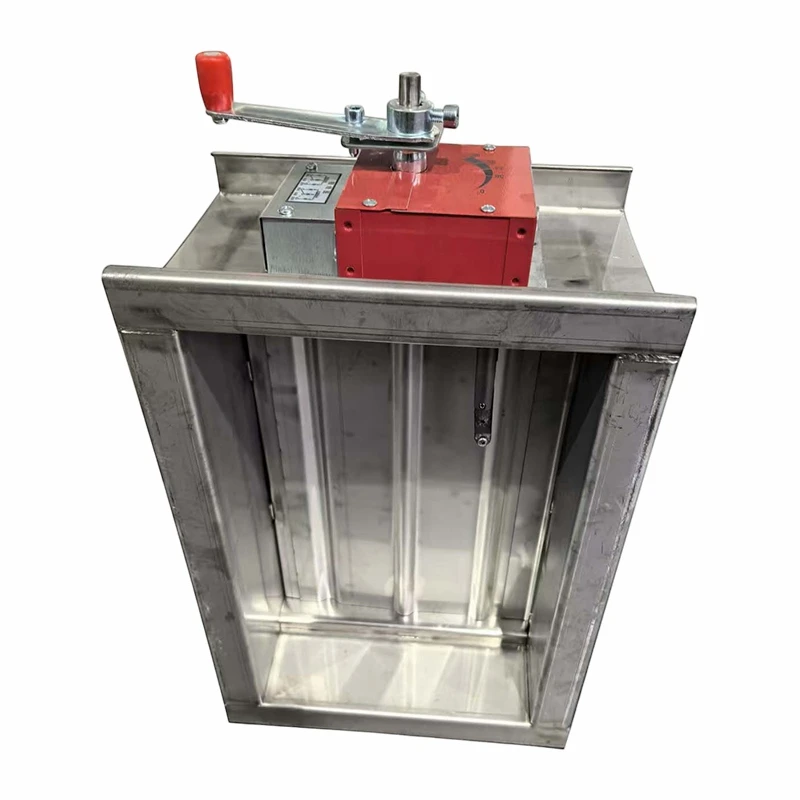
Fire dampers are built with purpose-driven design elements that ensure they perform flawlessly during a fire emergency. At the core of every unit is a thermal release mechanism, usually a fusible link calibrated to trigger at 70°C, the temperature at which the damper's metal blades swing shut and seal the duct. This simple yet critical component is designed to melt reliably under heat, with no false triggers from routine temperature fluctuations. The damper body, typically made of galvanized steel, is built to resist warping and corrosion, ensuring it stays intact in harsh HVAC environments for decades. Unlike other duct components, fire dampers also feature tight-fitting seals and reinforced frames to prevent air, smoke, and flames from bypassing the closed blades.
The placement of fire dampers within the ductwork is equally important to their effectiveness. Building codes require them to be installed at fire-rated partitions, such as walls and floors, where ducts pass between different building zones. Proper installation includes ensuring the damper is mounted flush with the partition and aligned with airflow direction, as misalignment can prevent full closure. Many modern fire dampers also come with manual test and reset features, allowing maintenance teams to check functionality without triggering the thermal fuse. These design details combine to make fire dampers a dependable, low-maintenance safety feature that plays a vital role in passive fire protection.