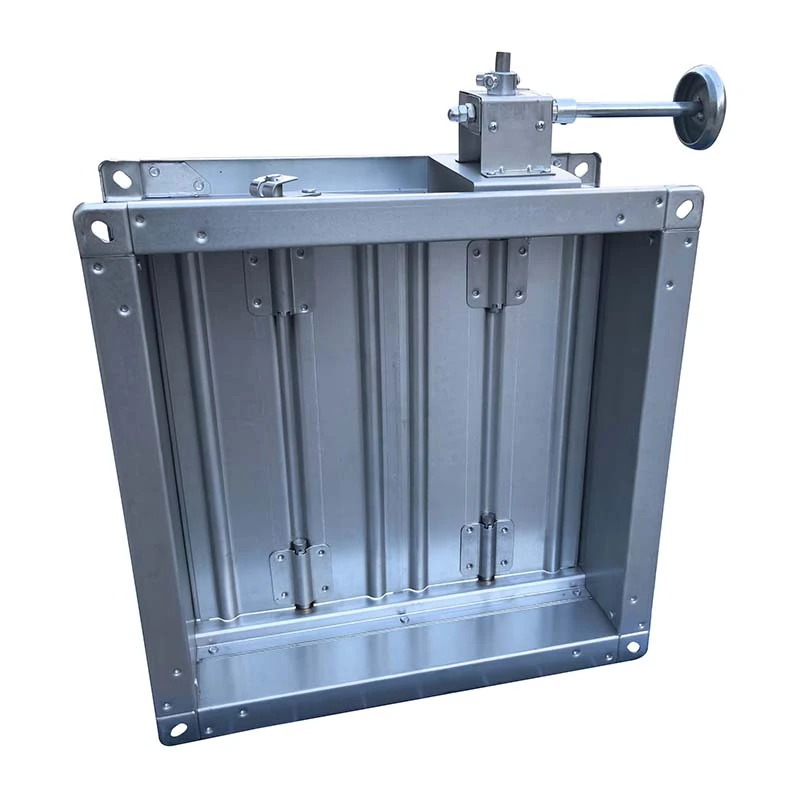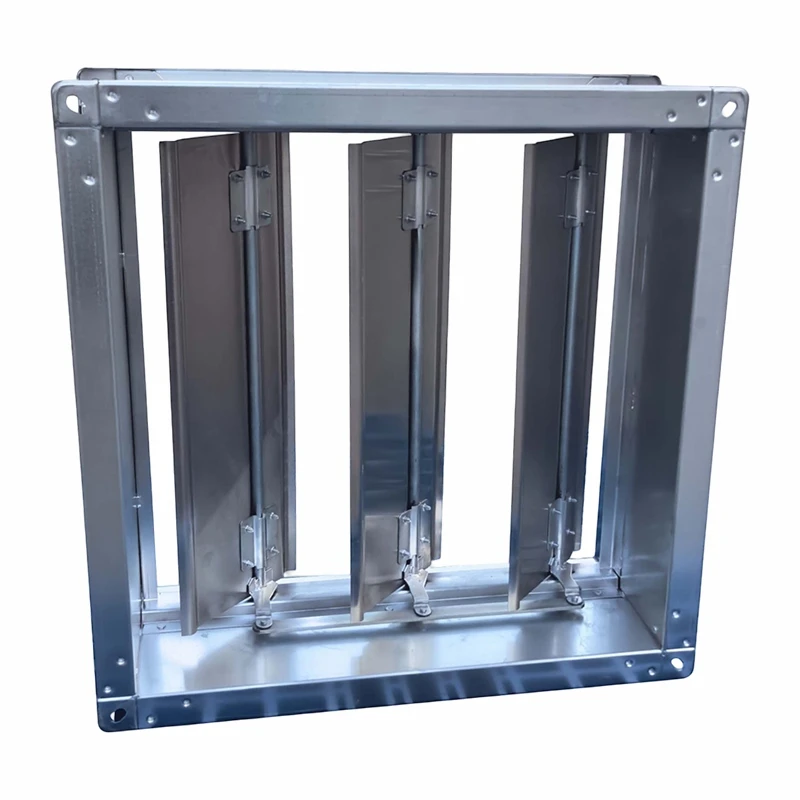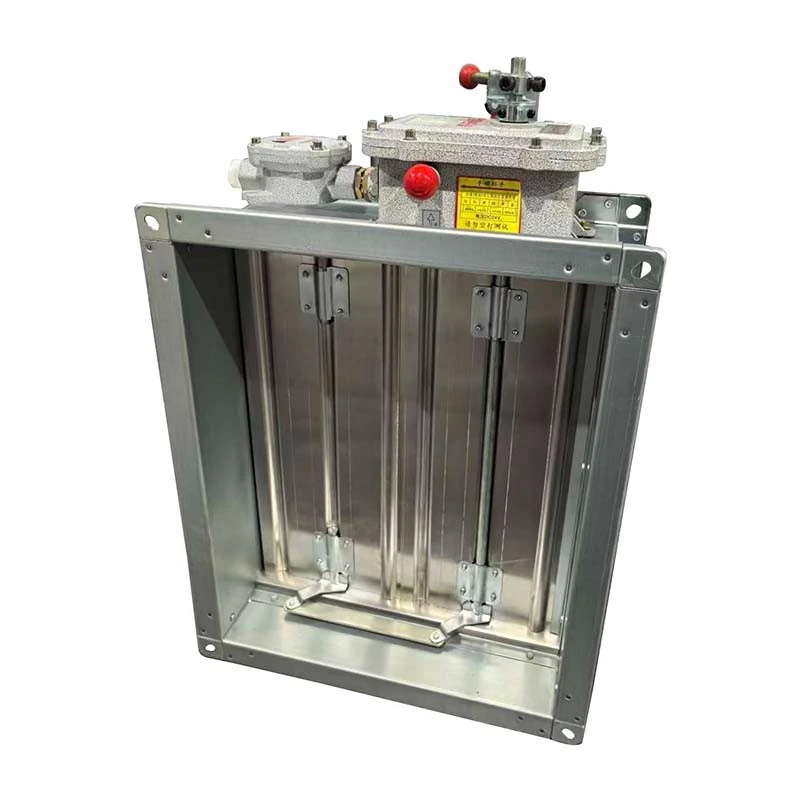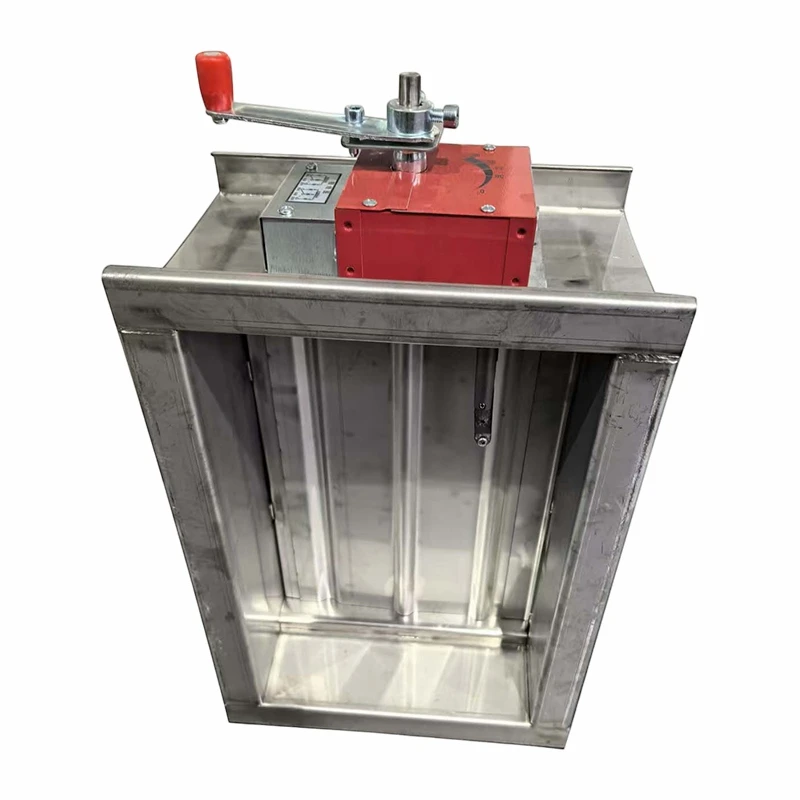
To ensure that fire protection and ventilation systems, including fire dampers, smoke dampers, ventilation fans, and adjustable dampers, perform optimally when needed most, it is essential to follow a strict maintenance and care regimen. Regular inspection and maintenance not only prolong the life of these products but also ensure that they comply with fire safety codes and regulations.
Fire Dampers and Smoke Dampers: These systems need to be inspected at least once a year to verify their functionality. The primary maintenance tasks include checking the mechanical components, such as the damper blades and the heat-sensitive fusible link. Ensure that the fusible link is intact and that the damper blades can close without obstruction. It is also important to inspect the actuating mechanism, which could be a spring or motor, to ensure that it operates correctly.
For smoke dampers, it is critical to test the integration with the smoke detection system. The dampers must automatically close when smoke is detected in the ducts. Inspecting the wiring, control panel, and sensors ensures that the system remains responsive during an emergency. It is also important to check that no debris is obstructing the damper or the ductwork, as this can affect its performance.
Ventilation Fans: Regular maintenance of ventilation fans, such as centrifugal fans or axial flow fans, includes cleaning the fan blades, checking the fan motor for any signs of wear, and replacing air filters as needed. Additionally, ensuring that the fans are free from dust and debris allows them to operate at peak efficiency. Over time, vibration or loose components may occur, so periodic checks of fan mounts and motor connections should be performed.
For adjustable dampers, ensure that they are functioning smoothly and that the adjustment mechanism works properly. These dampers often require lubrication to ensure smooth operation, particularly in high-use applications. Regular calibration and testing are essential to maintain accurate airflow regulation, especially in buildings with varying air volume demands across different zones.
Explosion-Proof Systems: For areas with hazardous materials, such as chemical plants or refineries, explosion-proof fire dampers require more frequent inspections. These dampers should be checked for signs of damage to the explosion-resistant casing and seal. Ensuring that the fail-safe mechanisms are working properly is essential to maintain their reliability in hazardous conditions.
Training and Documentation: Proper training for maintenance personnel is crucial for ensuring that all components are correctly inspected and maintained. In addition, comprehensive maintenance documentation should be kept, including details of inspections, repairs, and any modifications made to the system. This documentation helps in tracking the performance of the system and ensures compliance with local fire safety codes.
Ultimately, regular maintenance is key to ensuring that fire protection systems perform reliably during emergencies. With proper care and attention, fire dampers, smoke dampers, and ventilation systems can provide long-lasting protection, improve energy efficiency, and contribute to a safe and sustainable building environment.