Fire protection systems, including fire dampers, smoke dampers, and ventilation solutions, are crucial for maintaining safety and preventing the spread of fire in buildings. A real-world example of their application can be seen in a recent project involving a large office complex, where advanced fire and smoke control systems were installed to meet stringent safety standards.
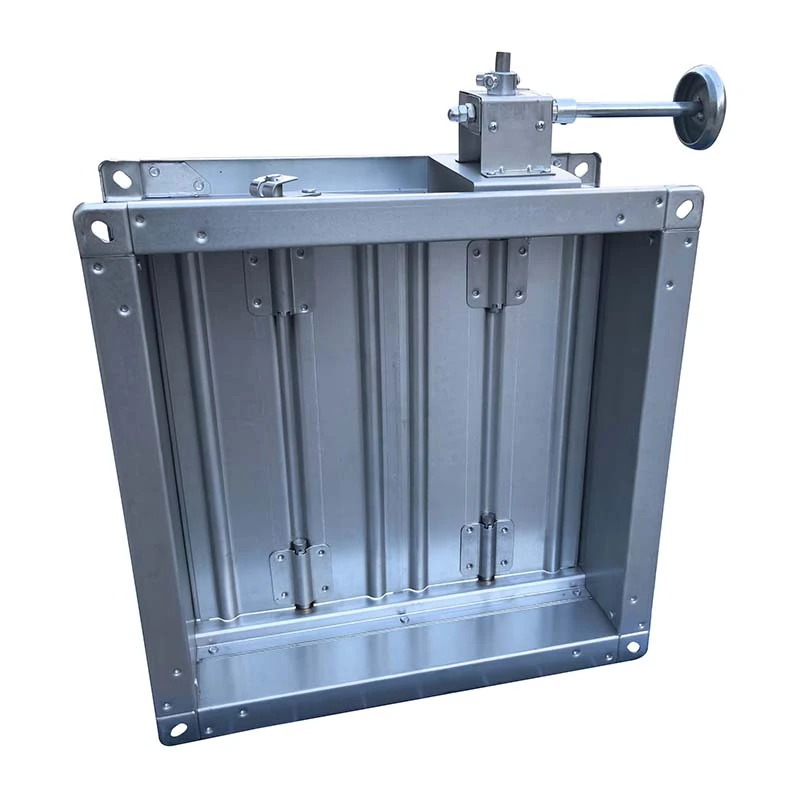
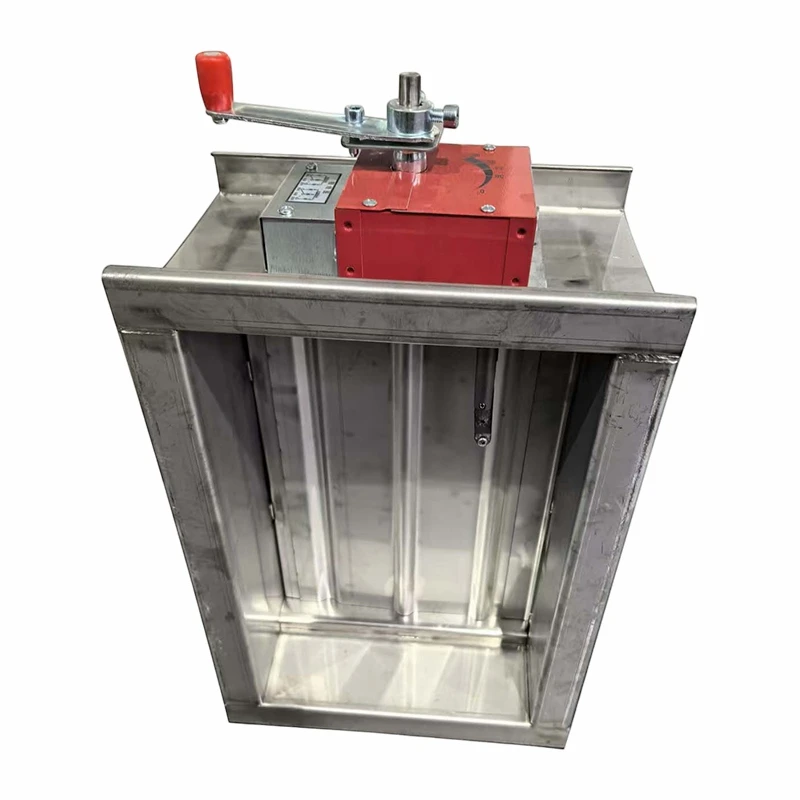
The client, a commercial real estate developer, required a comprehensive fire protection system for a high-rise office building. The building had multiple floors, and the HVAC system needed to accommodate the unique airflow needs of each level while ensuring fire and smoke safety. To meet these requirements, the company chose to install fire dampers in the ventilation ducts that passed through fire-rated walls. These dampers were equipped with heat-sensitive elements that automatically closed when exposed to high temperatures, preventing flames from spreading to other parts of the building.
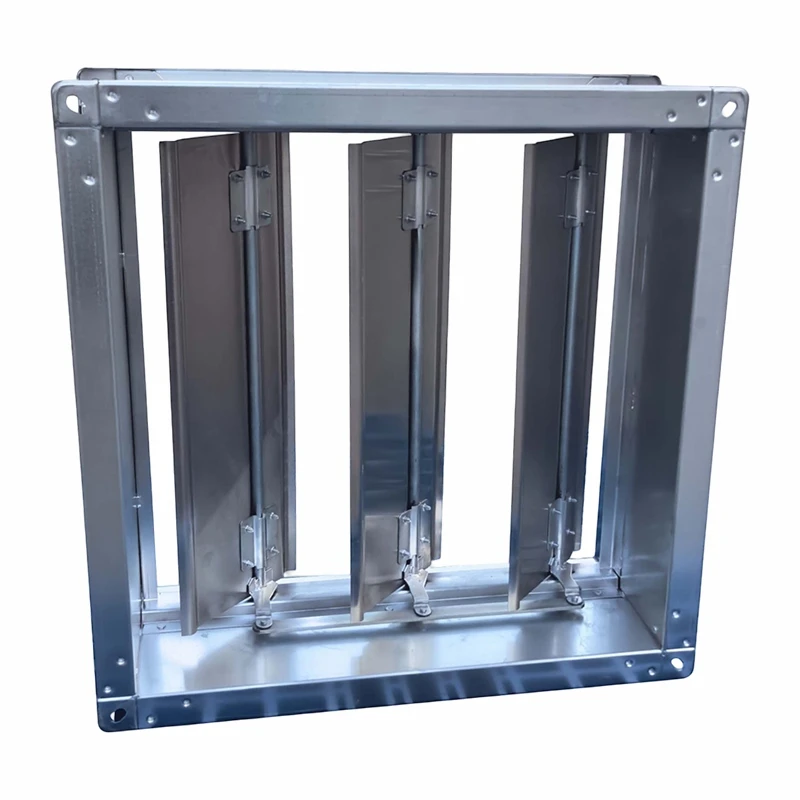
In addition to the fire dampers, smoke dampers were installed to prevent smoke from traveling through the ventilation system. The smoke dampers were linked to the building's smoke detection system, ensuring that the dampers closed whenever smoke was detected, effectively containing the smoke within certain sections of the building. The adjustable dampers provided flexibility in regulating airflow, ensuring that each area of the building received proper ventilation while preventing smoke migration.
Furthermore, the building incorporated smoke vents on the roof to allow for the rapid expulsion of smoke in the event of a fire. These vents worked in conjunction with the dampers to create an efficient smoke control system that reduced the risk of smoke inhalation for building occupants during an emergency.
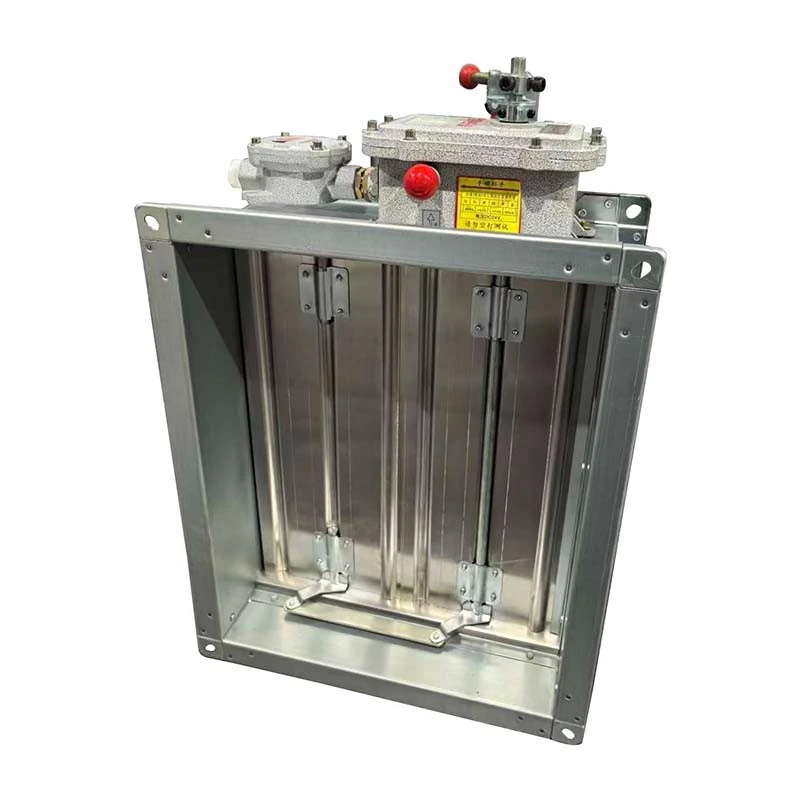
One of the key challenges in this project was integrating the fire protection systems with the building's existing HVAC infrastructure. To overcome this, the team worked closely with HVAC engineers to ensure that the fire protection products were seamlessly incorporated without disrupting airflow or energy efficiency. The integration of explosion-proof dampers for certain high-risk areas, such as the mechanical rooms, further enhanced the safety of the building.
After installation, the building underwent thorough testing to ensure that all systems were fully operational and compliant with local fire safety regulations. The testing process involved simulating fire and smoke scenarios to verify that the dampers and ventilation systems responded as expected.
The result of this project was a fully compliant, highly efficient fire protection and smoke control system that not only provided safety but also minimized the building's energy consumption. The client reported improved peace of mind regarding the safety of the building, as well as reduced energy costs due to the optimized performance of the HVAC system. The advanced fire protection solutions also contributed to the building's green certification, highlighting the effectiveness of energy-efficient and sustainable fire and smoke control systems.