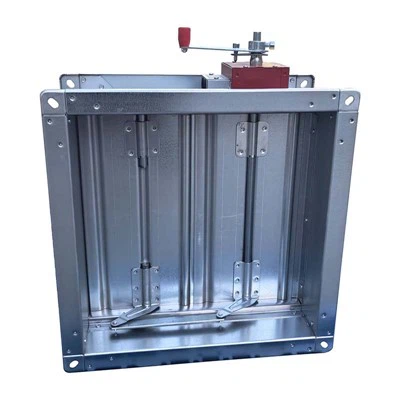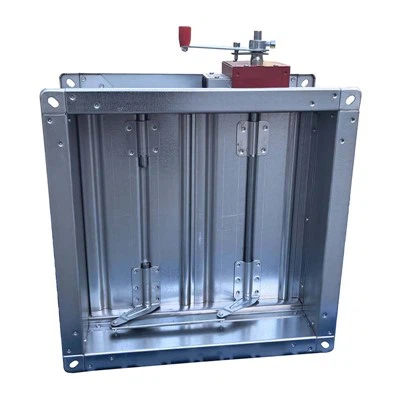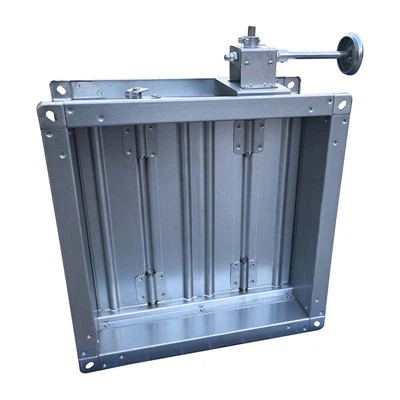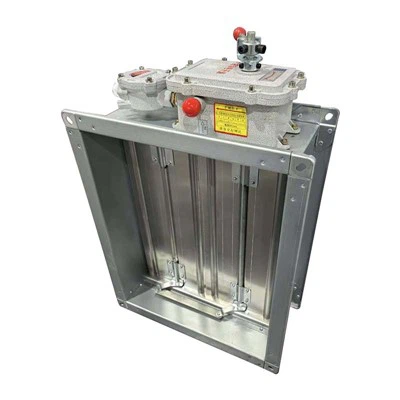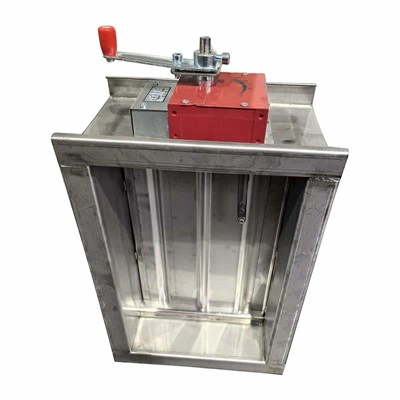
Fire dampers are passive safety devices, but they require regular maintenance to work when needed. Over time, dust, debris, and grease buildup in HVAC ducts can jam the damper blades, preventing them from closing during a fire. The first step in maintenance is a visual inspection, where technicians check for signs of corrosion, rust, or physical damage to the damper body and blades. They also verify that the fusible link is intact and free from damage, as even a small crack can cause it to fail prematurely.
Functional testing is another critical part of maintaining fire dampers. This involves manually releasing the damper (using a test tool designed for the purpose) to ensure the blades close fully and seal the duct. After testing, the damper must be reset and the fusible link replaced if it was triggered. In high-humidity or industrial environments, more frequent inspections are needed to address corrosion risks, as galvanized steel can degrade over time in these conditions. By following a regular maintenance schedule, building owners can ensure fire dampers remain ready to perform, protecting both property and lives in the event of a fire.