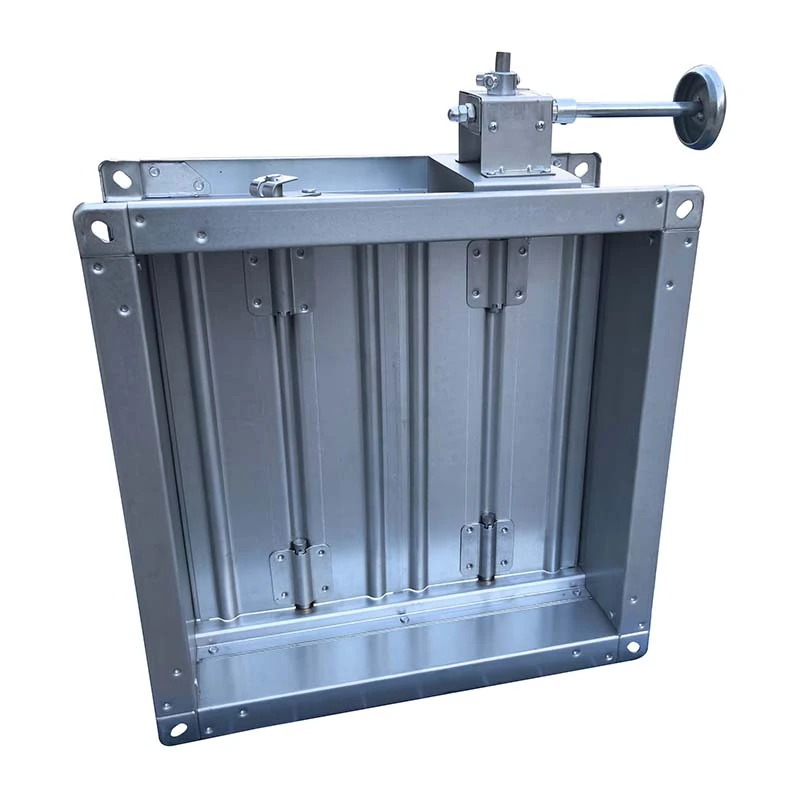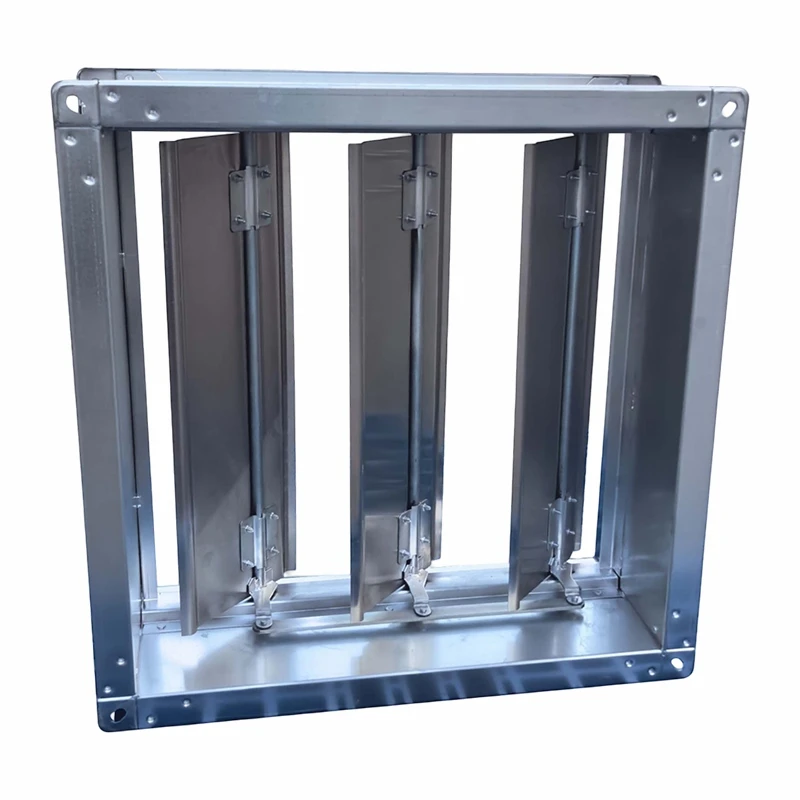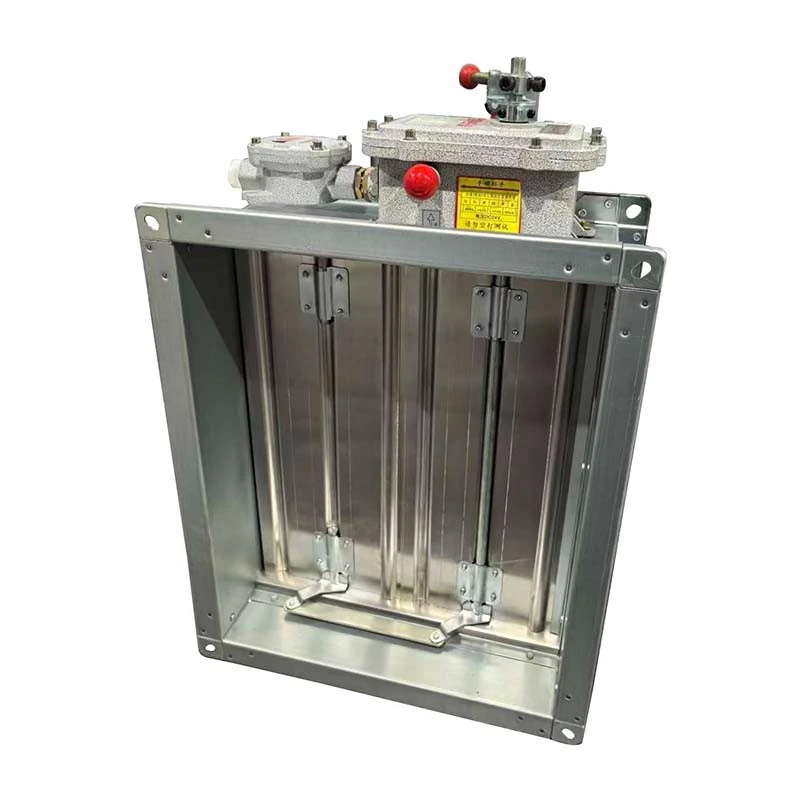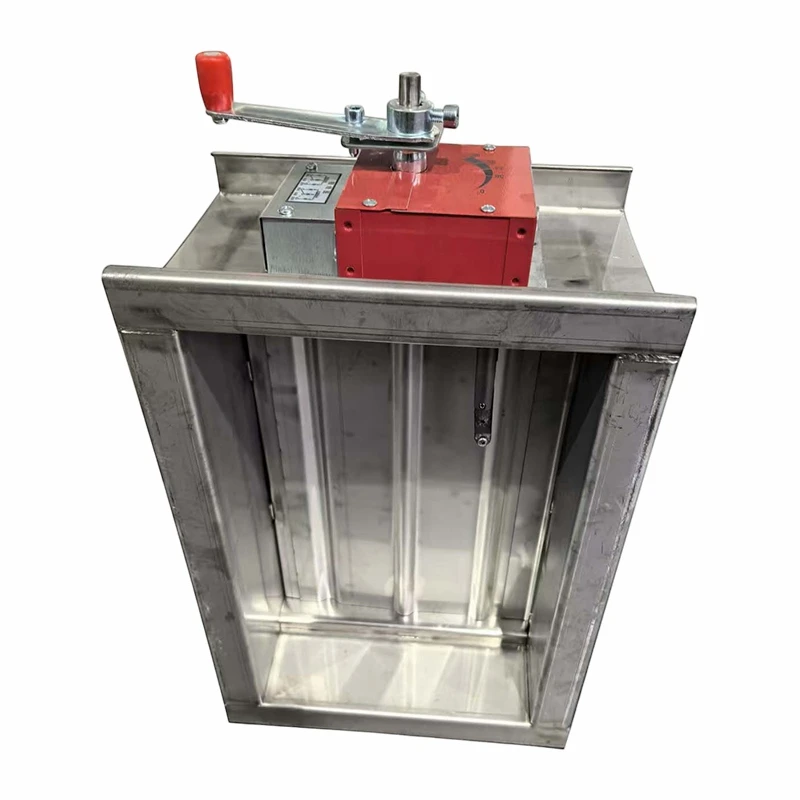
The design concept of micro-perforated plate silencers seeks a balance between acoustic theory and engineering application requirements to achieve a comprehensive goal of high-efficiency noise reduction, low flow resistance, long lifespan, and structural safety. Its core idea is to replace traditional sound-absorbing materials with microporous structures on a thin metal plate. Through precise combinations of hole shape, hole spacing, and cavity, sound waves are dissipated during propagation due to viscous friction, heat conduction, and resonance effects, thus achieving excellent noise reduction without sacrificing the system's aerodynamic performance.
At the initial design stage, the target noise reduction frequency band and insertion loss requirements must be determined based on the noise spectrum characteristics. Mid-to-low frequency noise has a relatively long wavelength, which traditional resistive silencers often struggle to absorb effectively. Micro-perforated plate silencers, however, utilize the Helmholtz resonance principle to establish a correspondence between cavity depth and micropore parameters, causing sound waves of specific frequencies to resonate within the cavity, converting sound energy into heat energy for dissipation. This process requires designers to perform coupled calculations on aperture, plate thickness, perforation rate, and cavity volume to ensure that the resonance peak matches the target frequency band.
Structural reliability is another important concept. Micro-perforated plates need to withstand certain airflow pressure and vibration loads; therefore, material selection must balance strength and acoustic performance. Aluminum, galvanized steel, or stainless steel are commonly used, with anti-corrosion treatment applied to the plate surface. Processing accuracy directly affects the silencing effect; aperture deviation, uneven hole spacing, or uneven plate surface will all cause acoustic performance degradation. Therefore, manufacturing tolerances and testing standards must be clearly defined during the design phase.
Regarding system matching, the design concept emphasizes coordination with the airflow of ventilation or power equipment. The flow resistance of the micro-perforated plate silencer should be lower than that of traditional filled silencers to avoid significantly increasing fan energy consumption. To this end, the perforation rate and airflow velocity need to be controlled so that viscous dissipation dominates and does not generate turbulent noise. At the same time, the shell structure must have sufficient rigidity to prevent shell deformation caused by negative pressure or vibration, which would affect the acoustic cavity dimensions.
Fire prevention and environmental protection concepts are also integrated throughout the design process. Because it does not use fibers or porous sound-absorbing materials, the micro-perforated panel silencer fundamentally eliminates material shedding, moisture absorption failure, and fire hazards, making it suitable for high-risk or high-cleanliness environments such as subways, tunnels, and cleanrooms. Its metal structure is fully recyclable, meeting the requirements of green building and sustainable development.
In summary, the design concept of the micro-perforated panel silencer is an integrated fusion of acoustic mechanisms, structural engineering, materials science, and environmental adaptability. Through precise parametric design and rigorous manufacturing control, this equipment not only achieves breakthroughs in noise reduction performance but also sets new technological benchmarks in system energy efficiency, safety, and environmental protection, providing an efficient, reliable, and reusable solution for noise control in modern industry and buildings.