
In the realm of industrial equipment, the terms "fan" and "mate" (in the context of being a fan) might seem straightforward at first glance, but they carry distinct meanings and implications. As a fan supplier, I've encountered numerous inquiries regarding these concepts, and I believe it's essential to clarify the differences to help our customers make informed decisions.
Defining "Fan"
A fan, in the industrial context, is a mechanical device designed to move air or other gases. Fans play a crucial role in various industries, including ventilation, air conditioning, and industrial processes. They come in different types, each with its unique characteristics and applications.
Types of Fans
- Centrifugal Fire Smoke Exhaust Fan: This type of fan is specifically designed to remove smoke and hot air from buildings during a fire. It operates by using centrifugal force to accelerate the air and expel it from the building. You can find more information about Centrifugal Fire Smoke Exhaust Fan on our website.
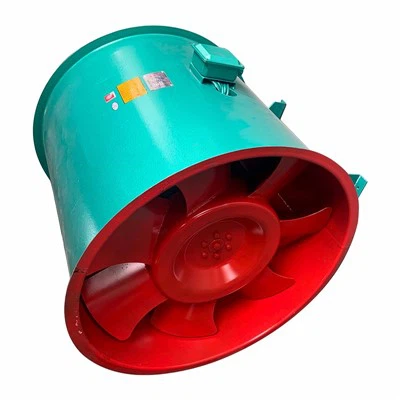
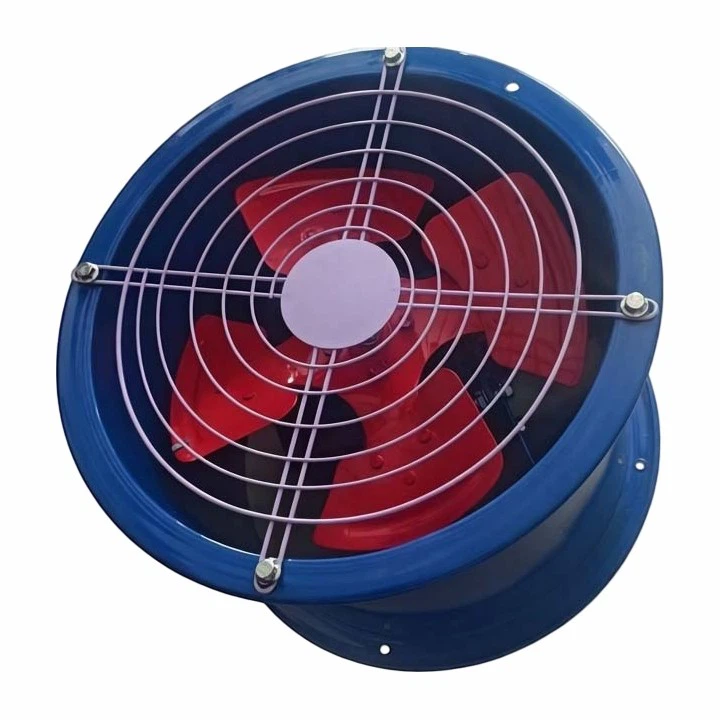
- Fan Axial Flow: Axial flow fans are designed to move air parallel to the axis of the fan. They are commonly used in applications where a large volume of air needs to be moved at a relatively low pressure. Our Fan Axial Flow is known for its high efficiency and reliability.
- Jet Induced Draft Fan: Jet induced draft fans are used to create a draft or suction effect in industrial processes. They are often used in applications such as boilers, furnaces, and incinerators. For more details about Jet Induced Draft Fan, please visit our website.
Understanding "Mate" in the Context of Fans
The term "mate" in the context of being a fan is not as commonly used as "fan," but it refers to a complementary or compatible component that works in conjunction with a fan. A mate can be a motor, a controller, or any other device that enhances the performance or functionality of the fan.
Importance of Mating Components
- Efficiency: A well-matched mate can significantly improve the efficiency of a fan system. For example, a motor with the right power and speed can ensure that the fan operates at its optimal performance level.
- Reliability: Using a compatible mate can enhance the reliability of the fan system. When all components are designed to work together, the risk of breakdowns and malfunctions is reduced.
- Safety: In some applications, such as fire smoke exhaust systems, the proper mating of components is crucial for ensuring the safety of the building and its occupants.
Key Differences between "Fan" and "Mate"
- Function: A fan is the primary device responsible for moving air, while a mate is a complementary component that enhances the performance or functionality of the fan.
- Design: Fans are designed to meet specific airflow and pressure requirements, while mates are designed to be compatible with the fan and provide additional features or capabilities.
- Installation: Fans are typically installed as standalone units, while mates are often installed in conjunction with the fan to form a complete system.
Choosing the Right Fan and Mate
When selecting a fan and its mate, it's important to consider several factors, including:

- Application: The specific application will determine the type of fan and mate required. For example, a fire smoke exhaust system will require a different type of fan and mate than a ventilation system.
- Airflow and Pressure Requirements: The airflow and pressure requirements of the application will determine the size and capacity of the fan. The mate should be selected to match the fan's specifications.
- Compatibility: The fan and mate should be compatible in terms of size, power, and functionality. This will ensure that the system operates efficiently and reliably.
Conclusion
In conclusion, understanding the difference between "fan" and "mate" (in the context of being a fan) is essential for selecting the right equipment for your application. As a fan supplier, we are committed to providing our customers with high-quality fans and mates that meet their specific needs. If you have any questions or need assistance in choosing the right fan and mate for your application, please don't hesitate to contact us. We look forward to working with you to find the best solution for your ventilation and air movement needs.
References
- Industrial Ventilation Handbook
- Fan Engineering: The Application of Air Moving Equipment