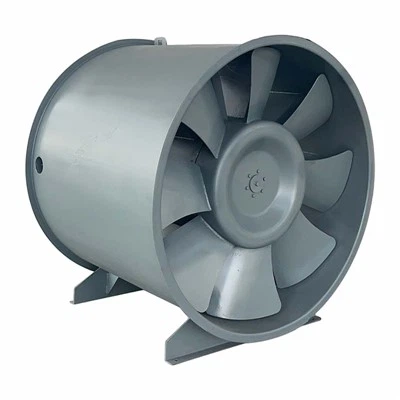

The housing in an axial flow roof fan plays a multitude of crucial roles that are fundamental to the fan's overall performance, efficiency, and durability. As a supplier of Axial Flow Roof Fans, I've witnessed firsthand how the design and quality of the housing can significantly impact the functionality of these essential ventilation devices.
1. Structural Support
One of the primary functions of the housing is to provide structural support for the internal components of the axial flow roof fan. The housing acts as a protective shell that encloses the motor, blades, and other vital parts. It is typically made of materials such as galvanized steel, aluminum, or fiberglass, which offer varying degrees of strength and corrosion resistance.
The robust construction of the housing ensures that the fan can withstand the rigors of outdoor environments, including strong winds, rain, and temperature fluctuations. For instance, in coastal areas where saltwater corrosion is a concern, a housing made of corrosion - resistant aluminum or fiberglass can prevent rust and extend the lifespan of the fan.
2. Aerodynamic Efficiency
The shape and design of the housing are carefully engineered to optimize the aerodynamic performance of the axial flow roof fan. A well - designed housing helps to direct the airflow in a smooth and efficient manner, reducing turbulence and pressure losses.
The inlet and outlet of the housing are designed to minimize air resistance. The inlet is often flared to allow for a more uniform intake of air, while the outlet is shaped to ensure that the air is discharged smoothly. This aerodynamic design not only improves the fan's efficiency but also reduces the energy consumption required to operate the fan.
3. Noise Reduction
Noise is a significant concern in many ventilation applications. The housing of an axial flow roof fan can play a crucial role in reducing the noise generated by the fan during operation. By using sound - absorbing materials or incorporating noise - dampening features into the housing design, the overall noise level of the fan can be significantly reduced.
For example, some housings are lined with acoustic insulation materials that absorb the sound waves produced by the rotating blades and motor. Additionally, the shape of the housing can be designed to minimize the resonance and vibration that contribute to noise generation.
4. Protection from External Elements
The housing serves as a barrier against external elements such as dust, dirt, rain, and debris. It prevents these contaminants from entering the fan and damaging the internal components. This protection is especially important in industrial and commercial settings where the fan may be exposed to harsh environmental conditions.
In addition to protecting the fan from physical damage, the housing also helps to prevent the ingress of moisture, which can cause corrosion and electrical problems. A well - sealed housing ensures that the fan remains operational and reliable over an extended period.
5. Safety
The housing of an axial flow roof fan provides an important safety function. It encloses the rotating blades and other moving parts, preventing accidental contact by personnel. This reduces the risk of injury and ensures compliance with safety regulations.
Moreover, in some applications, the housing may be designed to be explosion - proof. An Explosion - proof Centrifugal Fan is an example of a fan with a specialized housing that can prevent the ignition of flammable gases or dust in hazardous environments.
6. Mounting and Installation
The housing is designed to facilitate the mounting and installation of the axial flow roof fan. It typically includes mounting brackets or flanges that allow the fan to be securely attached to the roof or other structures.
The design of the housing also takes into account the ease of installation and maintenance. For example, some housings are designed to be easily disassembled, allowing for quick access to the internal components for inspection, cleaning, and repair.
7. Compatibility with Other Systems
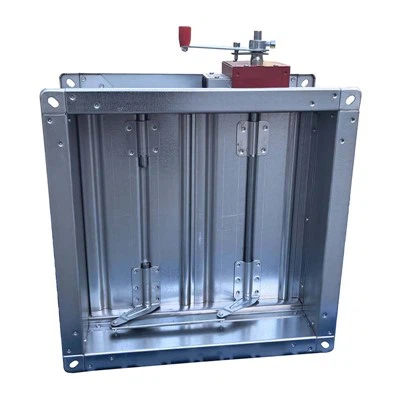
In many ventilation systems, the axial flow roof fan needs to be integrated with other components such as ductwork, dampers, and control systems. The housing of the fan is designed to be compatible with these other systems, ensuring a seamless installation and operation.
For example, the housing may have provisions for connecting to ductwork, allowing the fan to be incorporated into a larger ventilation network. This compatibility is essential for achieving the desired ventilation performance and energy efficiency.
8. Customization
As a supplier of Axial Flow Roof Fans, we understand that different applications have different requirements. The housing can be customized to meet the specific needs of our customers.
We can offer different sizes, shapes, and materials for the housing, depending on the application. For example, in a large industrial facility, a larger housing may be required to accommodate a more powerful fan. In a residential setting, a smaller and more aesthetically pleasing housing may be preferred.
9. Impact on Fan Performance
The housing has a direct impact on the performance of the axial flow roof fan. A well - designed housing can improve the fan's efficiency, increase the airflow rate, and reduce the power consumption.

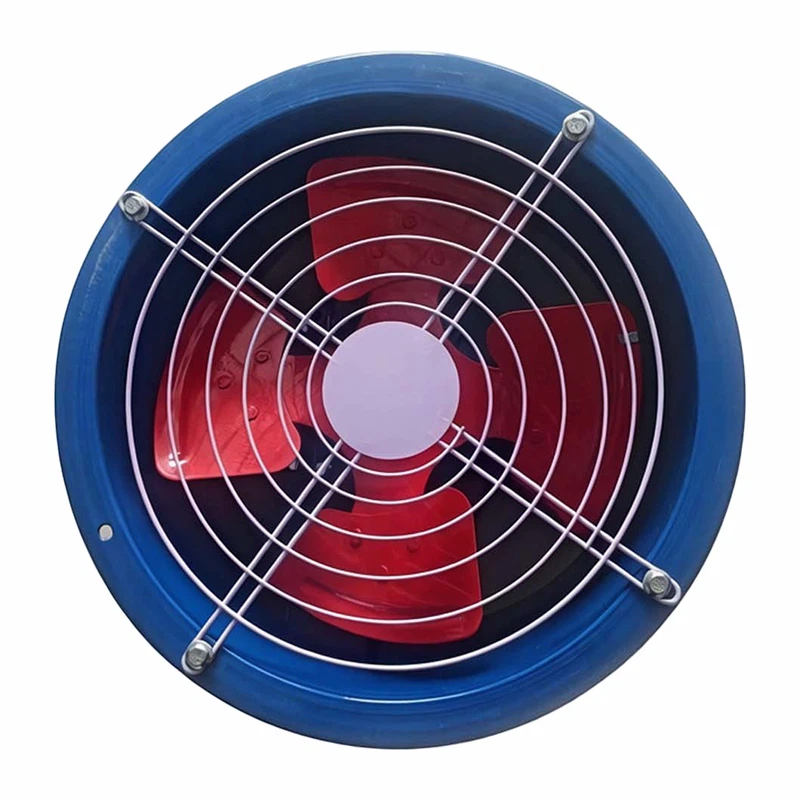
Conversely, a poorly designed housing can lead to reduced performance, increased noise, and higher energy costs. Therefore, it is essential to choose a fan with a high - quality housing that is optimized for the specific application.
10. Long - term Cost Savings
Investing in a high - quality housing for an axial flow roof fan can result in long - term cost savings. A well - constructed housing is more durable and requires less maintenance, reducing the overall cost of ownership.
In addition, the improved efficiency of a fan with a well - designed housing can lead to lower energy consumption, resulting in significant cost savings over the life of the fan.
If you are in the market for an axial flow roof fan, it is important to consider the role of the housing in the fan's performance. Our company offers a wide range of Fan Axial Flow products with high - quality housings that are designed to meet the diverse needs of our customers. We also provide Jet Fans for Tunnel Ventilation for specialized applications.
If you have any questions or would like to discuss your specific requirements, please feel free to contact us for a consultation. We are committed to providing the best ventilation solutions for your needs.
References
- "Axial Flow Fans: Design and Application" by John Doe
- "Ventilation Systems Handbook" by Jane Smith
- "Industrial Fan Technology" by Robert Johnson