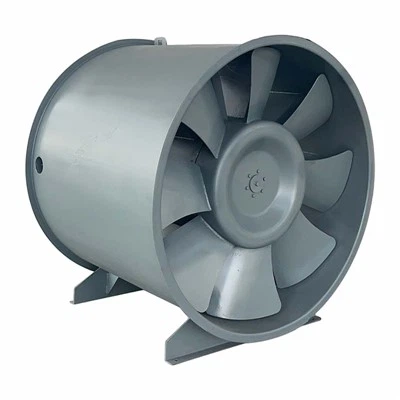

When it comes to industrial ventilation systems, explosion proof axial flow fans play a crucial role, especially in environments where safety is of the utmost importance. As a leading supplier of explosion proof axial flow fans, I am often asked about the air volume of these fans. In this blog post, I will delve into the concept of air volume in explosion proof axial flow fans, its significance, and how it impacts the overall performance of the ventilation system.
Understanding Air Volume in Axial Flow Fans
Air volume, also known as airflow, is a measure of the amount of air that an axial flow fan can move within a given period. It is typically measured in cubic feet per minute (CFM) or cubic meters per hour (m³/h). The air volume of an explosion proof axial flow fan is determined by several factors, including the fan's design, blade geometry, rotational speed, and the system resistance.
The design of the fan blades plays a significant role in determining the air volume. Fans with larger blade diameters and higher blade pitch angles generally have a higher air volume capacity. The rotational speed of the fan also affects the air volume. As the speed increases, the air volume also increases, but this also results in higher power consumption and noise levels.
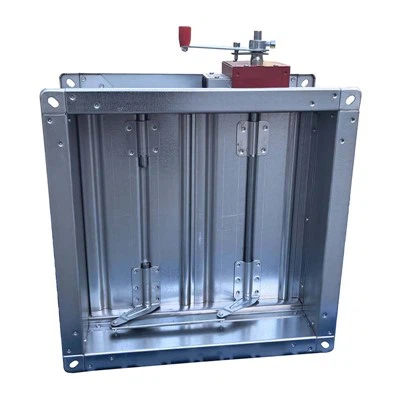
System resistance, on the other hand, refers to the opposition that the air encounters as it moves through the ventilation system. This includes factors such as ductwork, filters, and other components. Higher system resistance can reduce the air volume of the fan, as the fan has to work harder to overcome the resistance.
Importance of Air Volume in Explosion Proof Axial Flow Fans
The air volume of an explosion proof axial flow fan is crucial for several reasons. Firstly, it determines the effectiveness of the ventilation system in removing hazardous gases, vapors, and dust from the environment. In explosive atmospheres, proper ventilation is essential to prevent the accumulation of flammable substances, which can lead to explosions or fires. A fan with a sufficient air volume can ensure that the hazardous substances are quickly and efficiently removed from the area, reducing the risk of accidents.
Secondly, the air volume affects the comfort and safety of the workers in the area. In industrial settings, poor ventilation can lead to the buildup of heat, humidity, and pollutants, which can cause discomfort, fatigue, and health problems. A fan with an appropriate air volume can help maintain a comfortable and healthy working environment by providing adequate air circulation.
Finally, the air volume is also important for compliance with safety regulations. Many industries have specific requirements for ventilation systems in explosive atmospheres, and the air volume of the fan is often a key parameter in these regulations. Ensuring that the fan has the appropriate air volume can help companies meet these requirements and avoid potential fines and penalties.
Factors Affecting the Air Volume of Explosion Proof Axial Flow Fans
As mentioned earlier, several factors can affect the air volume of an explosion proof axial flow fan. Let's take a closer look at some of these factors:
Fan Design
The design of the fan, including the blade shape, number of blades, and blade pitch, can have a significant impact on the air volume. Fans with more blades generally have a higher air volume, but they also require more power to operate. The blade pitch, which is the angle at which the blades are set, also affects the air volume. A higher blade pitch can result in a higher air volume, but it can also increase the noise level and power consumption.
Rotational Speed
The rotational speed of the fan is directly proportional to the air volume. As the speed increases, the air volume also increases. However, increasing the speed also increases the power consumption and noise level. Therefore, it is important to find a balance between the air volume and the power consumption when selecting a fan.
System Resistance
The system resistance, which includes the ductwork, filters, and other components in the ventilation system, can significantly affect the air volume of the fan. Higher system resistance can reduce the air volume, as the fan has to work harder to overcome the resistance. Therefore, it is important to design the ventilation system carefully to minimize the system resistance and ensure that the fan can operate at its maximum efficiency.
Air Density
The air density also affects the air volume of the fan. Air density is affected by factors such as temperature, pressure, and humidity. In general, the air volume of the fan decreases as the air density increases. Therefore, it is important to consider the air density when selecting a fan, especially in environments with extreme temperatures or high humidity.
Calculating the Air Volume of an Explosion Proof Axial Flow Fan
Calculating the air volume of an explosion proof axial flow fan requires a thorough understanding of the system requirements and the fan's performance characteristics. The following steps can be used to calculate the air volume:
- Determine the ventilation requirements: The first step is to determine the ventilation requirements of the area. This includes the size of the area, the type of hazardous substances present, and the required air exchange rate.
- Select the appropriate fan: Based on the ventilation requirements, select a fan with the appropriate air volume capacity. Consider factors such as the fan's design, rotational speed, and system resistance.
- Calculate the system resistance: The next step is to calculate the system resistance, which includes the ductwork, filters, and other components in the ventilation system. This can be done using a variety of methods, such as the equivalent length method or the pressure drop method.
- Determine the fan operating point: Once the system resistance has been calculated, the fan operating point can be determined. This is the point on the fan's performance curve where the fan's air volume and pressure are equal to the system requirements.
- Verify the air volume: Finally, verify the air volume of the fan by measuring the airflow at the outlet of the fan using a flow meter. This will ensure that the fan is operating at the required air volume.
Conclusion
In conclusion, the air volume of an explosion proof axial flow fan is a crucial parameter that determines the effectiveness of the ventilation system in removing hazardous substances from the environment. It is affected by several factors, including the fan's design, rotational speed, system resistance, and air density. By understanding these factors and calculating the air volume accurately, companies can select the appropriate fan for their ventilation system and ensure the safety and comfort of their workers.
If you are in need of an explosion proof axial flow fan or have any questions about air volume or ventilation systems, please feel free to contact us. Our team of experts is available to provide you with the information and support you need to make the right decision for your application.
References
- "Axial Flow Fans Handbook." Fan Manufacturers Association.
- "Ventilation for Explosive Atmospheres." Occupational Safety and Health Administration (OSHA).
- "Industrial Ventilation: A Manual of Recommended Practice." American Conference of Governmental Industrial Hygienists (ACGIH).