
Hey there! As a tuyere supplier, I've seen firsthand how pressure can have a real impact on these essential components. In this blog, I'm gonna break down the effects of pressure on a tuyere, so you can better understand what's going on when it comes to these important parts.
How Pressure Affects the Structure of a Tuyere
First off, let's talk about how pressure can mess with the physical structure of a tuyere. When there's high pressure inside a tuyere, it can cause all sorts of stress on the material. You see, tuyeres are usually made of some pretty tough stuff, but even the best materials have their limits.
High pressure can lead to deformation. The tuyere might start to bulge or change shape, which is definitely not a good thing. This deformation can affect the airflow and the overall performance of the tuyere. For example, if the shape changes, the air might not flow through as smoothly as it should, leading to inefficiencies in the system it's part of.
Another issue is cracking. Pressure can put so much stress on the tuyere that it starts to develop cracks. These cracks can be a big problem because they can allow air or other substances to leak out. And once you have leaks, it can mess up the whole operation. It could also lead to safety hazards, especially if the tuyere is part of a system that deals with high - energy or dangerous substances.
Impact on Airflow
Pressure has a huge impact on the airflow through a tuyere. When the pressure is right, the air can flow through the tuyere in a nice, smooth way. But when the pressure is too high or too low, things get a little wonky.
If the pressure is too high, the air might rush through the tuyere at an extremely high speed. This can cause a phenomenon called turbulence. Turbulence is basically when the air flow becomes chaotic, and it can make the system less efficient. It can also cause more wear and tear on the tuyere itself because the high - speed air is constantly hitting the walls of the tuyere.
On the other hand, if the pressure is too low, the air flow might be sluggish. This means that not enough air is getting through the tuyere, which can also be a problem. For example, in a ventilation system, if the air isn't flowing properly, it won't be able to remove pollutants or regulate the temperature effectively.
Effects on the Performance of Related Systems
Tuyeres are often part of larger systems, like ventilation systems or industrial processes. The pressure on a tuyere can have a domino effect on the performance of these systems.
In a ventilation system, if the tuyere is experiencing high pressure, it can affect the overall air distribution. The air might not be reaching all the areas it's supposed to, leading to uneven ventilation. This can make a building feel stuffy in some areas and overly cold or warm in others.
In an industrial process, the wrong pressure on a tuyere can mess up the chemical reactions or other operations. For example, in a furnace, the air flow through the tuyere is crucial for proper combustion. If the pressure is off, the combustion might not be efficient, leading to wasted fuel and lower productivity.
Different Types of Tuyeres and Their Pressure Sensitivity
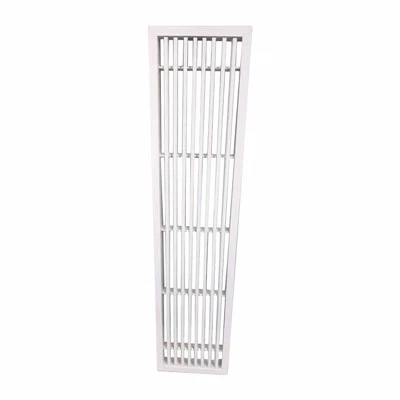
There are different types of tuyeres, and each one has its own level of sensitivity to pressure. For example, a Recess Valve might be more sensitive to pressure changes compared to other types. The design of a recess valve means that it has specific pressure requirements for optimal performance. If the pressure is too high, it might not be able to open or close properly, which can disrupt the flow of air or other substances.
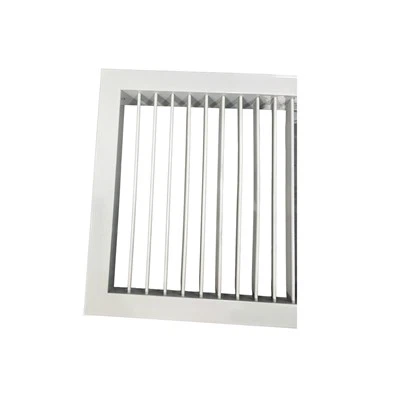
A High Velocity Outlet is designed to handle high - pressure situations. These outlets are often used in systems where a large volume of air needs to be moved quickly. However, even these high - velocity outlets have their limits. If the pressure gets too extreme, it can still cause problems like damage to the outlet or inefficient air flow.
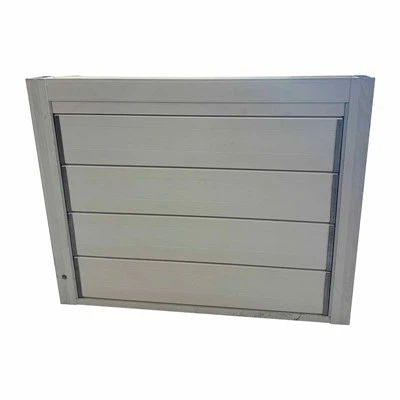
A Louvered Intake Vent is another type of tuyere. Louvered intake vents are designed to regulate the amount of air entering a system. Pressure can affect how well these vents work. If the pressure is too high, the louvers might not be able to open or close as they should, which can lead to improper air intake.
Managing Pressure in Tuyeres
As a tuyere supplier, I know that managing pressure is key to ensuring the longevity and performance of these components. One way to manage pressure is through proper design. When designing a tuyere, engineers need to take into account the expected pressure levels in the system it will be used in. They can use materials and designs that are better able to withstand high pressures.


Another way is through regular maintenance. Checking the pressure levels in a tuyere regularly can help catch any problems early. If the pressure is starting to get too high or too low, adjustments can be made to the system to bring it back to a safe and efficient level.
Why You Should Choose Our Tuyeres
If you're in the market for tuyeres, you want ones that can handle the pressure. Our tuyeres are designed with the latest technology and high - quality materials. We've done extensive testing to make sure our tuyeres can withstand a wide range of pressure levels.
Whether you need a Recess Valve, a High Velocity Outlet, or a Louvered Intake Vent, we've got you covered. Our team of experts can also help you with any questions you might have about pressure management and how to get the most out of your tuyeres.
If you're interested in learning more about our tuyeres or want to discuss your specific needs, don't hesitate to reach out. We're here to help you find the perfect tuyeres for your system.
References
- Smith, J. (2020). "The Effects of Pressure on Industrial Components." Industrial Engineering Journal.
- Johnson, A. (2019). "Airflow and Pressure in Ventilation Systems." HVAC Magazine.