
Hey there! As a supplier of Noise Reducing Shades, I often get asked whether these shades require professional installation. Well, let's dive right into this topic and figure it out together.
First off, what are Noise Reducing Shades? They're not your ordinary window coverings. These shades are specially designed to block out unwanted noise, making your home or office a much quieter and more peaceful place. You can check out more about them here.
Now, let's talk about the installation part. The short answer is, it depends. There are a few factors to consider when deciding whether to go for professional installation or do it yourself.
Ease of Installation
One of the main things to think about is how easy the shades are to install. Some Noise Reducing Shades come with a simple DIY installation kit. They usually have clear instructions, and all you need are basic tools like a screwdriver and a measuring tape. If you're handy around the house and don't mind spending a bit of time following the steps, you might be able to install them on your own.
However, if you're not very good with tools or if you're not confident in your DIY skills, professional installation might be the way to go. A professional installer has the experience and the right tools to get the job done quickly and correctly. They know how to handle any issues that might come up during the installation process, like uneven windows or tricky mounting points.
Window Type and Size
The type and size of your windows also play a big role in the installation process. If you have standard-sized windows, installing the shades might be relatively straightforward. But if you have custom or irregularly shaped windows, it can be a lot more challenging. Professional installers are used to dealing with all kinds of window shapes and sizes. They can make sure the shades fit perfectly, which is crucial for maximum noise reduction.
For example, if you have bay windows or windows with multiple panes, the installation process can be quite complex. A professional installer will know how to measure and cut the shades to fit these unique window configurations, ensuring a tight seal and better noise blocking.
Noise Reduction Performance
Proper installation is key to getting the best noise reduction performance from your shades. If the shades aren't installed correctly, there might be gaps around the edges, which can let in unwanted noise. Professional installers are trained to install the shades in a way that minimizes these gaps and maximizes the noise-blocking capabilities.
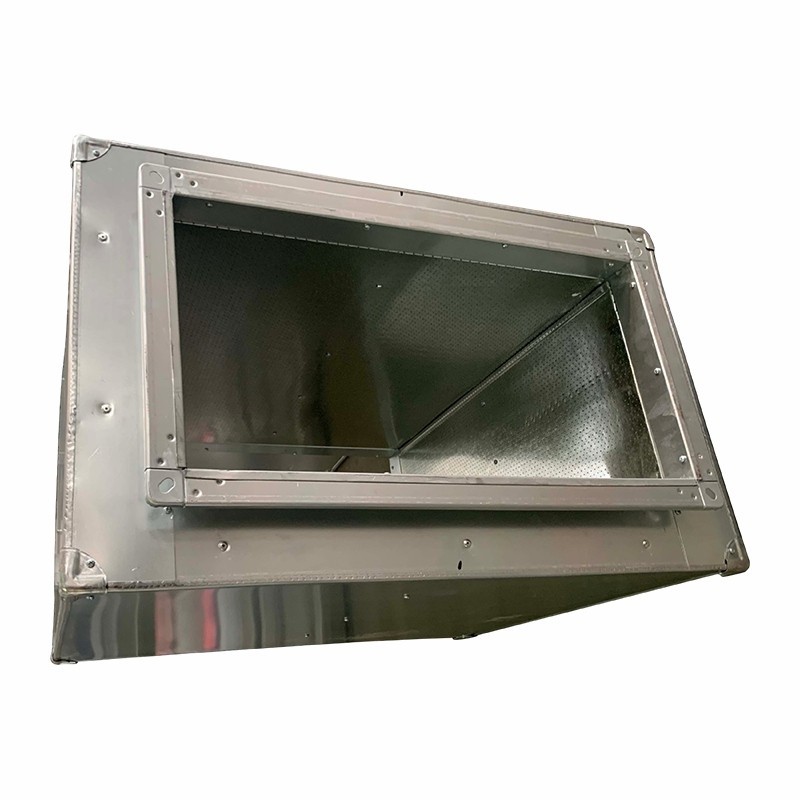
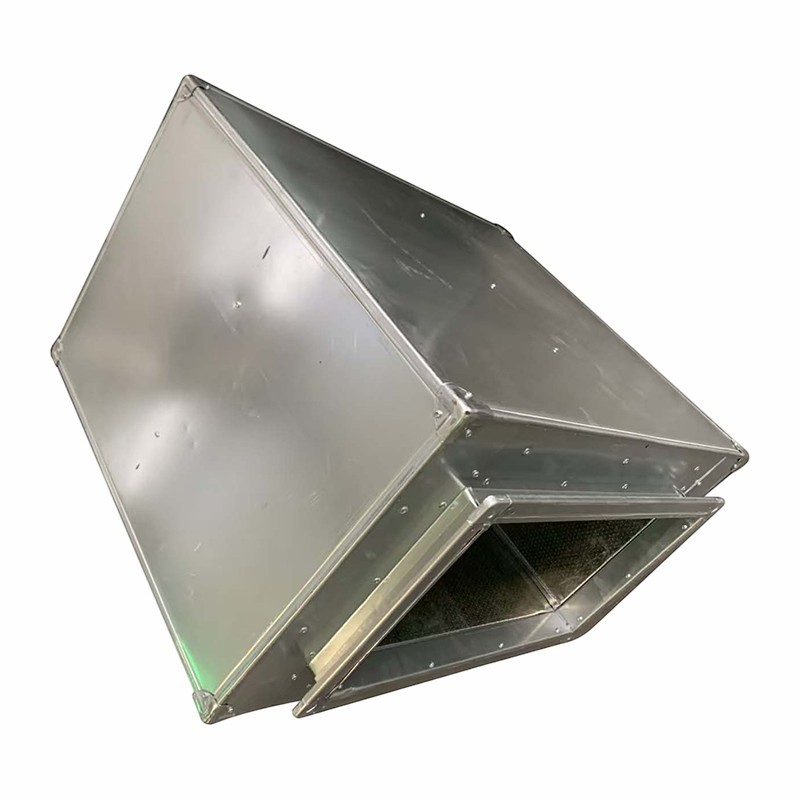
They also know how to use additional soundproofing techniques, like sealing the edges of the shades with special gaskets or using Static Pressure Box to further reduce noise. These techniques can make a big difference in the overall noise reduction performance of your shades.
Safety Considerations
Another important factor to consider is safety. Installing window shades involves working at heights and using tools, which can be dangerous if you're not careful. Professional installers are trained to follow safety protocols and have the necessary equipment to work safely. They also have insurance, which means that if something goes wrong during the installation, you're covered.
On the other hand, if you decide to install the shades yourself, you need to make sure you take all the necessary safety precautions. This includes using a sturdy ladder, wearing safety glasses, and following the installation instructions carefully.
Cost
Cost is always a consideration when it comes to any home improvement project. Professional installation can be more expensive than doing it yourself. However, you need to weigh the cost against the benefits. If you're not confident in your DIY skills or if you have complex windows, the cost of professional installation might be worth it in the long run.
When you hire a professional installer, you're paying for their expertise and experience. They can save you time and hassle, and they can ensure that the shades are installed correctly the first time. This can save you money in the long term by avoiding any potential problems or damage caused by improper installation.
When to Choose Professional Installation
Here are some situations where professional installation is a good idea:
- Complex Window Configurations: As mentioned earlier, if you have custom or irregularly shaped windows, professional installation is recommended.
- Lack of DIY Skills: If you're not comfortable working with tools or following installation instructions, it's best to leave it to the professionals.
- Safety Concerns: If you're not confident in your ability to work safely at heights or use tools, professional installation is the safer option.
- Desire for Optimal Performance: If you want to get the best possible noise reduction performance from your shades, professional installation can ensure that they're installed correctly and sealed properly.
When to Consider DIY Installation
On the other hand, here are some situations where DIY installation might be a good option:
- Simple Window Types: If you have standard-sized windows and you're handy around the house, you might be able to install the shades on your own.
- Budget Constraints: If you're on a tight budget and don't want to pay for professional installation, DIY installation can save you money.
- Personal Satisfaction: Some people enjoy the challenge of DIY projects and get a sense of satisfaction from installing things themselves.
In conclusion, whether or not Noise Reducing Shades require professional installation depends on a variety of factors. It's important to consider your own skills, the type of windows you have, your budget, and your desire for optimal performance. If you're still not sure, you can always consult with a professional installer or contact us for more information.
If you're interested in purchasing Noise Reducing Shades or have any questions about installation, feel free to reach out. We're here to help you create a quieter and more peaceful environment.
References
- Various industry knowledge and practical experience in the field of soundproofing and window covering installation.