
Do axial flow fans require a lot of power? That's a question I get asked a lot as a supplier of Axial Flow Fans. In this blog, I'll break down the factors that influence the power consumption of axial flow fans and give you a clear picture of whether they really need a ton of power.
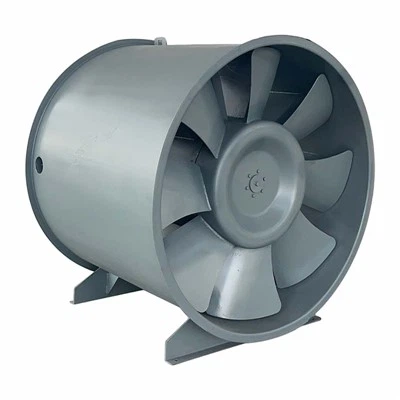
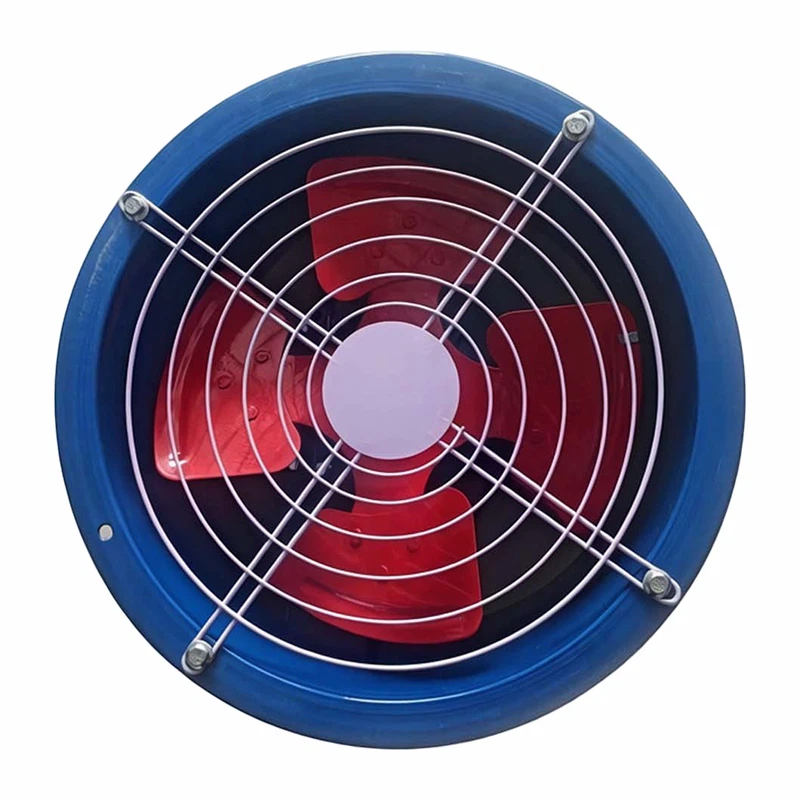
First off, let's understand what an axial flow fan is. An axial flow fan is a type of fan where the air flows parallel to the axis of the fan blades. These fans are commonly used in a variety of applications, from industrial ventilation to cooling systems in electronic devices. You can check out more about Fan Axial Flow on our website.
The power consumption of an axial flow fan depends on several key factors. One of the most significant factors is the size of the fan. Generally speaking, larger fans require more power to operate. This is because they have to move a greater volume of air, and that takes more energy. For example, a small axial flow fan used in a computer might only consume a few watts of power, while a large industrial axial flow fan could use several kilowatts.
Another important factor is the speed of the fan. The faster the fan spins, the more power it will consume. This is because the motor has to work harder to rotate the blades at a higher speed. However, increasing the speed also increases the airflow, so it's a trade - off. If you need a high volume of air movement, you'll likely have to accept a higher power consumption.
The design of the fan blades also plays a role in power consumption. Fans with well - designed blades are more efficient, meaning they can move more air with less power. Blades with an optimized shape and pitch can reduce turbulence and improve the overall performance of the fan. For instance, some of our Axial Flow Extractor Fan models are designed with advanced blade technology to minimize power usage while maximizing airflow.
The pressure requirements of the application are also crucial. If the fan has to work against a high pressure, such as in a duct system with a lot of resistance, it will need more power to overcome that resistance and move the air. On the other hand, if the application has low pressure requirements, the fan can operate with less power.
Now, let's talk about whether axial flow fans require a lot of power in general. It really depends on the specific application. In some cases, axial flow fans can be very energy - efficient. For example, in a well - designed ventilation system where the fan is properly sized and the air path is optimized, the power consumption can be quite reasonable. However, in applications where high airflow and high pressure are needed, such as in large industrial processes or heavy - duty ventilation systems, the power consumption can be significant.
Let's take a look at a real - world example. Suppose you're using an axial flow fan for a small workshop ventilation. If you choose a fan that is appropriately sized for the space and the air movement requirements, you'll find that it doesn't consume a huge amount of power. But if you try to use the same fan in a large factory with a complex duct system and high pressure requirements, it may struggle and end up using a lot more power than necessary.
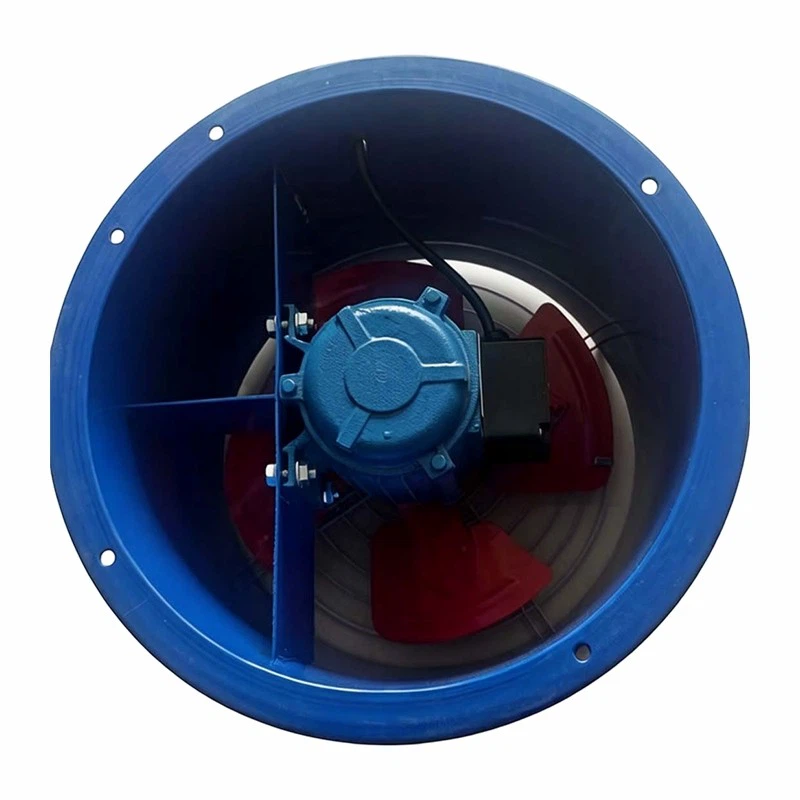
In addition to the factors mentioned above, the quality of the motor also affects power consumption. A high - quality motor is more efficient and can convert electrical energy into mechanical energy more effectively. At our company, we use top - of - the - line motors in our axial flow fans to ensure optimal performance and energy efficiency.
When it comes to choosing an axial flow fan, it's important to consider your specific needs. If you're looking for a fan for a home application, you might want to focus on energy - efficient models. For industrial applications, you'll need to balance the power consumption with the required airflow and pressure.
If you're in the market for an axial flow fan, you might also be interested in our Jet Induced Draft Fan. This type of fan is designed for specific applications where high - velocity air is needed, and it has its own unique power consumption characteristics.
In conclusion, whether axial flow fans require a lot of power depends on multiple factors. By carefully considering the size, speed, blade design, pressure requirements, and motor quality, you can choose an axial flow fan that meets your needs while keeping power consumption in check.
If you're interested in purchasing axial flow fans for your project, we'd love to have a chat with you. We can help you select the right fan based on your specific requirements and provide you with all the information you need. Just reach out to us and let's start the conversation about finding the perfect axial flow fan for you.
References:
- General knowledge of axial flow fan technology and engineering principles.
- Industry reports on fan performance and energy consumption.