As the core equipment of centralized air handling systems, modular air conditioning units play a crucial role in temperature and humidity control, fresh air supply, and air purification in commercial buildings, industrial plants, medical facilities, and rail transportation. Through modular design, they flexibly combine various functional sections to meet the personalized needs of different environments and processes, becoming an indispensable key unit in modern HVAC systems.
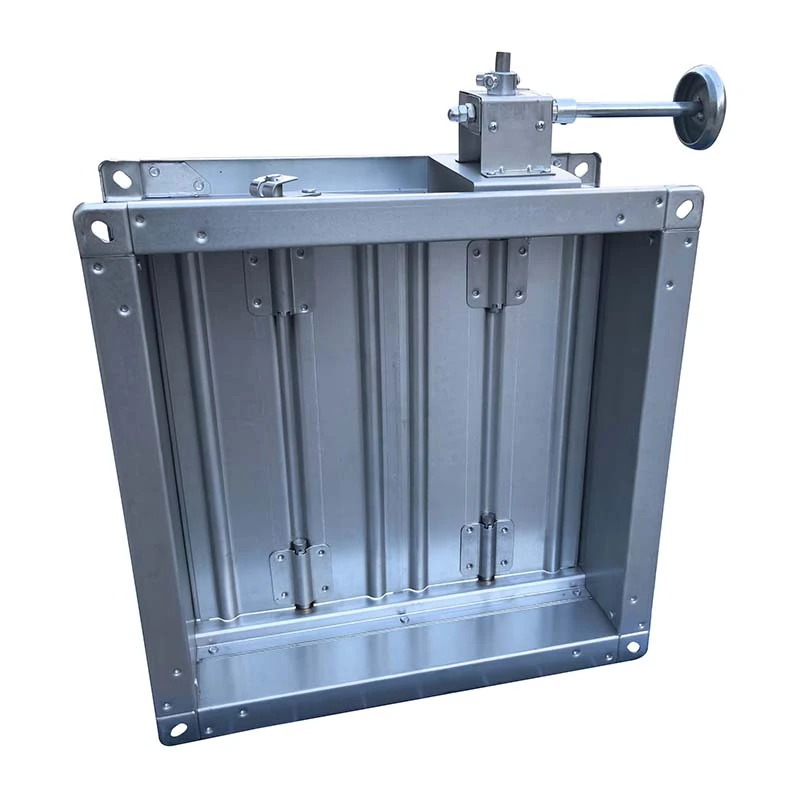
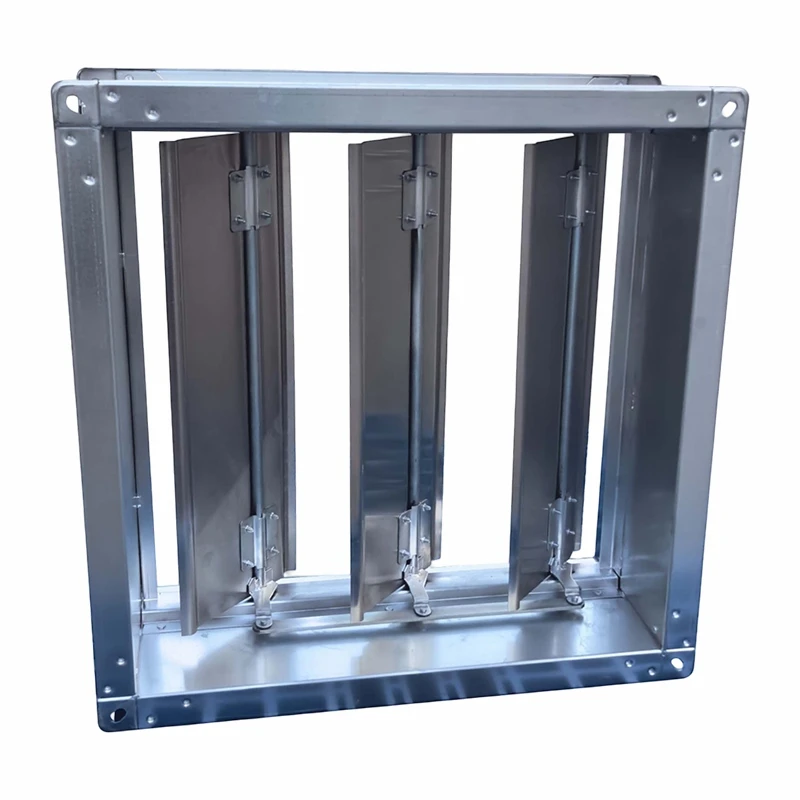
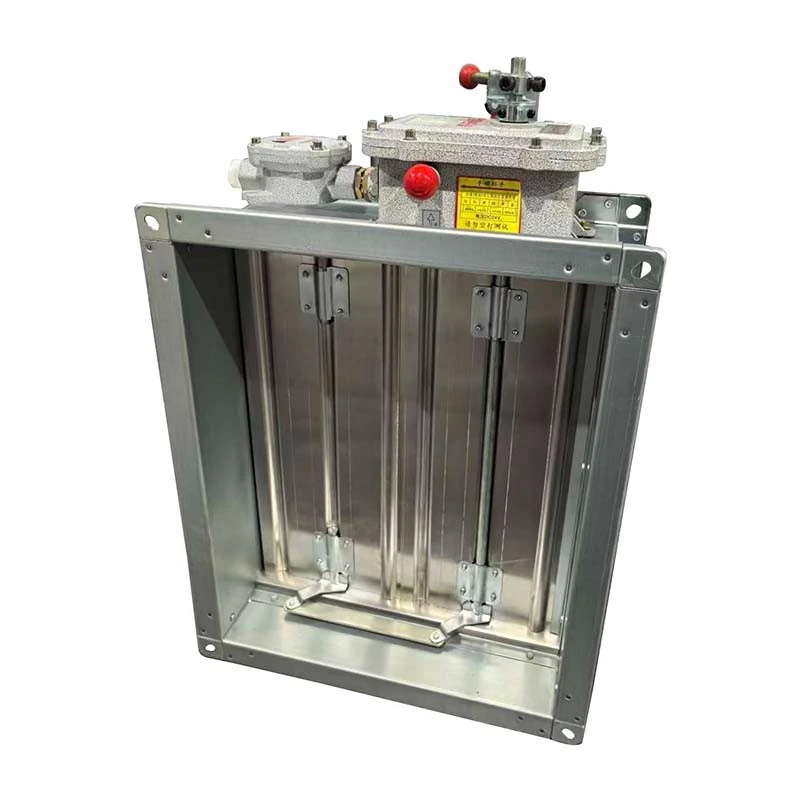
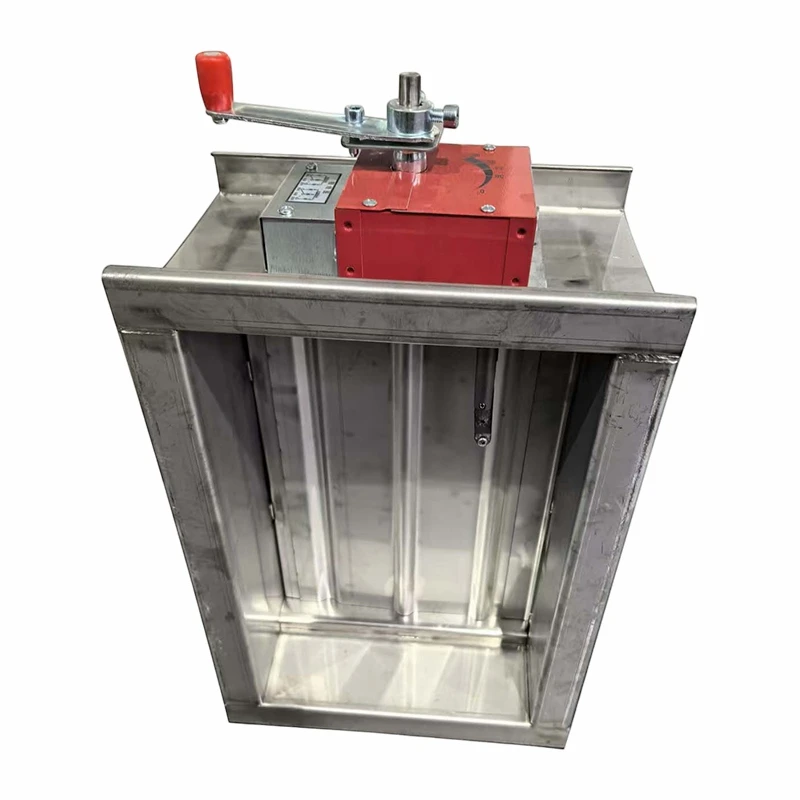
Structurally, modular air conditioning units typically consist of an air intake section, a filtration section, a cooling coil section, a heating section, a humidification section, a fan section, and an air outlet section. The air intake section guides outdoor or indoor return air into the system and is equipped with adjustable dampers to control the fresh air ratio. The filtration section can be equipped with pre-filters, medium-efficiency filters, or even high-efficiency filters to remove particulate matter, pollen, and some microorganisms according to air quality requirements. The cooling coil section and heating section achieve cooling or heating through chilled or hot water coils, electric heaters, etc., to ensure that the supply air parameters reach the set range. The humidification section uses steam or ultrasonic methods to regulate humidity, adapting to the needs of dry or high-humidity environments. The fan section provides the required air volume and pressure for the system and is the core power source of the entire unit.
A significant technical feature of modular air conditioning units is their high degree of customizability. The number, length, and arrangement of each functional section can be adjusted according to project requirements. For example, hospital operating rooms require high-efficiency filtration and strict temperature and humidity control, while electronics factories emphasize constant humidity and cleanliness. The unit's outer casing is typically made of high-quality steel plates or aluminum profiles, while the internal insulation layer uses flame-retardant polyurethane foam or rock wool to reduce heat loss and condensation risks. In applications with high corrosion resistance and hygiene requirements, stainless steel inner walls or antibacterial coatings can be selected to improve durability and air quality.
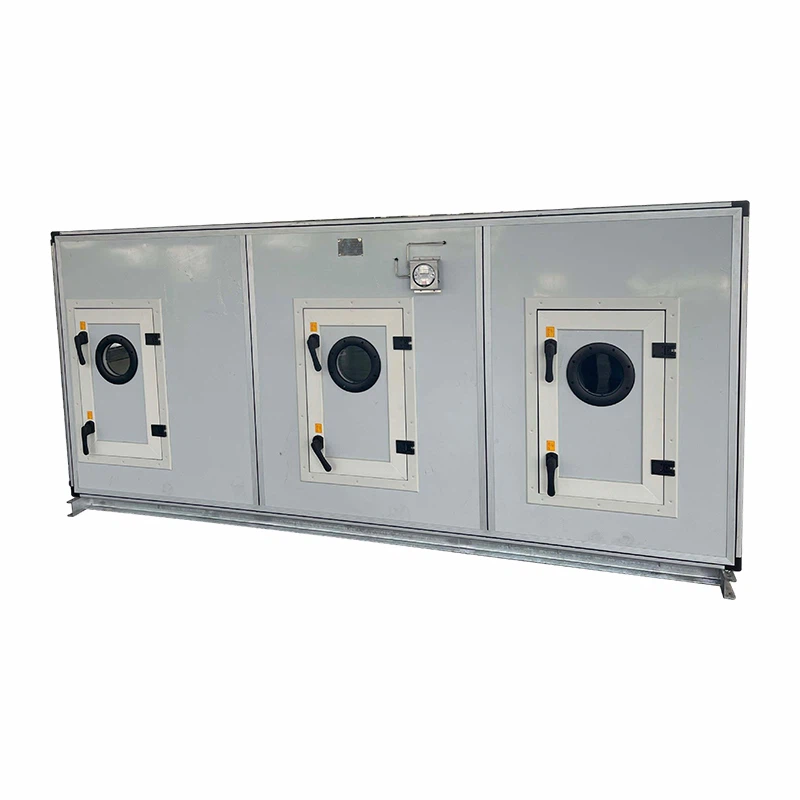
In terms of operational performance, modular air conditioning units emphasize energy efficiency and stability. By rationally configuring fans and heat exchange coils, combined with variable frequency control technology, they can maintain high-efficiency operation under partial load, reducing energy consumption. The intelligent control system can monitor temperature, humidity, pressure difference, and fan status in real time, achieving automatic adjustment and fault alarms, reducing manual intervention. For large systems, parallel operation of multiple units and zone control strategies can further improve overall adjustment accuracy and energy-saving effects.
Installation and maintenance are equally crucial for ensuring the long-term reliable operation of the unit. On-site assembly must ensure tight connections between all functional sections and proper sealing of duct interfaces to prevent air leakage and energy loss. Regular cleaning of filters and inspection of coil fins and condensate drainage systems can prevent blockages and bacterial growth. For critical components such as fan bearings and motors, lubrication and inspection should be performed according to the manufacturer's recommended schedule, and worn parts should be replaced promptly.
Overall, modular air conditioning units, with their modular, multifunctional, and highly adaptable technological advantages, provide systematic solutions for indoor air treatment in various locations. Driven by trends of energy conservation, environmental protection, and intelligentization, their design, manufacturing, and operation management will continue to be optimized, playing a greater role in improving building comfort and ensuring optimal production conditions.