The design principle of modular air conditioning units is based on systematic air handling and modular integration. It aims to provide flexibly configurable temperature and humidity control and air purification solutions according to different building spaces and process requirements. Its core design lies in the scientific arrangement of multiple functional sections according to airflow direction, and the precise control of air parameters through reasonable airflow organization, heat and humidity exchange, and control strategies.
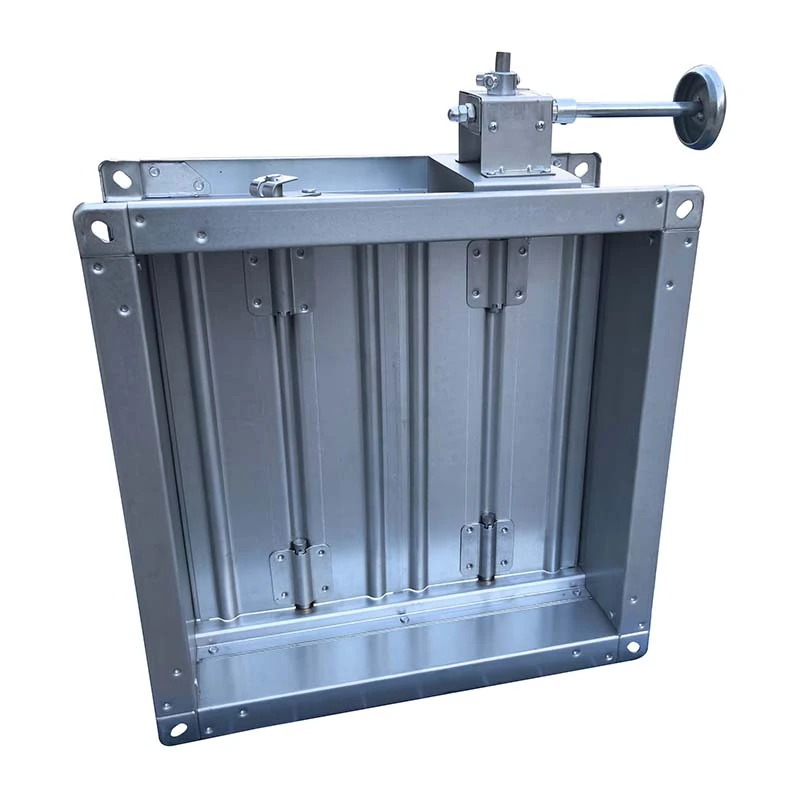
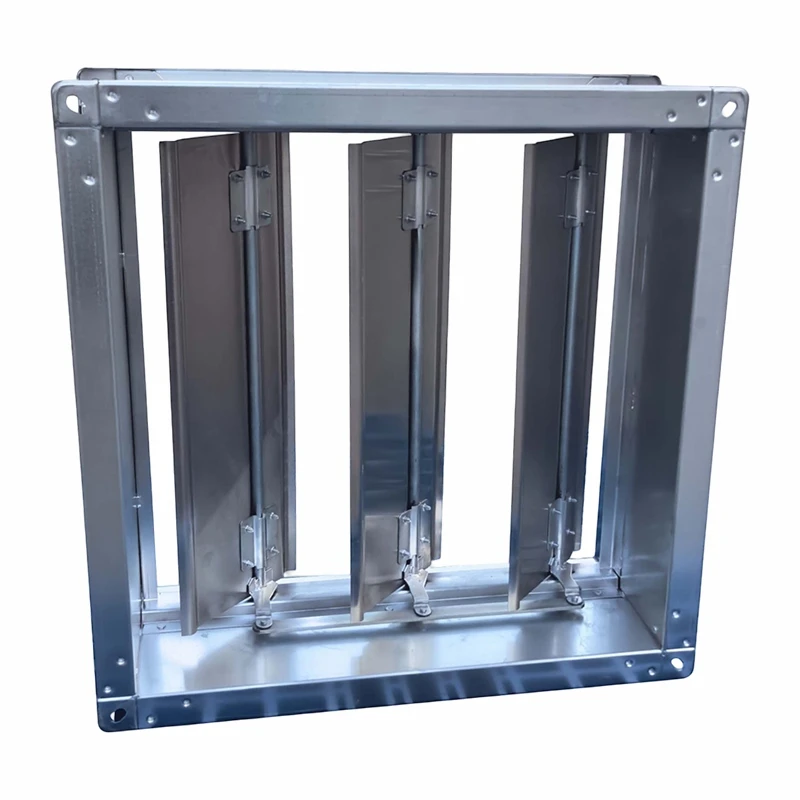
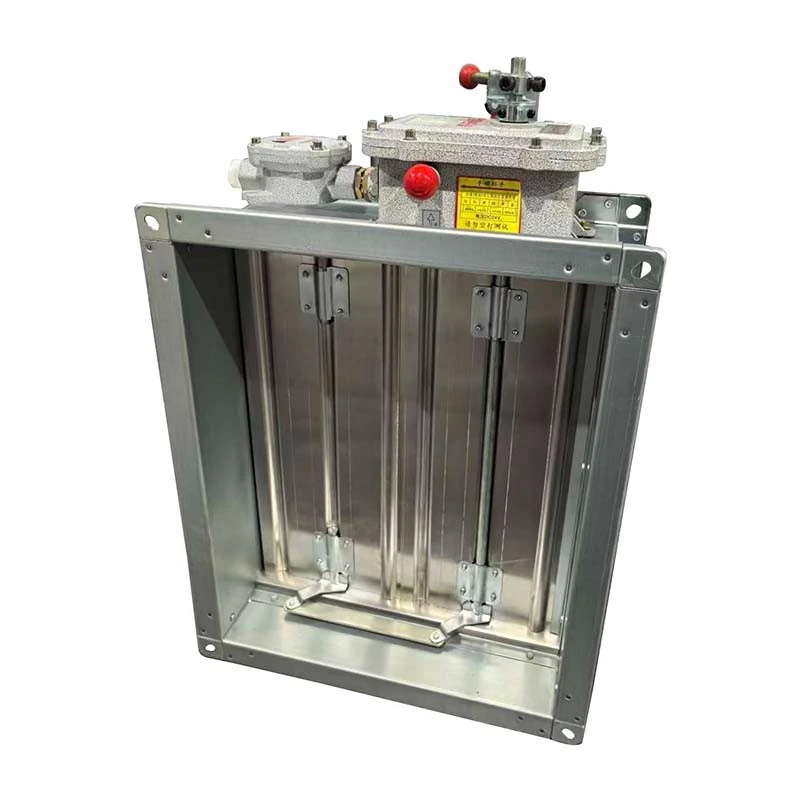
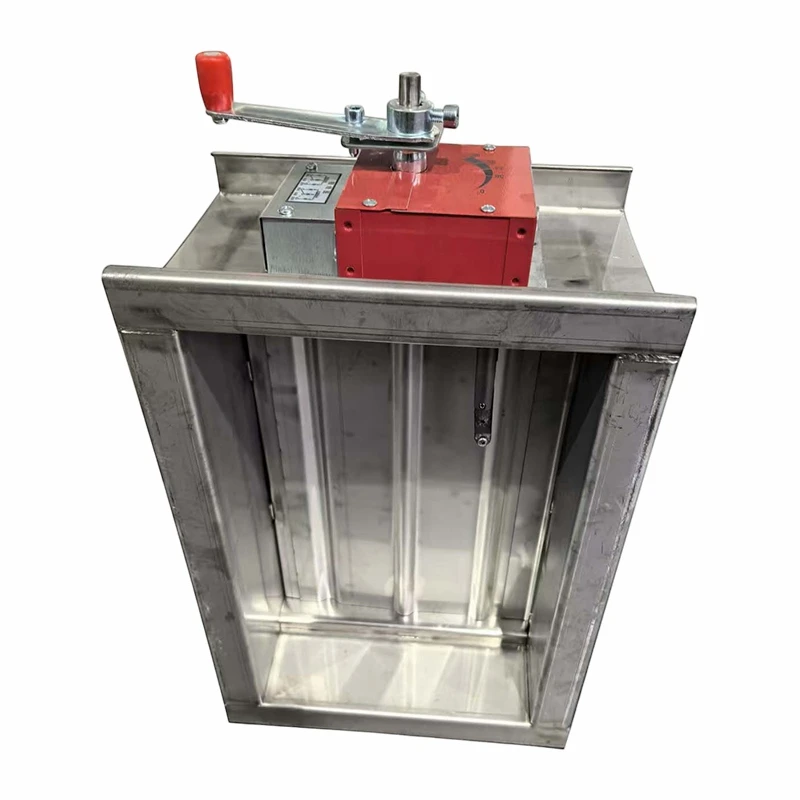
From the perspective of the air handling process, the unit design follows the basic logic of "air intake-filtration-heat and humidity treatment-air supply." The air intake section is responsible for mixing fresh air and return air, and adjusting the ratio through air valves to achieve a balance between indoor air quality and energy consumption. The filtration section is equipped with pre-filters, medium-efficiency filters, or high-efficiency filters according to environmental requirements, removing particulate matter, pollen, and some microorganisms layer by layer to ensure that the cleanliness of the supplied air meets standards. The heat and humidity treatment section is the core functional module. The surface cooler removes sensible and latent heat through chilled water to achieve cooling and dehumidification; the heater uses hot water or electric heating to compensate for temperature; the humidification section increases air humidity through steam or ultrasonic methods to adapt to different climates and process requirements. The fan section provides power to the system, ensuring that treated air is delivered to each terminal unit at the designed airflow rate.
Modular design is a key feature of modular air conditioning units. Each functional section is structurally relatively independent and can be added, removed, or rearranged according to project needs. For example, hospital operating rooms require additional high-efficiency filtration and strict temperature and humidity control sections, while electronics factories emphasize constant humidity and cleanliness. The outer shell uses high-insulation steel plates or aluminum profiles, and the interior is filled with flame-retardant polyurethane or rock wool to reduce heat loss and condensation risks. In applications with high corrosion resistance and hygiene requirements, the inner wall can be made of stainless steel or an antibacterial coating to improve durability and air quality safety.
Aerodynamic performance calculations and thermodynamic analysis are fundamental in the design process. The fan and heat exchange coils must be rationally matched based on airflow, air pressure, heating/cooling capacity, and system resistance to ensure efficient operation of the unit across all operating conditions. Simultaneously, the flexibility of system adjustment must be considered, utilizing variable frequency technology, multi-valve interlocking, and zone control to achieve on-demand air supply and energy-saving operation. The integration of an intelligent control system enables real-time monitoring and automatic adjustment of temperature, humidity, pressure differential, and energy consumption parameters, improving system stability and maintainability.
Furthermore, the design must also consider ease of installation and maintenance. Standard flanges or quick-connect interfaces are used between functional sections for convenient on-site assembly and subsequent maintenance. The rational arrangement of inspection doors and viewing windows facilitates daily inspections and troubleshooting. In the context of increasingly stringent environmental and energy-saving requirements, the design principles also incorporate concepts such as low leakage, high energy efficiency, and the application of renewable materials, ensuring the unit remains economical and environmentally friendly throughout its entire life cycle.
In summary, the design principle of modular air conditioning units is based on the air handling process, achieving customizable, efficient, and reliable air environment regulation through modular integration, precise heat and humidity calculations, and intelligent control strategies. This principle not only ensures the full utilization of unit performance but also provides solid technical support for the optimization of HVAC systems in different locations.