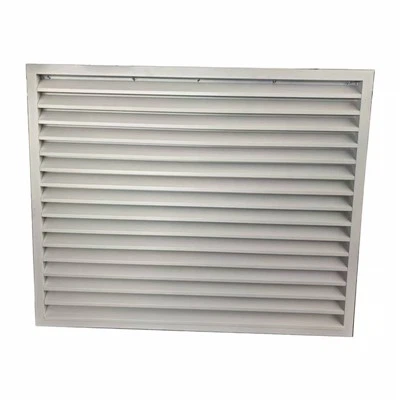

Ventilation is a crucial aspect of maintaining a healthy environment in animal shelters. Sidewall exhaust systems play a vital role in this process, ensuring proper air circulation and removal of harmful gases, odors, and moisture. As a sidewall exhaust supplier, I've seen firsthand the importance of getting the ventilation needs right. In this blog, I'll dive into what those ventilation needs are for sidewall exhaust in animal shelters.
Why Ventilation Matters in Animal Shelters
Animals in shelters produce a lot of waste, which emits ammonia and other noxious gases. If these gases aren't removed, they can cause respiratory problems for the animals and the shelter staff. Plus, a poorly ventilated shelter can become a breeding ground for bacteria and viruses, increasing the risk of diseases spreading.
Moisture is another issue. High humidity levels can lead to mold growth, which is not only bad for the animals' health but also damages the shelter's infrastructure. Good ventilation helps to control humidity by removing excess moisture from the air.
Factors Affecting Ventilation Needs
Animal Density
The number of animals in the shelter is a major factor. More animals mean more waste, more heat, and more moisture. So, a shelter with a high animal density will require a more powerful sidewall exhaust system to keep the air fresh.
Shelter Size
The size of the shelter also matters. Larger shelters need more ventilation to ensure that all areas receive fresh air. A small exhaust system might not be enough to effectively ventilate a large space.
Animal Species
Different animals have different ventilation requirements. For example, birds produce a lot of dust, so shelters housing birds need ventilation systems that can effectively remove dust particles. On the other hand, some animals are more sensitive to temperature changes, so the ventilation system needs to be able to maintain a stable temperature.
Types of Sidewall Exhaust Systems
Axial Flow Fans
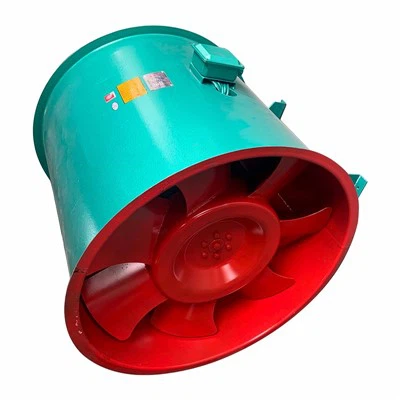
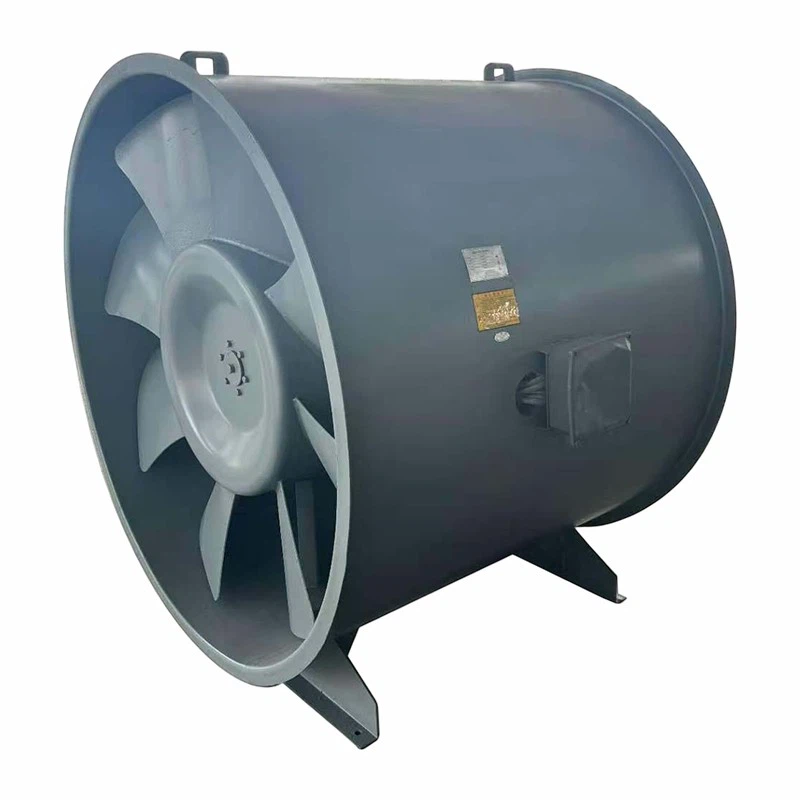
Axial flow fans are a popular choice for sidewall exhaust in animal shelters. These fans move air in a straight line, parallel to the axis of the fan. They are efficient at moving large volumes of air and are relatively easy to install. You can check out more about axial flow fans in Axial Flow Fans.
High Temp Duct Fan
In some cases, especially in shelters where there are heat sources like heating systems or large numbers of animals generating heat, a high temp duct fan might be necessary. These fans are designed to handle high temperatures and can effectively exhaust hot air from the shelter. You can find more information about high temp duct fans High Temp Duct Fan.
Axial Flow Extractor Fan
Axial flow extractor fans are similar to axial flow fans but are specifically designed for extracting air from a space. They are great for removing stale air, odors, and moisture from animal shelters. You can learn more about axial flow extractor fans Axial Flow Extractor Fan.

Calculating Ventilation Requirements
To determine the ventilation needs for a sidewall exhaust system in an animal shelter, you need to consider the factors mentioned above. A common method is to calculate the air changes per hour (ACH). This is the number of times the entire volume of air in the shelter is replaced in one hour.
The ACH required depends on the type of animals and the shelter conditions. For example, a shelter housing dogs might need an ACH of 6 - 10, while a shelter for small rodents might need an ACH of 10 - 15.
To calculate the ACH, you first need to determine the volume of the shelter (length x width x height). Then, you multiply the volume by the desired ACH to get the required airflow in cubic feet per minute (CFM).
For example, if a shelter has a volume of 10,000 cubic feet and you want an ACH of 8, the required airflow would be:
10,000 cubic feet x 8 ACH / 60 minutes = 1333.33 CFM
Installation and Maintenance
Proper installation of the sidewall exhaust system is crucial for its effectiveness. The fans should be installed at the right height and in the right location to ensure optimal air circulation. They should also be properly sealed to prevent air leakage.
Regular maintenance is also important. The fans should be cleaned regularly to remove dust and debris, and the belts and motors should be checked for wear and tear. A well-maintained exhaust system will last longer and work more efficiently.
Conclusion
Getting the ventilation needs right for sidewall exhaust in animal shelters is essential for the health and well-being of the animals and the shelter staff. By considering factors like animal density, shelter size, and animal species, and choosing the right type of exhaust system, you can create a healthy and comfortable environment in the shelter.
If you're in the market for a sidewall exhaust system for your animal shelter, I'd love to talk to you. We have a wide range of products to meet your specific needs. Contact us to start a conversation about your ventilation requirements and how we can help.
References
- "Ventilation in Animal Housing" - Agricultural Handbook No. 658, United States Department of Agriculture
- "Animal Shelter Design and Construction" - American Society of Agricultural and Biological Engineers