
Can a fan axial flow be used in a marine environment? Well, that's a question I get asked a lot as a supplier of fan axial flow products. In this blog, I'm gonna break down whether these fans are a good fit for marine settings, and share some insights based on my experience in the industry.
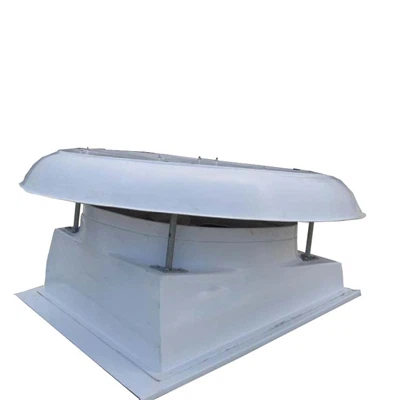
First off, let's talk about what an axial flow fan is. Axial flow fans work by moving air parallel to the axis of the fan blades. They're known for their high flow rates and relatively low pressure capabilities. These fans are commonly used in a variety of applications, from industrial ventilation to cooling systems. You can check out our Axial Flow Roof Fan for an example of how these fans are designed for specific uses.
Now, when it comes to the marine environment, there are some unique challenges. The marine environment is harsh, with high humidity, saltwater exposure, and strong winds. These conditions can take a toll on equipment, and fans are no exception.
One of the biggest concerns in a marine setting is corrosion. Saltwater is extremely corrosive, and if a fan isn't properly protected, it can quickly deteriorate. That's why it's crucial to use fans made from materials that can withstand the corrosive effects of saltwater. Stainless steel and aluminum are popular choices for marine applications because they're resistant to rust and corrosion.
Another challenge is the need for reliable performance in tough conditions. Marine vessels need fans that can operate continuously, even in rough seas. Axial flow fans are well-suited for this because they're designed to provide a steady flow of air. They can help with ventilation in engine rooms, cargo holds, and living quarters, ensuring a comfortable and safe environment for the crew.
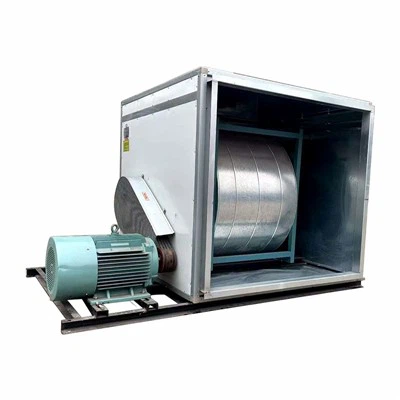
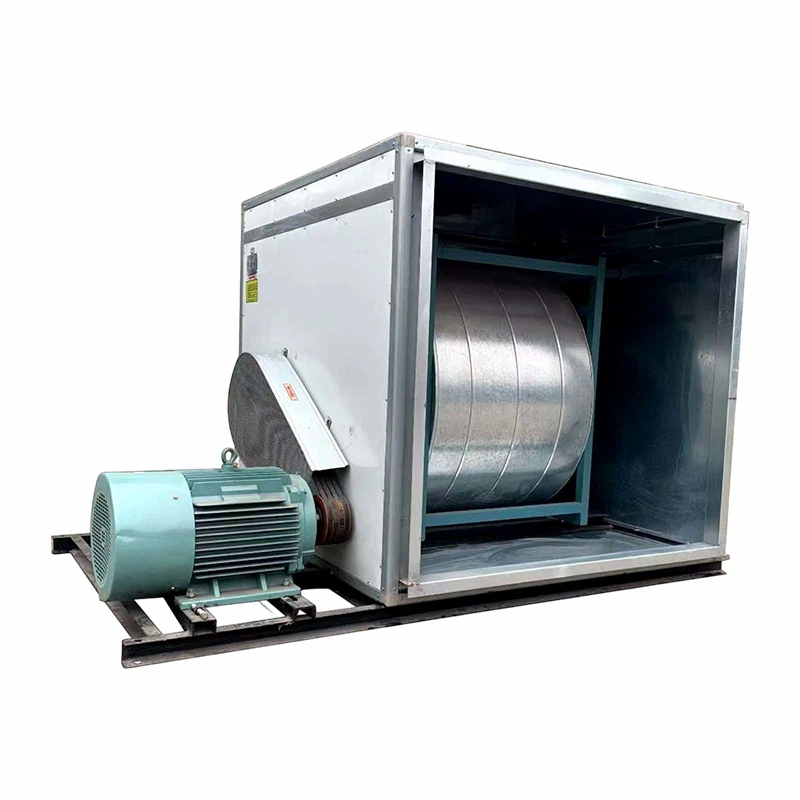
But it's not just about the physical environment. Marine applications also have strict safety and regulatory requirements. Fans used on ships need to meet certain standards to ensure they're safe and reliable. For example, they need to be able to withstand high temperatures and pressures, and they need to be designed to prevent the spread of fire. Our Centrifugal Fire Smoke Exhaust Fan is an example of a fan that's designed to meet these safety requirements.
So, can an axial flow fan be used in a marine environment? The answer is yes, but with some considerations. When choosing an axial flow fan for a marine application, it's important to look for a fan that's specifically designed for the marine environment. This means it should be made from corrosion-resistant materials, have a reliable motor, and meet all the necessary safety standards.
In addition to corrosion and safety, another factor to consider is the noise level. In a marine environment, noise can be a major issue, especially in living quarters and control rooms. Axial flow fans can be relatively quiet, but it's important to choose a fan that's designed to minimize noise. This can make a big difference in the comfort of the crew.
Another aspect to think about is the maintenance of the fan. In a marine environment, it's important to have easy access to the fan for maintenance and repairs. This means choosing a fan that's designed with easy-to-remove parts and a simple maintenance schedule. Regular maintenance can help extend the life of the fan and ensure it continues to operate efficiently.
Now, let's talk about some of the benefits of using an axial flow fan in a marine environment. One of the main benefits is the high flow rate. Axial flow fans can move a large volume of air quickly, which is important for ventilation in large spaces like cargo holds and engine rooms. This can help prevent the buildup of heat, moisture, and harmful gases, creating a safer and more comfortable environment for the crew.
Another benefit is the energy efficiency of axial flow fans. Compared to other types of fans, axial flow fans can provide a high flow rate with relatively low energy consumption. This can help reduce the overall energy costs of the vessel, which is important for both economic and environmental reasons.
In addition to ventilation, axial flow fans can also be used for other purposes in a marine environment. For example, they can be used to cool electronic equipment, such as computers and navigation systems. This can help prevent overheating and ensure the reliable operation of these critical systems.
So, if you're in the market for a fan for your marine application, I'd recommend considering an axial flow fan. But make sure you choose a fan that's specifically designed for the marine environment and meets all the necessary safety and performance requirements.
If you're interested in learning more about our axial flow fans or have any questions about using them in a marine environment, feel free to reach out. We're here to help you find the right fan for your needs. Whether you're looking for a fan for a small boat or a large commercial vessel, we have the expertise and products to meet your requirements.
In conclusion, axial flow fans can be a great choice for a marine environment, but it's important to choose the right fan and take the necessary precautions to ensure its reliable operation. With the right fan and proper maintenance, you can enjoy the benefits of efficient ventilation and a comfortable environment on your vessel.
If you're ready to discuss your specific needs and explore our range of axial flow fans, don't hesitate to get in touch. We're looking forward to working with you to find the perfect solution for your marine application.
References
- General knowledge and experience in the fan industry
- Industry standards and regulations for marine equipment