In the design and construction of ventilation and air conditioning systems, there are many actionable techniques in the selection, placement, and commissioning of air vents. These techniques, based on a deep understanding of aerodynamic characteristics and the distillation of practical engineering experience, can effectively optimize airflow distribution, reduce energy consumption, and improve the comfort and stability of the indoor environment.
Firstly, in the air vent selection stage, the type of air vent should be precisely matched according to the height and functional attributes of the space. For public spaces with a ceiling height exceeding 5 meters, swirl vents or nozzles can be selected to form an attached jet, effectively suppressing the rising of hot air and reducing temperature stratification. For low-ceilinged office or residential spaces, strip or grille vents are preferable, achieving uniform airflow with a low outlet velocity and avoiding direct airflow that could cause discomfort. In areas with high noise control requirements, vents with air guide channels or sound-absorbing structures should be prioritized, with sufficient installation distance reserved to reduce airflow noise.
Placement techniques emphasize "avoiding weaknesses and maximizing strengths, and uniform coverage." Air supply vents should be avoided directly facing doors, windows, and exhaust vents to prevent airflow short-circuiting and reduced effective ventilation. Near heat sources, areas with high population density, or pollutant generation points, vent sizes should be appropriately increased or densified to enhance local airflow disturbance and pollutant removal capabilities. For rectangular spaces, diagonal or staggered vent layouts can be used; for irregularly shaped spaces, computational fluid dynamics (CFD) simulations are recommended to determine the optimal outlet angle and location, ensuring a uniform airflow field.
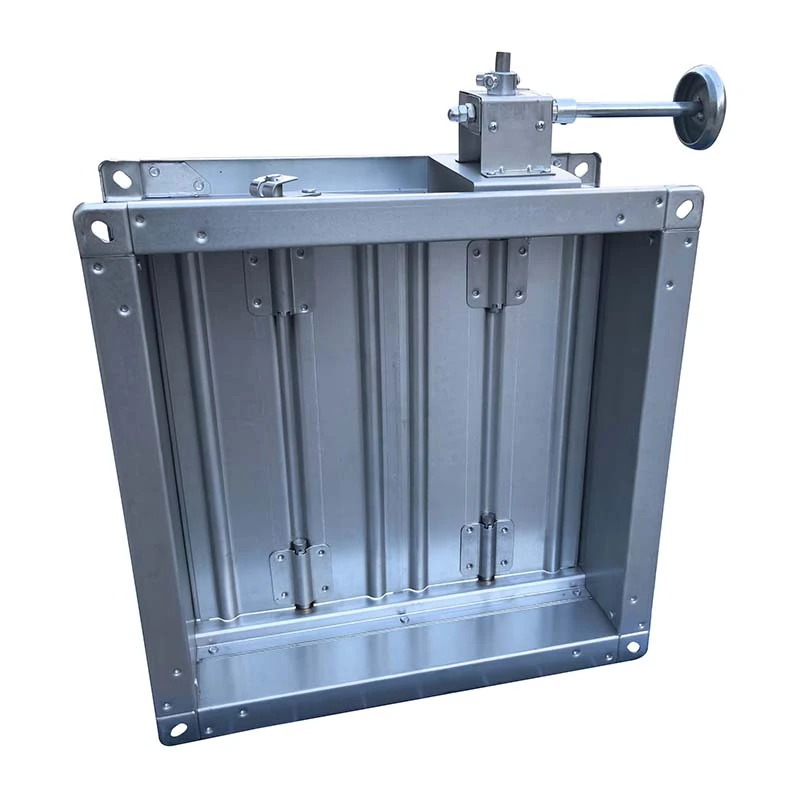
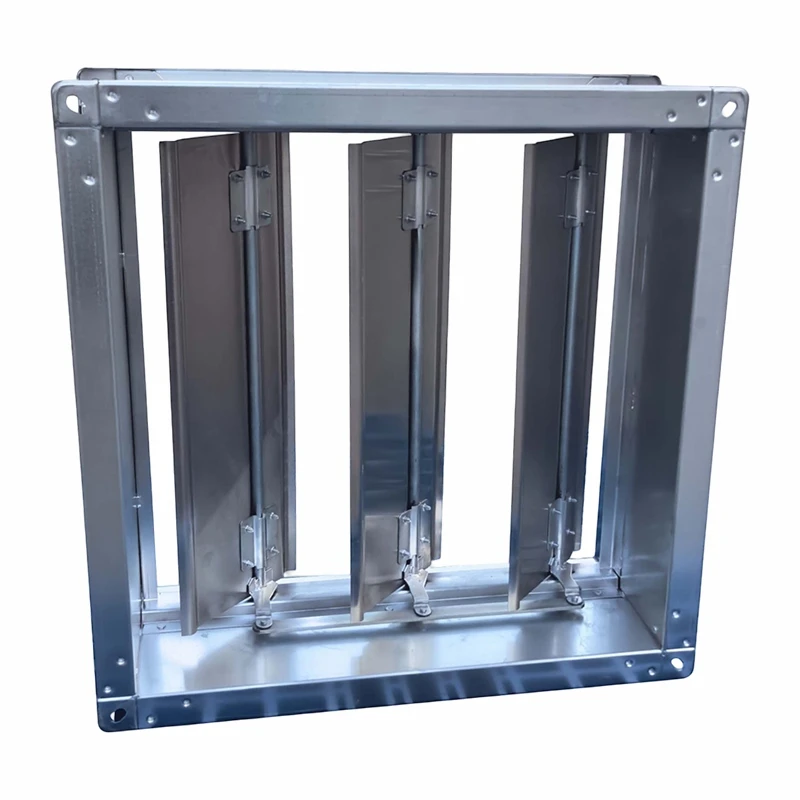
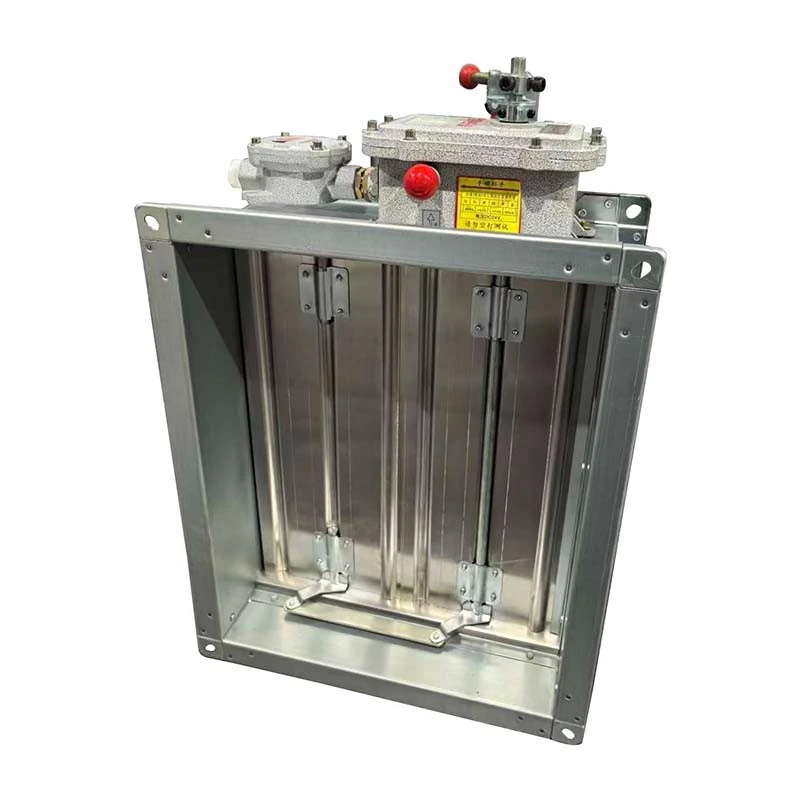
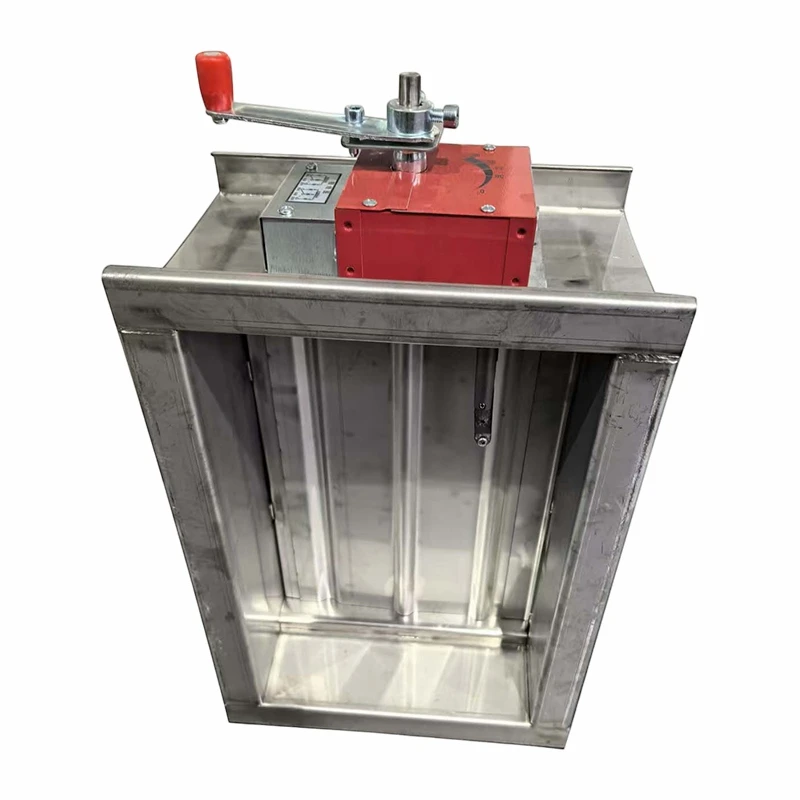
Adjustment and linkage techniques are key to improving system adaptability. Fixed-opening vents are insufficient to meet fluctuating load demands. Adjustable blades or electrically operated airflow control valves can dynamically adjust the outlet angle and airflow based on season, time of day, and number of occupants. In smart building projects, integrating vents with the building automation system enables closed-loop control of temperature, humidity, CO₂ concentration, and airflow, significantly reducing energy consumption while maintaining comfort.
Maintenance techniques primarily focus on accessibility for cleaning and maintenance. Vent structures should be as simple and removable as possible to facilitate regular removal of dust and microorganisms, maintaining unobstructed airflow and air quality. In high-humidity or corrosive environments, weather-resistant materials and anti-corrosion coatings should be selected, and the condition of fasteners and blades should be checked regularly to prevent performance degradation due to rust or loosening.
By comprehensively applying the above selection, layout, adjustment, and maintenance techniques, system energy efficiency and service life can be improved while ensuring effective airflow organization. The refined application of vent techniques is an important way to combine theoretical design with on-site practice and a powerful support for achieving high-quality indoor environments and green building goals.