As the core equipment of a centralized air handling system, the standardized operation of modular air conditioning units directly affects indoor air quality, temperature and humidity control accuracy, and system energy efficiency. To ensure the safe, stable, and efficient operation of the unit, operators must be familiar with the entire process of pre-start preparation, operation monitoring, mode switching, and shutdown maintenance.
Before starting, check the connection status of each functional section of the unit and the condition of peripheral equipment. Confirm that the power supply is normal and the voltage fluctuation is within the allowable range; check that the fan impeller is clean and free of foreign objects; verify that the filter differential pressure gauge reading is not excessive, and that there are no leaks in the surface cooler and heater coils; ensure that the opening settings of the fresh air and return air dampers meet the requirements of the current operating mode. For low-temperature environments in winter, the preheating function should be activated in advance to prevent the coils from freezing and cracking. After completing the above checks, the fan, chilled/hot water pump, and heating/humidifying equipment can be started sequentially according to the procedures.
During operation, closely monitor the temperature, humidity, air volume, and differential pressure data displayed on the control panel. Based on actual load changes, the fan speed can be adjusted using a frequency converter to achieve dynamic airflow matching, avoiding overcurrent and energy waste. The outlet water temperature of the cooling and heating sections must be maintained within the design range to prevent condensation due to excessively low water temperature or discomfort due to excessively high water temperature. The humidification system should have its water level and quality checked regularly to prevent scale buildup and nozzle clogging. If the unit is equipped with multiple filtration sections, the filter media should be replaced or cleaned promptly according to the differential pressure alarm prompt to maintain air handling efficiency.

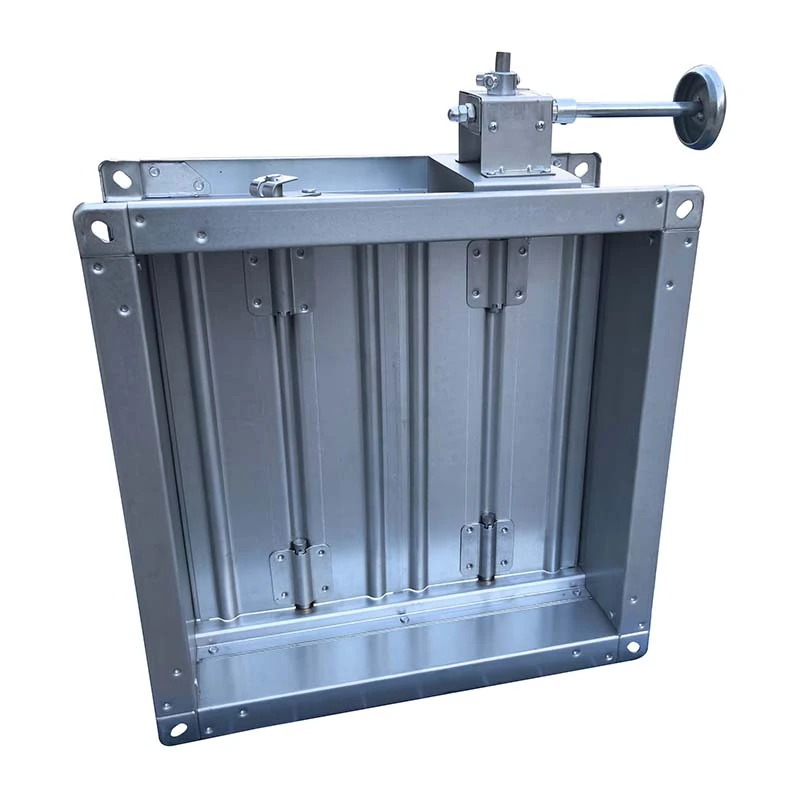
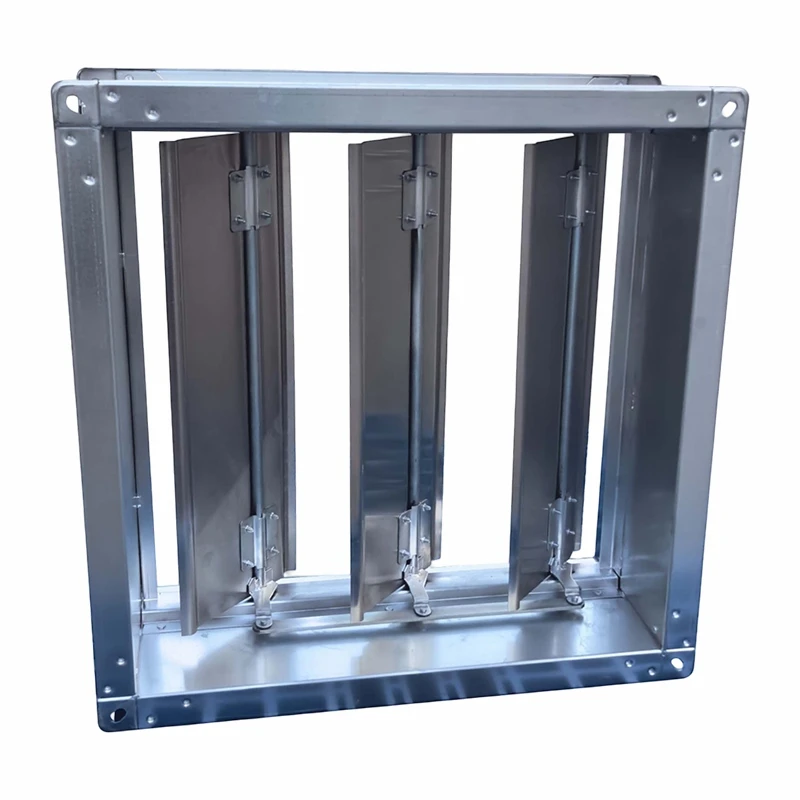
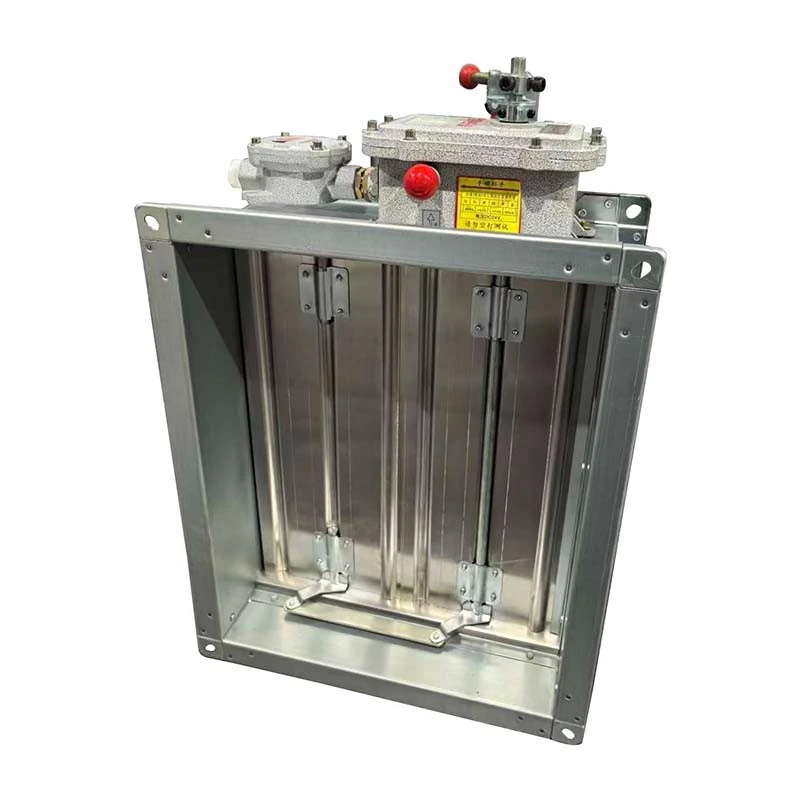
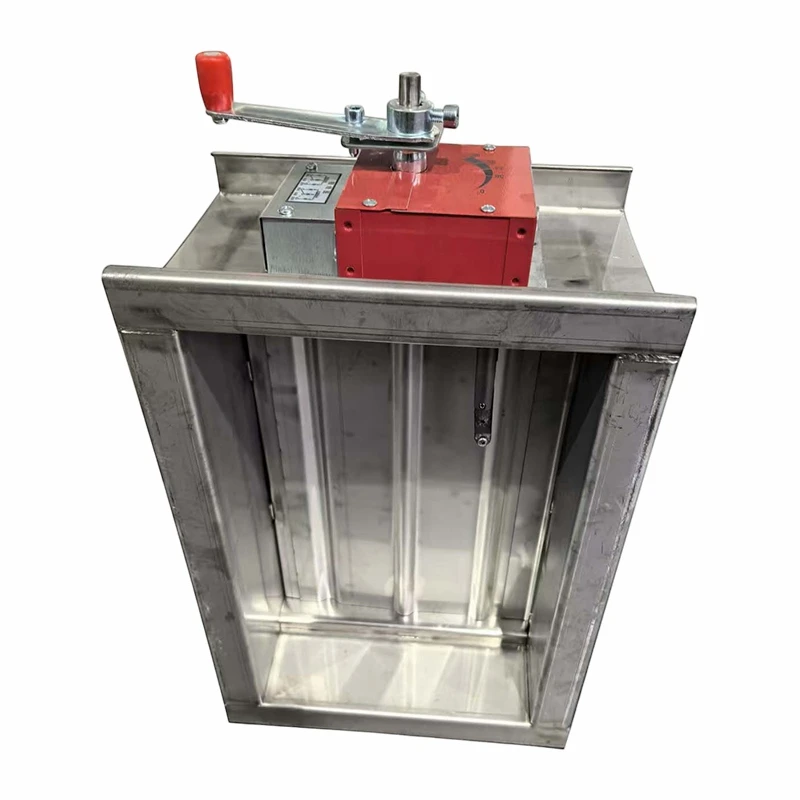
Mode switching is a crucial aspect of operating a combined air conditioning unit. When switching from 100% fresh air mode to return air mode, the fresh air valve should be gradually closed while the return air valve is opened simultaneously to maintain a stable total airflow and prevent fluctuations in indoor temperature and humidity caused by sudden airflow changes. During transitional seasons, 100% fresh air can be used for natural cooling; in this case, enhanced fresh air filtration and sterilization measures are necessary to ensure the introduced air quality meets standards. For zoned control systems, the supply air parameters should be adjusted independently according to the needs of each zone to avoid energy waste.
Shutdown operations must also follow established procedures. First, stop supplying both heating and cooling sources. Wait until the coil temperature approaches room temperature before shutting down the fan to prevent condensation and corrosion caused by excessive temperature differences. During long-term shutdowns, keep the unit's interior dry, close the fresh air inlet and cover it with a dust filter, and regularly check the electrical control cabinet for moisture protection. Before seasonal commissioning, conduct a comprehensive overhaul and functional testing to confirm that all sensors, actuators, and safety protection devices are functioning correctly.
Throughout the entire operation process, maintain a detailed operation log, including start-up and shutdown times, parameter changes, fault alarms, and maintenance procedures, to provide a basis for subsequent optimization and fault analysis. Operators must receive regular training to familiarize themselves with the unit's structural principles and emergency response procedures, ensuring rapid response in abnormal conditions and guaranteeing continuous and stable system operation.
Scientific and standardized operating methods not only extend the service life of the modular air conditioning unit but also maximize its air handling and energy-saving potential, providing stable and healthy air conditions for the building environment.