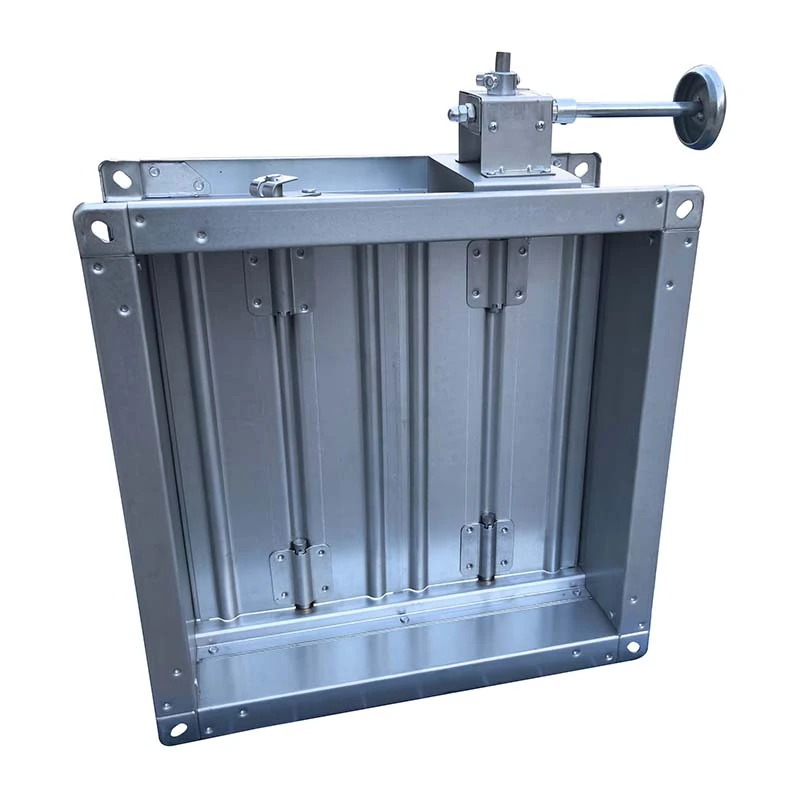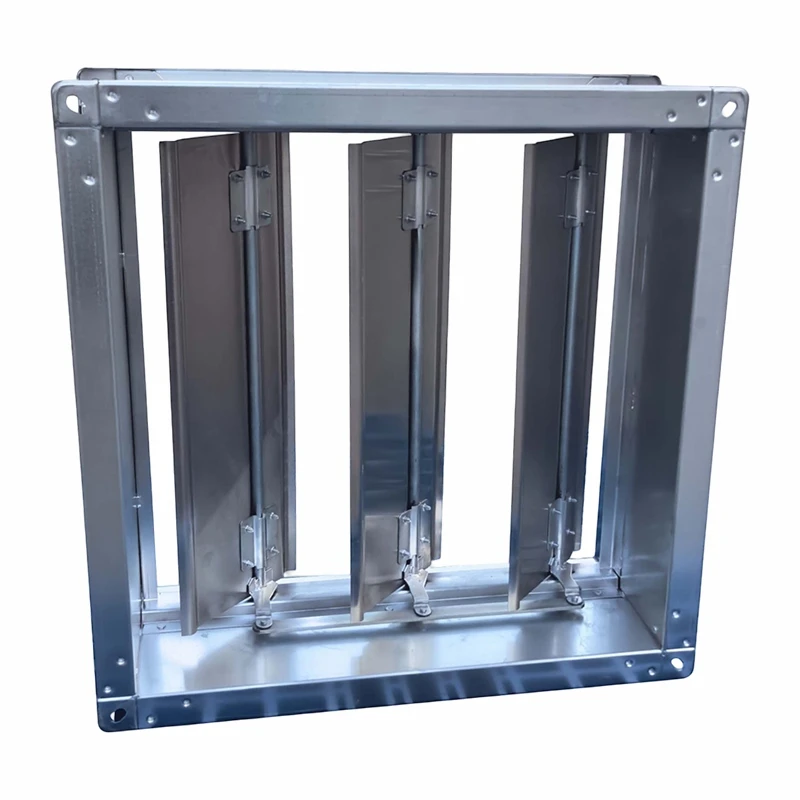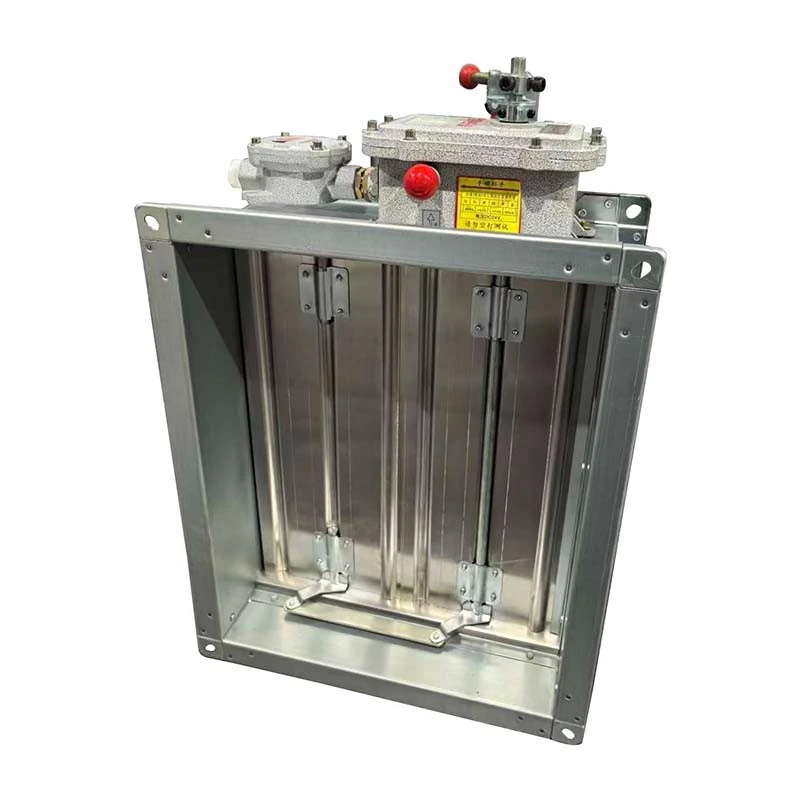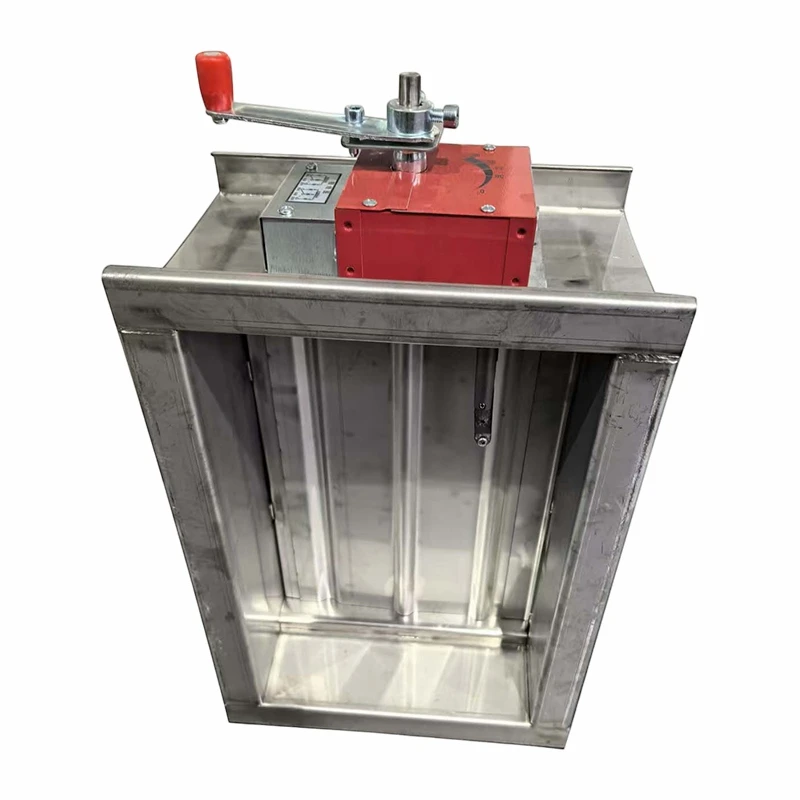
Micro-perforated plate silencers are widely used in ventilation and air conditioning systems, gas turbine intake and exhaust systems, and industrial pipeline noise control due to their simple structure, high temperature resistance, corrosion resistance, and wide-band noise reduction characteristics. To ensure they achieve the expected noise reduction effect in actual operating conditions and meet engineering design parameters, a rigorous and scientific testing process is indispensable. This article will discuss the main testing steps for micro-perforated plate silencers.
The first step in the testing process is the appearance quality inspection. Operators must verify the silencer's dimensions, plate thickness, and aperture parameters against the design drawings. The focus is on checking whether the perforation rate of the micro-perforated plate meets design requirements, whether the hole arrangement is uniform and neat, and whether there are any blockages or deformations. Simultaneously, the quality of the shell welds must be checked to ensure there are no incomplete welds, false welds, or cracks, and the flange interface flatness should meet the installation sealing standards. This basic inspection is a prerequisite for ensuring that the silencer's physical form meets engineering application requirements.
Then, the critical acoustic performance testing phase begins. Tests are typically conducted in impedance tube or semi-anechoic chamber environments, with test frequency bands set according to national standards. During testing, both ends of the silencer must be sealed to the sound source and receiving pipes to eliminate environmental noise interference. A specific frequency sound wave is generated using a signal generator, and the incident and transmitted sound pressures are measured to calculate the transmission loss. A qualified micro-perforated plate silencer should exhibit a stable and high insertion loss curve within its design frequency band, especially demonstrating good resonant sound absorption characteristics in the low-frequency range. If the measured data deviates from the design value by more than the allowable tolerance, the cause must be analyzed and the structure optimized.
Aerodynamic performance testing follows. This step mainly evaluates the silencer's impact on airflow resistance, specifically by measuring its pressure loss at rated airflow. The test system consists of a fan, flow control valve, micromanometer, and pressure ring. The airflow velocity is controlled by adjusting the valve, and the static pressure difference at different flow velocities is recorded. Because micro-perforated plate silencers do not contain sound-absorbing material, their flow resistance is usually low, but it must be ensured that the pressure loss does not significantly affect the energy consumption and airflow distribution of the ventilation system. For large-size silencers, flow velocity distribution uniformity verification is also required to prevent regenerated noise caused by localized eddies.
Finally, environmental adaptability verification is conducted for specific application scenarios. High-temperature silencers require thermal aging tests in a constant-temperature chamber to test their structural stability and acoustic performance degradation rate under sustained high temperatures. Corrosion-resistant products undergo salt spray tests to simulate harsh environments and verify the durability of the surface treatment layer. All test data must be recorded in detail, analyzed, and compared to form a test report, which serves as the basis for product acceptance and engineering selection.
In summary, the testing process for micro-perforated plate silencers covers the entire process from geometric parameter verification to acoustic and aerodynamic performance validation. Strict adherence to this process not only ensures product quality but also provides crucial technical support for achieving precise noise control and improving system energy efficiency. Industry practitioners should emphasize the standardization of testing procedures and the traceability of data to jointly promote the advancement and application of silencer technology.